In an era where digital connectivity shapes young minds, the surge in teen SNS addiction has sparked intense scrutiny. This post delves into the adolescent brain impact from platforms like Instagram and YouTube, unraveling the roots of teen SNS addiction while examining ongoing social media litigation that could redefine tech accountability.
The Rise of Teen SNS Addiction: Understanding the Background and Adolescent Brain Impact
The conversation around teen SNS addiction gained momentum with revelations from internal documents and whistleblowers, highlighting how social media platforms exploit vulnerabilities in the developing adolescent brain. Recent lawsuits, including a landmark trial in Los Angeles Superior Court that began on February 9, 2026, accuse Meta (Instagram’s parent) and Google (YouTube’s owner) of designing addictive features that harm youth mental health. At the center is a 20-year-old plaintiff known as K.G.M., who claims her early exposure to these apps led to severe depression and suicidal thoughts, exacerbating teen SNS addiction through mechanisms like infinite scrolling and algorithmic recommendations.
This case stems from broader concerns raised by over 40 U.S. state attorneys general in lawsuits filed against Meta since 2023, alleging the company prioritized profits over safety. Internal Meta documents reportedly show executives were aware of teen SNS addiction risks but ignored them. For instance, one leaked email from a former Instagram employee noted users “binging on IG so much they can’t feel the reward anymore,” illustrating how adolescent brain impact manifests as diminished dopamine responses over time. This background underscores a pattern: platforms engineered to hook users during critical developmental stages, where the adolescent brain is highly sensitive to social rewards.
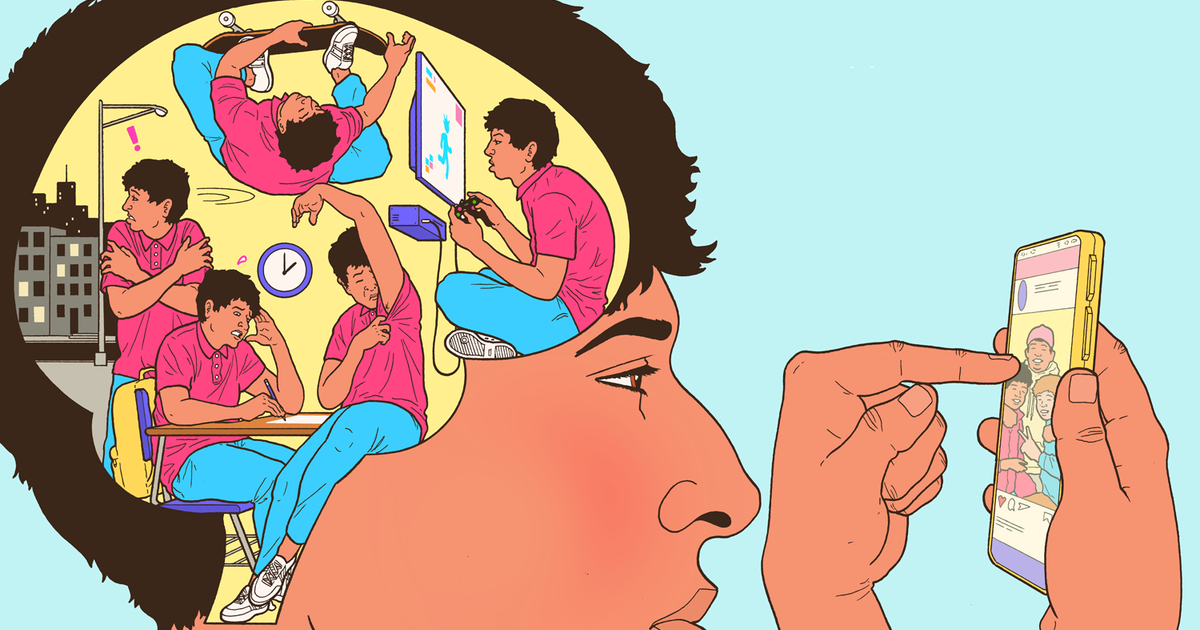
(Image Description: An illustrative depiction of a teenager’s brain influenced by social media, showing various activities like gaming and scrolling inside a head profile, highlighting the adolescent brain impact from digital overstimulation. magazine.columbia.edu)
Interestingly, a quirky episode from Meta’s history involves CEO Mark Zuckerberg reportedly dismissing warnings about child safety in a 2018 internal memo, stating that informing parents about teen content would “ruin the product from the start.” This anecdote, revealed in court filings, adds a layer of irony to the teen SNS addiction narrative, as it shows how corporate decisions directly fuel adolescent brain impact.
Unpacking the Causes: How Teen SNS Addiction Alters Adolescent Brain Impact
Teen SNS addiction isn’t accidental; it’s rooted in neurobiology and platform design. During adolescence (ages 10-19), the brain undergoes significant changes, particularly in the ventral striatum, where dopamine and oxytocin receptors multiply, making teens crave social validation. Features like “likes,” notifications, and endless feeds trigger dopamine rushes, similar to slot machines, fostering dependency and intensifying adolescent brain impact.
Research from sources like the U.S. Surgeon General’s 2023 advisory links frequent social media use to brain alterations in areas controlling emotions, impulse, and rewards. For example, habitual checking can rewire pathways, leading to poor sleep, anxiety, and depression—key symptoms of teen SNS addiction. A study in JAMA Pediatrics found that kids who check social media often show heightened sensitivity to social punishments, amplifying adolescent brain impact and creating a cycle of compulsive use.
One fascinating episode comes from a 2022 experiment where teens abstained from social media for a week; many reported “withdrawal” symptoms like irritability, akin to quitting caffeine. This real-world insight highlights how algorithms personalize content to maximize engagement, exploiting the adolescent brain’s vulnerability to peer approval. Causes also include psychological factors: low self-esteem drives excessive use, while infinite scrolling prevents natural stopping points, deepening teen SNS addiction.

(Image Description: A cartoon of a tired teen in bed at 3 AM, surrounded by glowing app notifications from Instagram, TikTok, and others, symbolizing the relentless pull of teen SNS addiction on sleep and mental health. channelnewsasia.com)
Another light-hearted yet telling story involves a viral 2024 meme where a teen “breaks up” with their phone via a dramatic text message, only to “get back together” minutes later—mirroring the addictive loop that affects adolescent brain impact.
Echoes of the Past: Similar Cases Fueling Social Media Litigation Over Teen SNS Addiction
Social media litigation isn’t new; it echoes tobacco and opioid lawsuits where companies faced accountability for addictive products. Similar cases include over 1,500 lawsuits consolidated in multidistrict litigation (MDL No. 3047) against Meta, Google, TikTok, and Snap, alleging platforms cause teen SNS addiction and adolescent brain impact through defective designs.
In a parallel suit, New Mexico’s Attorney General sued Meta in December 2023 for enabling child exploitation via addictive features, with trials starting February 2026. Snap and TikTok settled with K.G.M. for undisclosed amounts just before her trial, avoiding scrutiny but highlighting the pressure of social media litigation. Another notable case: Massachusetts’ 2023 lawsuit against Meta claims infinite scrolling addicts children, mirroring adolescent brain impact concerns.
A memorable episode from earlier litigation involves Frances Haugen, a Meta whistleblower, whose 2021 testimony revealed internal research showing Instagram worsens body image for one in three teen girls—fueling teen SNS addiction lawsuits. This parallels cases against TikTok, where states like Utah sued in 2023 for promoting harmful challenges that exploit adolescent brain impact.
These precedents show a growing wave: school districts and parents suing for costs related to mental health crises, with social media litigation potentially leading to billions in damages if juries side against tech giants.

(Image Description: A diagram illustrating the habit loop of social media use, with cues like phone buzzes leading to rewards like likes, forming addictions that heighten adolescent brain impact. healthywithin.com)
Tracking the Trial: Progress in Social Media Litigation and Adolescent Brain Impact Revelations
The ongoing Los Angeles trial against Meta and Google marks a pivotal moment in social media litigation. Opening statements on February 9, 2026, saw plaintiff lawyer Mark Lanier argue that platforms are “digital casinos” addicting children’s brains deliberately. He cited internal documents showing Meta knew of teen SNS addiction risks but proceeded for profits.
Defendants countered: YouTube’s lawyer claimed it’s not social media and doesn’t rewire brains, while Meta emphasized safety features like parental controls. The trial, delayed briefly due to illness, is expected to last weeks, with witnesses including experts on adolescent brain impact. As a bellwether case, its outcome could influence thousands of similar social media litigation suits.
Progress includes settlements by Snap and TikTok, signaling vulnerability. Key evidence: leaked emails and studies linking features to dopamine alterations, underscoring teen SNS addiction.
An amusing courtroom moment? Lanier’s dramatic slot machine demonstration to explain infinite scrolling, which reportedly elicited chuckles but drove home the adolescent brain impact point.
(Image Description: A close-up of a finger tapping the Instagram app icon on a smartphone screen, representing the entry point to platforms involved in social media litigation. pbs.org)
Looking Ahead: Future Outlook for Teen SNS Addiction and Social Media Litigation
The future of social media litigation hinges on this trial’s verdict. If plaintiffs win, it could open floodgates for damages, forcing reforms like age verification and algorithm transparency to mitigate adolescent brain impact. Experts predict settlements in the billions, similar to tobacco cases, with Meta and Google potentially overhauling features to curb teen SNS addiction.
Broader implications: increased regulation, as seen in proposed U.S. bills for child protections. However, if defendants prevail, invoking Section 230 immunity, it might stall momentum against teen SNS addiction. Outlook remains optimistic for change, with growing public awareness—polls show 48% of teens view social media negatively.
A fun forward-looking episode: Imagine a world where apps include “addiction alerts” like cigarette warnings, a concept floated in expert testimonies during social media litigation.

(Image Description: Silhouettes of hands holding phones against a Meta logo backdrop, evoking the corporate scale of social media litigation battles. aljazeera.com)
In conclusion, teen SNS addiction’s grip on the adolescent brain demands urgent attention through social media litigation. As trials unfold, they promise accountability and safeguards for future generations.
Sources:
- PBS News on Landmark Trial
- CNN on Instagram and YouTube Trial
- Reuters on Meta and YouTube Design
- Al Jazeera on Landmark Cases
- Social Media Victims Law Center on Meta Lawsuits
- NewYork-Presbyterian on Social Media Effects
- Yale Medicine on Teen Mental Health
- Mayo Clinic on Teens and Social Media
- APA on Young Brains and Social Media
- HHS Surgeon General Advisory
- NBC News on Trial Arguments
- Robert King Law Firm on Updates
- ABC News on Trial Start
- CNN on Buried Research
- Politico on Chatbots Implications
- Yahoo on Massive Liability
- IBJ on Addiction Claims
- Rolling Stone on Trial Accountability
- Euronews on Exploitation Claims
- CalMatters on Courtrooms