As we mark Apple’s 50th anniversary in 2026, the story of Apple Innovation stands as one of the most remarkable chapters in modern business and technology. Founded on April 1, 1976, in a modest Los Altos garage, Apple has evolved from a scrappy startup into a global powerhouse valued at over $3 trillion, powering more than 2.5 billion active devices worldwide. This journey embodies Apple Innovation at its core—blending visionary design, engineering excellence, and relentless pursuit of simplicity to transform how humans interact with technology. From the Apple I circuit board to the seamless ecosystem of today, Apple Innovation has consistently challenged conventions, redefined industries, and empowered individuals to achieve the extraordinary.
The Dawn of Apple Innovation: Humble Origins and Founding Visionaries
Apple Innovation truly began in the Jobs family garage, where Steve Jobs and Steve Wozniak—two young visionaries in their early 20s—teamed up with Ronald Wayne to launch Apple Computer Company. Wozniak, the brilliant engineer, designed the Apple I, a bare circuit board sold for $666.66 (a price he chose simply for its repeating digits). Jobs handled marketing and sales, famously selling his Volkswagen minibus to fund parts while securing 30 days’ credit from suppliers. Wayne provided early business guidance and even sketched the first logo, but just 11 days after incorporation, he sold his 10% stake back to the duo for a mere $800—fearing financial risk. Today, that decision is legendary, as those shares would be worth billions.
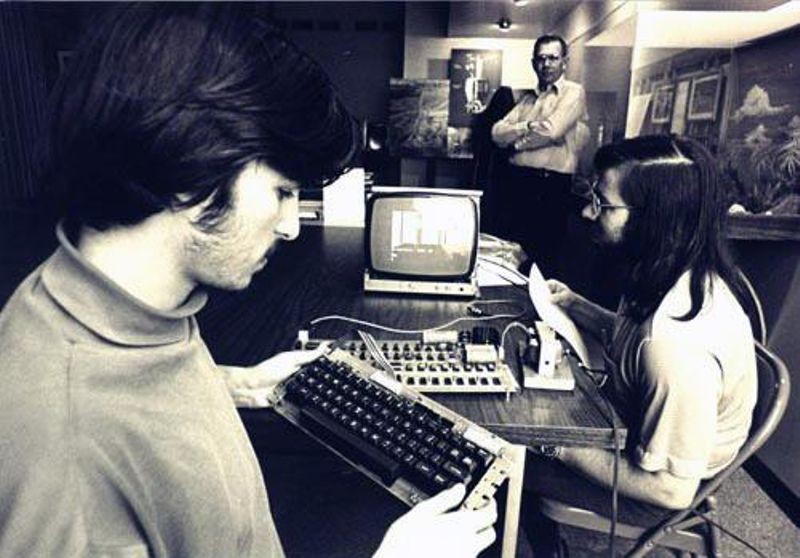
Image: Steve Jobs and Steve Wozniak collaborating on early Apple prototypes in the historic garage setting (Computer History Museum).
A fun early episode highlights the duo’s ingenuity: Before Apple, Jobs and Wozniak built and sold “blue boxes”—illegal devices that hacked phone lines for free long-distance calls. Wozniak engineered them, Jobs sold them door-to-door, and one close call involved police mistaking the device for a synthesizer during a traffic stop. This “ethical hacking” spirit foreshadowed Apple Innovation‘s rebellious ethos. Wozniak even pitched the personal computer idea to his employer Hewlett-Packard five times—only to be rejected—pushing the pair to bet everything on their garage venture.
By 1977, with funding from former Intel executive Mike Markkula, Apple released the Apple II—the first mass-market personal computer with color graphics and expansion slots. It exploded in popularity, especially after VisiCalc (the first spreadsheet) turned it into a business essential. Apple went public in 1980, creating instant millionaires and cementing Apple Innovation as a cultural force.

Image: One of the earliest Apple I computers, the foundational product that launched the company (NPR historical archive).
Steve Jobs’ Visionary Leadership: The Heart of Apple Innovation
No figure embodies Apple Innovation more than Steve Jobs. As co-founder and later returning CEO in 1997 after a 12-year exile, Jobs infused the company with an obsessive focus on design, user experience, and “thinking different.” His 1984 Super Bowl ad—directed by Ridley Scott and inspired by George Orwell’s 1984—portrayed the Macintosh as a liberator from conformity, launching one of advertising’s most iconic moments.

Image: Iconic scene from Apple’s 1984 Super Bowl commercial, symbolizing rebellion against the status quo (Smithsonian Lemelson Center archive).
Jobs’ return rescued Apple from near-bankruptcy. He streamlined the product line, launched the colorful iMac (1998), and introduced the iPod (2001)—a portable music revolution. A delightful anecdote: Jobs pushed the iPod team relentlessly for perfection, once demanding the scroll wheel feel “just right.” The iPod’s success ironically paved the way for its own obsolescence when Jobs greenlit the iPhone in 2007, famously declaring it a phone, iPod, and internet communicator in one. During the legendary keynote, he unveiled the device with theatrical flair, captivating the world.
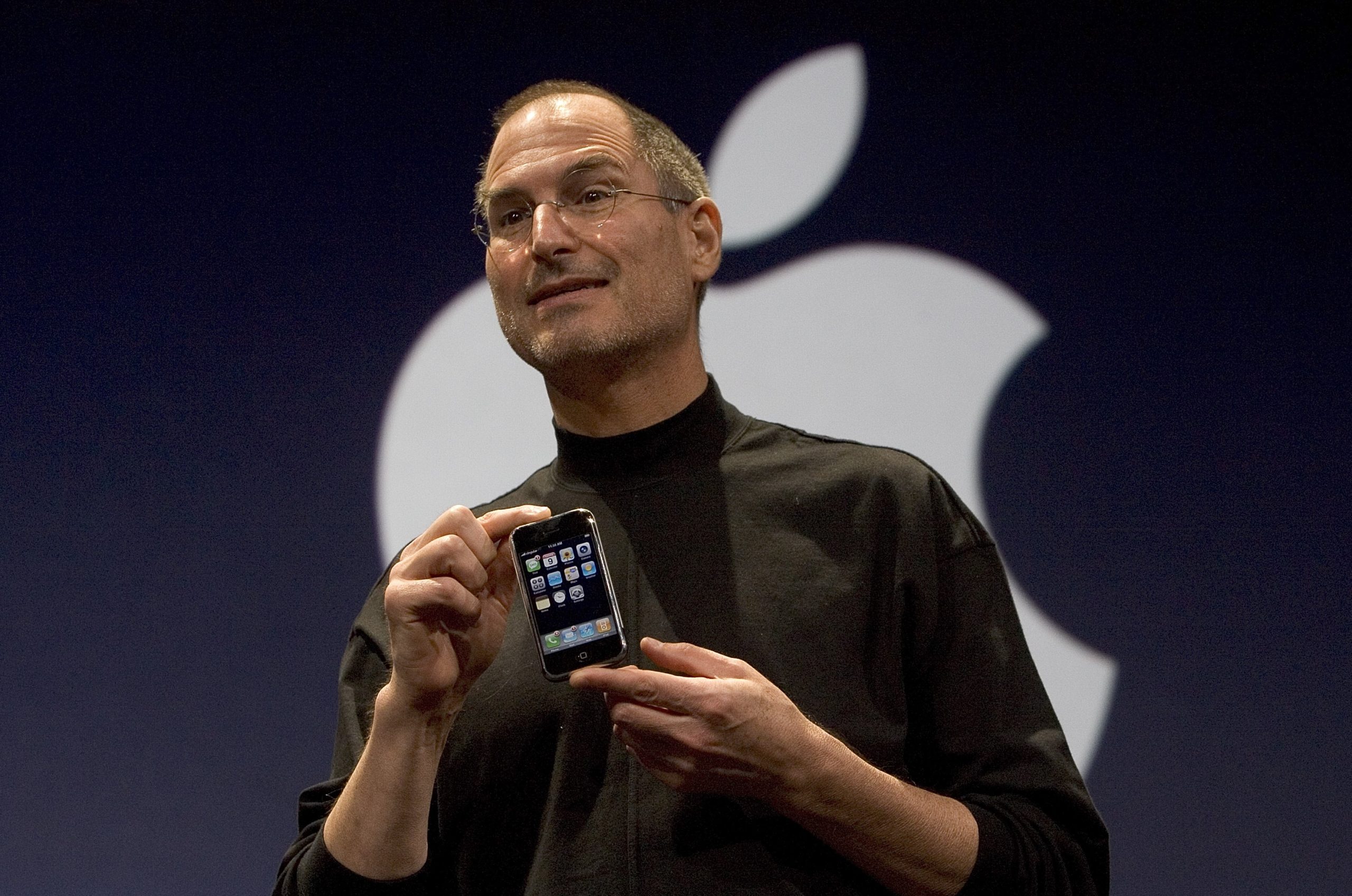
Image: Steve Jobs holding the original iPhone during the historic 2007 keynote presentation (Time Magazine archive).
Jobs’ philosophy—”great things in business are never done by one person; they’re done by a team”—drove Apple Innovation forward, though he stepped down in 2011 due to health issues and passed away shortly after. His legacy remains the soul of the brand.
Steve Wozniak’s Engineering Genius: The Technical Backbone of Apple Innovation
While Jobs was the showman, Steve Wozniak (“Woz”) was the technical wizard whose designs powered early Apple Innovation. He hand-built the Apple I and II, creating affordable, user-friendly machines that democratized computing. Wozniak’s generosity shone through too—he gifted stock to overlooked early employees. Even today, he reflects on the garage days with humility, noting no one foresaw Apple’s scale. His role underscores how Apple Innovation thrives on complementary talents: visionary ambition meets engineering brilliance.
Tim Cook’s Leadership: Scaling Apple Innovation for the Modern Era
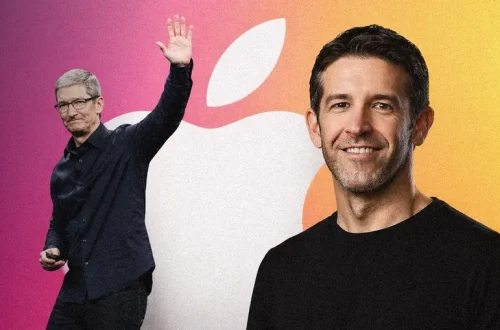
Since succeeding Jobs as CEO in 2011, Tim Cook has masterfully scaled Apple Innovation while expanding into services, wearables, and health tech. A supply-chain expert who joined Apple in 1998, Cook oversaw operational excellence that turned the company into the world’s first to hit $1 trillion, $2 trillion, and $3 trillion market caps. Under his watch, Apple launched the Apple Watch (2015), AirPods, and services like Apple Music and the App Store—now a massive revenue driver.
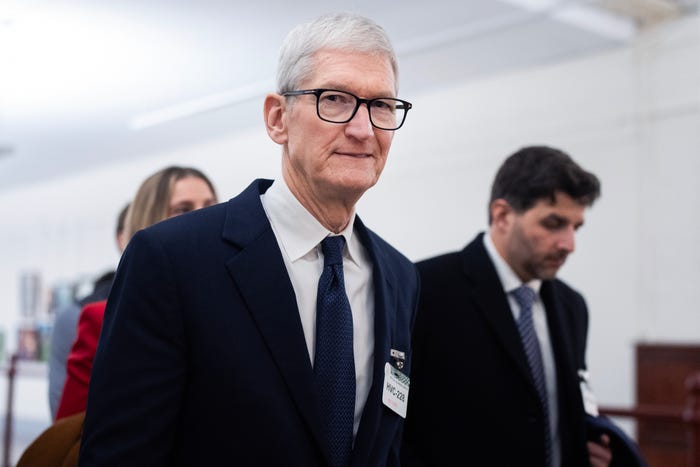
Image: Tim Cook, Apple’s current CEO, leading the company into its next era of growth and innovation (Business Insider archive).
Cook’s steady hand has sustained Apple Innovation amid challenges, emphasizing privacy, sustainability, and ecosystem integration. In his 2026 anniversary letter, he reflected on five decades of progress, celebrating the teams behind products that “put powerful tools into people’s hands.”
Milestones of Growth: How Apple Innovation Reshaped the World
Apple Innovation accelerated with the Macintosh (1984), the first mainstream computer with a graphical user interface and mouse. The iPhone (2007) revolutionized mobile computing, while the iPad (2010) created the tablet category. By 2018, Apple became a trillion-dollar company; today, its ecosystem spans hardware, software, and services generating hundreds of billions annually.
A quirky tradition? Product launch screens often show 9:41 a.m.—a nod to keynote timing, where the big reveal hits around the 40-minute mark for dramatic effect.
The Future of Apple Innovation: AI, AR, and Beyond
Looking ahead in 2026 and beyond, Apple Intelligence—Apple’s AI framework—integrates seamlessly across devices, enhancing privacy-focused features like advanced Siri and on-device processing. The Apple Vision Pro (2024) marked entry into spatial computing, with upgrades and lighter models rumored. Industry whispers point to AI-powered smart glasses by 2027, potentially blending audio, cameras, and contextual AI for everyday use—evolving Apple Innovation into augmented reality.
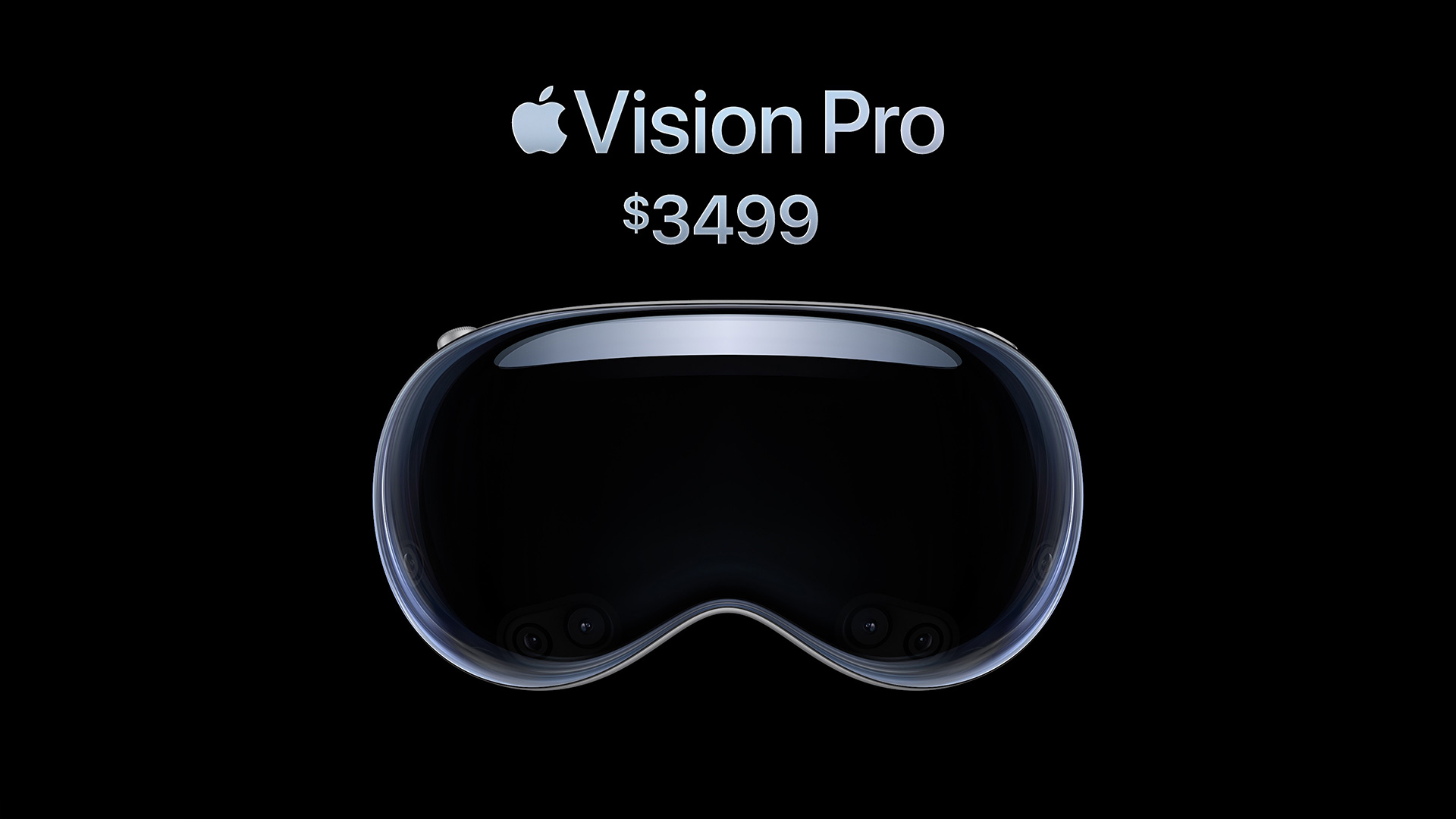
Image: Apple Vision Pro, the pioneering spatial computing headset ushering in the next frontier of Apple Innovation (Apple official imagery).
Apple Park, the futuristic Cupertino campus Jobs envisioned, symbolizes this forward momentum—a ring-shaped monument to creativity.

Image: Aerial view of Apple Park, the innovative headquarters embodying the company’s design philosophy and future vision (Gold Bond Building archive).
Apple Innovation continues to evolve, driven by a belief that technology should be personal, intuitive, and transformative.
In celebrating 50 years, Apple’s story reminds us that true progress stems from those who dare to think different—building not just products, but experiences that enrich lives.
Sources and Further Reading
All clickable links verified as of April 2026:
- Apple’s Official 50th Anniversary Page: https://www.apple.com/50-years-of-thinking-different/
- Tim Cook’s Anniversary Reflections and Newsroom: https://www.apple.com/newsroom/2026/03/apple-to-celebrate-50-years-of-thinking-different/
- Computer History Museum Apple@50 Timeline: https://computerhistory.org/apple-at-50/
- Britannica and Wikipedia Historical Overviews (cross-verified facts): https://www.britannica.com/money/Apple-Inc
- Detailed anecdotes from NPR, LA Times, and Forbes archives.