In the high-stakes world of American trucking, few regulatory shifts have generated as much attention as the recent nondomiciled CDL strengthening. According to recent reporting in the LA Times and official Federal Motor Carrier Safety Administration (FMCSA) announcements, federal authorities have dramatically tightened nondomiciled CDL issuance standards, directly affecting thousands of non-resident truck drivers across the United States. This blog post dives deep into the verified facts behind the nondomiciled CDL changes, explores the precise reasons for the strengthening, examines the real-world impact on immigrant communities, and outlines what the future likely holds for nondomiciled CDL holders. All information is drawn exclusively from official government documents, court records, and reputable news sources—no speculation, just facts.
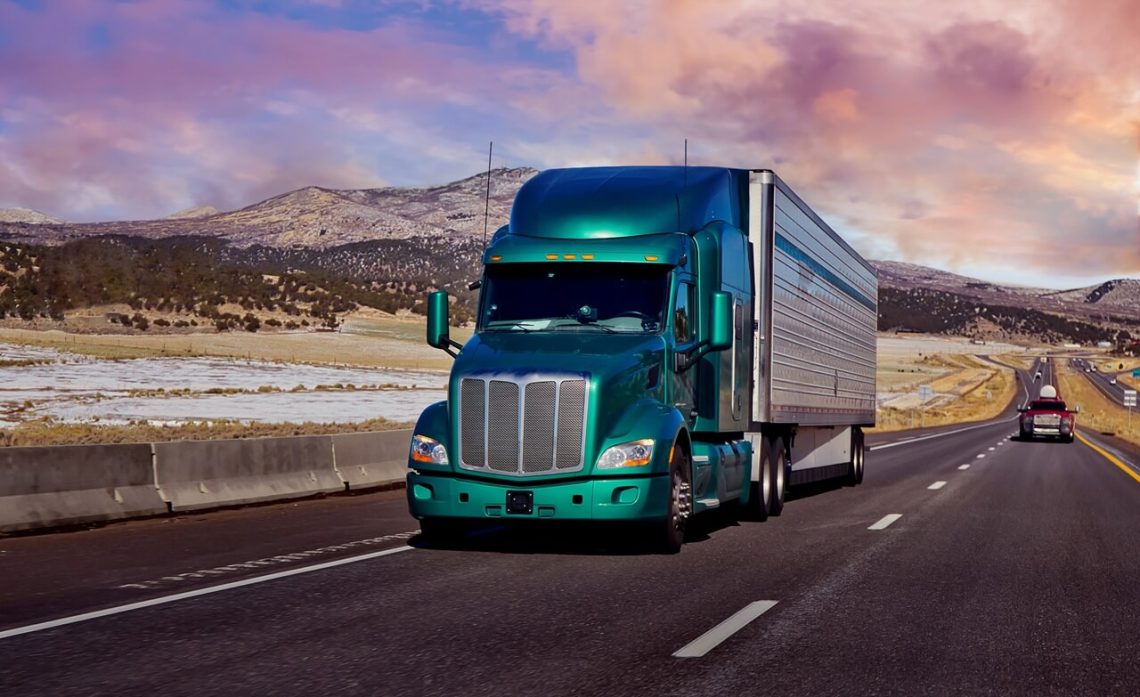
Image: A powerful semi-truck navigating a winding interstate highway bathed in golden sunset light, capturing the daily reality of long-haul trucking that keeps America’s supply chains moving.

18-wheeler tractor-trailer truck on interstate highway at sunset – Truck News (source: trucknews.com)
The Reasons Behind Nondomiciled CDL Issuance Strengthening
The core of the nondomiciled CDL crackdown stems from a nationwide FMCSA audit that uncovered systemic compliance failures in how states, including California, issued these special licenses. Nondomiciled CDLs are commercial driver’s licenses granted to individuals not domiciled in any U.S. state—typically foreign nationals authorized to work temporarily in the country. Prior to the changes, many states relied heavily on Employment Authorization Documents (EADs) and allowed license expiration dates to extend beyond a driver’s authorized period of stay.
FMCSA’s final rule, published in February 2026 and effective March 16, 2026, limits eligibility for new or renewed nondomiciled CDLs exclusively to holders of three specific employment-based nonimmigrant visas: H-2A (temporary agricultural workers), H-2B (temporary non-agricultural workers), and E-2 (treaty investors). Applicants must now present an unexpired foreign passport, a corresponding Form I-94 documenting the exact visa status, and undergo mandatory verification through the Systematic Alien Verification for Entitlements (SAVE) system. States must also ensure the nondomiciled CDL expiration matches the I-94 validity or one year, whichever is shorter, and require in-person renewal.
The primary reason for nondomiciled CDL strengthening is public safety. FMCSA identified a critical gap: state driver licensing agencies (SDLAs) lacked reliable access to foreign driving records. Non-domiciled drivers retain their home-country licenses and may continue driving abroad, meaning U.S. authorities could not fully vet concurrent or historical violations. This loophole “shielded unsafe driving behaviors—including serious violations or fatal crashes—simply because they occurred outside the reach of U.S. databases.”
In 2025 alone, FMCSA linked at least 17 fatal crashes involving nondomiciled CDL holders (resulting in 30 deaths) to drivers who would now be ineligible. One high-profile case involved an undocumented truck driver making an illegal U-turn in Florida, killing three people—a incident that became a political flashpoint and accelerated federal scrutiny. Another tragic episode occurred in California shortly after the DMV extended certain licenses: a driver whose credentials had been upgraded struck a queue of stopped vehicles, fatally injuring three.
Image: The California DMV headquarters exterior, where many nondomiciled CDL applications and cancellations have been processed amid the federal-state tensions.
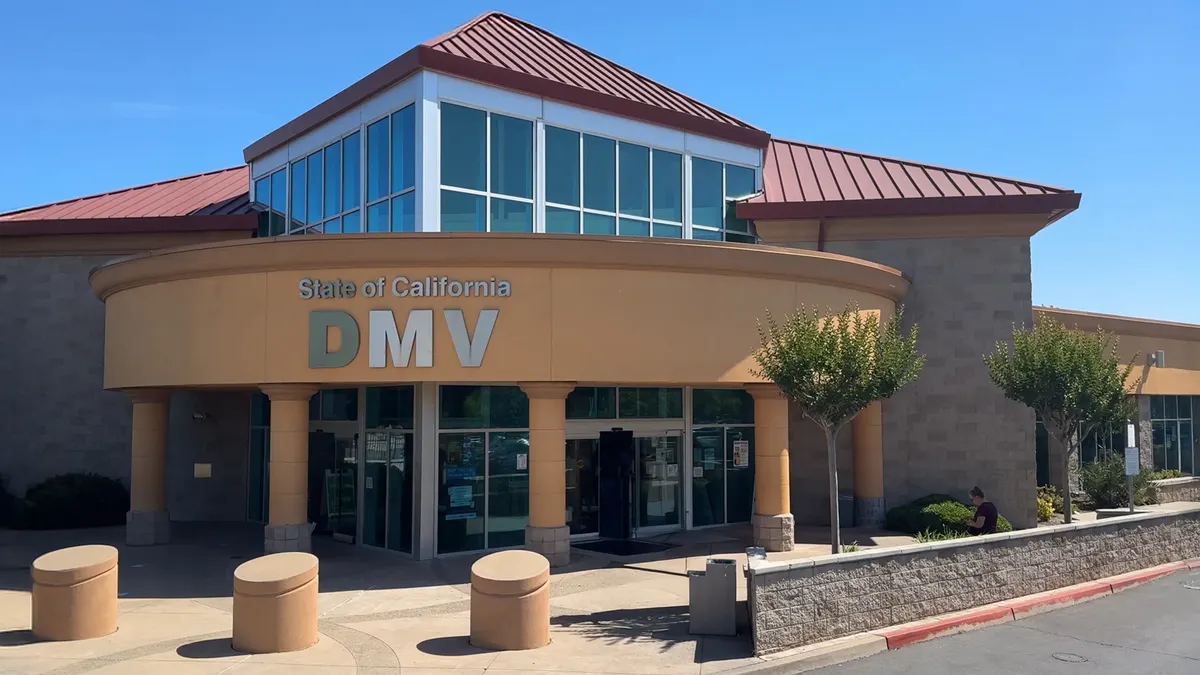
California DMV proposes new AV regulation framework | Smart Cities Dive (source: smartcitiesdive.com)
These safety-driven reforms close a long-standing loophole while holding states accountable. California, for instance, faced a preliminary determination of substantial noncompliance after issuing thousands of nondomiciled CDLs with mismatched expiration dates, leading to the withholding of $160 million in federal highway funds until corrective actions were taken.
How the Nondomiciled CDL Rule Affects Immigrants and Non-Resident Truck Drivers
The nondomiciled CDL rule’s impact on immigrants has been profound and immediate. Nationwide, up to 200,000 non-resident truck drivers—roughly 5% of the U.S. commercial driving workforce—held nondomiciled CDLs before the March 2026 changes. Most will lose renewal eligibility unless they possess one of the three qualifying visas.
In California alone, the DMV issued cancellation notices to approximately 17,000 drivers in November 2025. By March 6, 2026, around 13,000 nondomiciled CDLs were revoked following federal pressure, despite partial court interventions from a class-action lawsuit filed by the Asian Law Caucus, Sikh Coalition, and others. Many affected drivers are from the Punjabi Sikh community, which forms a significant pillar of West Coast trucking—estimates suggest 150,000 Punjabi Sikhs work in U.S. trucking, often entering the industry after seeking asylum or temporary protected status.
Personal stories highlight the human cost. Bay Area trucker and company owner Amarjit Singh received a cancellation notice and described feeling “in the dark” about whether to renew insurance or seek new work: “I don’t know if I’m going to have to look for another job. I’m stuck.” In Bakersfield, Roadies Trucking CEO Avninder Singh watched dozens of trucks sit idle, losing hundreds of thousands in monthly revenue: “My trucks are sitting with no one to drive them. It has put my livelihood in danger.” He walked past nine parked rigs daily, a haunting reminder of the sudden workforce disruption.
One 27-year-old driver, Joban Singh, had invested $80,000 in a truck expecting steady income for his family but now questions who would buy it if licenses are canceled. Across the Sikh community, drivers delayed weddings, closed small trucking companies, and lived in limbo, fearing traffic stops could lead to broader immigration complications.
Image: A sample Commercial Driver’s License (CDL), illustrating the document at the center of the nondomiciled CDL eligibility changes.
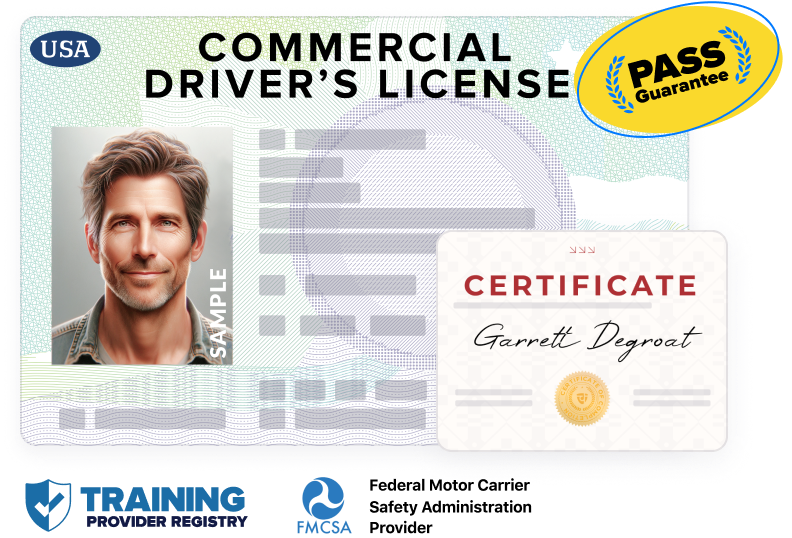
CDL Types Explained: Class A vs B vs C (Which Do You Need?) (source: driving-tests.org)
Image: A Sikh truck driver in the cab of his semi, representing the many immigrant non-resident truck drivers impacted by the nondomiciled CDL rule.
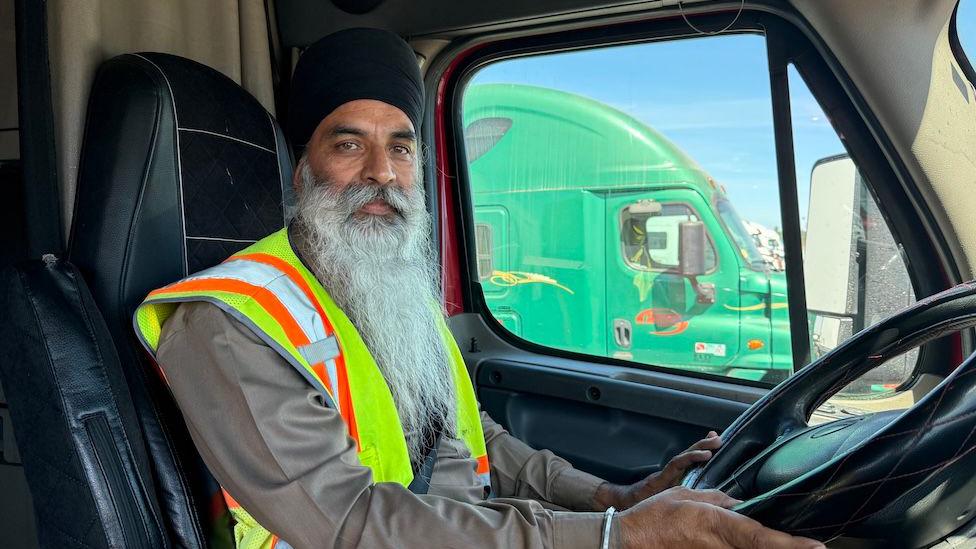
After a fatal crash, Sikh truck drivers in the US fear backlash (source: bbc.com)
The ripple effects extend beyond individuals. Small carriers operating 10 or fewer trucks risk collapse, while larger fleets face higher insurance scrutiny and potential nuclear verdicts in liability cases. Yet FMCSA maintains the changes enhance road safety without broadly discriminating, as they apply uniformly based on verifiable status rather than origin.
What the Future Holds for Nondomiciled CDL Holders
Looking ahead, the nondomiciled CDL landscape is now clearly defined by the March 16, 2026 effective date of the FMCSA final rule. Existing valid nondomiciled CDLs remain usable until their expiration, but renewals, upgrades, or transfers are restricted to H-2A, H-2B, or E-2 visa holders only. States must pause issuances to ineligible applicants or risk losing federal funding and CDL program certification.
Ongoing legal challenges—including lawsuits by unions, advocacy groups, and even California—could produce further court rulings, but as of April 2026, the rule stands and is being enforced. California DMV has resumed accepting applications for affected drivers but remains barred from issuing new nondomiciled CDLs without federal approval.
Industry analysts predict potential short-term trucking shortages in regions reliant on immigrant labor, particularly during peak seasons. However, FMCSA and groups like the American Trucking Associations emphasize that higher wages, better training for U.S. citizens, and expanded use of qualifying visa programs could fill gaps over time. For non-resident truck drivers without the three eligible visas, pathways may shift toward pursuing lawful permanent residency or other statuses that allow standard (domiciled) CDLs.
One optimistic note from the Sikh community, as shared by UNITED SIKHS director Bhupinder Kaur: “The Sikh sentiment is always to remain optimistic. We’re not going to accept it—we’re just gonna continue to fight.” This resilience echoes how Punjabi Sikh drivers transformed U.S. trucking over the past two decades, filling critical shortages with dedication and cultural pride.
Image: The official FMCSA logo, symbolizing the federal agency driving the nondomiciled CDL strengthening initiative.
Federal Motor Carrier Safety Administration – Wikipedia (source: wikipedia.org)
Image: A convoy of long-haul trucks on the interstate, representing the broader trucking industry that will adapt to the new nondomiciled CDL standards.
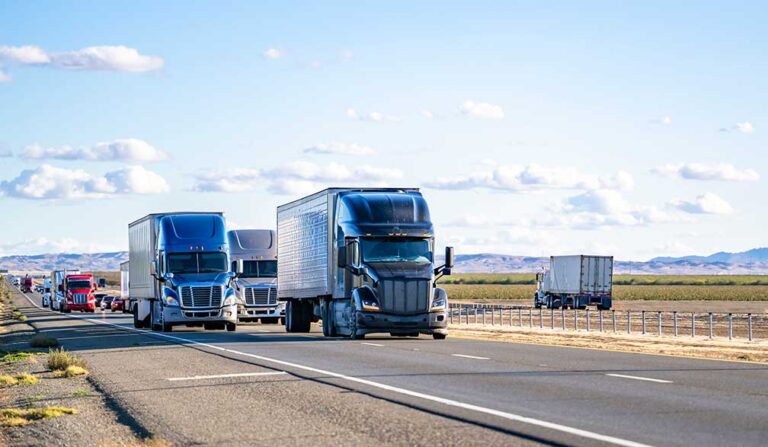
More than a century in the making: How a 1919 cross-country convoy inspired the modern interstate system – TheTrucker.com (source: thetrucker.com)
Image: Another view of dedicated Sikh truckers in the cab, underscoring the community spirit amid nondomiciled CDL challenges.

Sikhs Turn To Trucking By The Thousands To Keep The Faith | Wyoming Public Media (source: wyomingpublicmedia.org)
Sources and Further Reading
For complete transparency, here are the primary verifiable sources (all links are clickable):
- LA Times: “Immigrant truck drivers in limbo as feds deny California move to reissue licenses” (Dec 19, 2025) – Read here
- LA Times: “Why are California’s Indian truck drivers disappearing during the holiday rush?” (Dec 1, 2025) – Read here
- FMCSA Final Rule & FAQs (effective March 16, 2026) – Official FMCSA page
- Federal Register: “Restoring Integrity to the Issuance of Non-Domiciled Commercial Drivers Licenses” (Feb 13, 2026) – Full text
- California DMV updates on nondomiciled CDL cancellations – DMV portal