• ISSUE

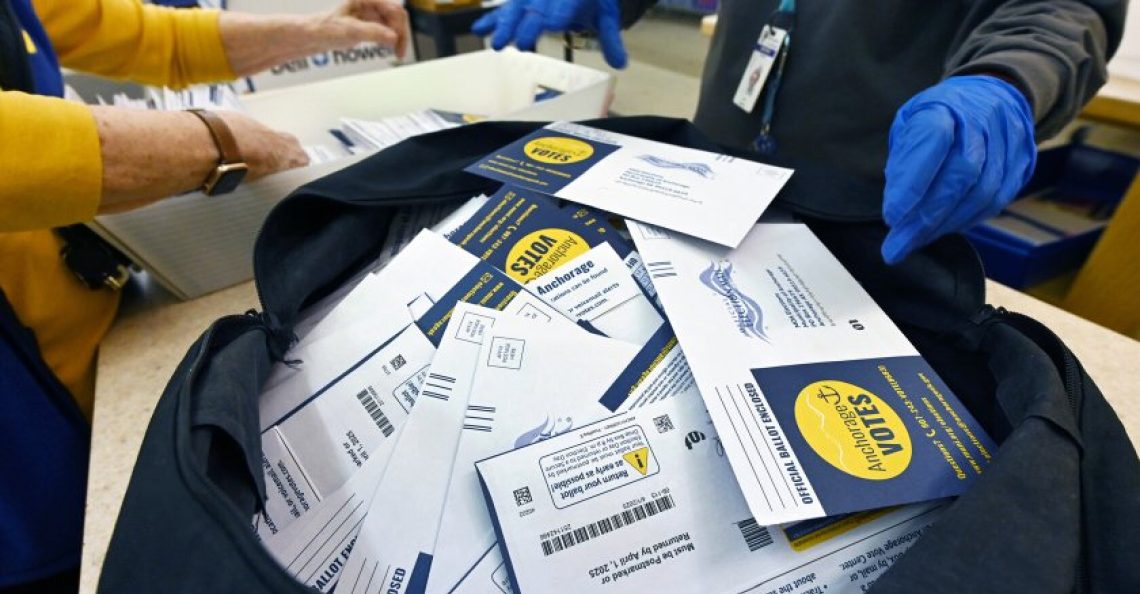
    Mail-In Voting Order: What SCOTUS Ruling Means for 2026

    If you’ve been following U.S. election news this summer, you’ve probably seen the phrase “mail-in voting order” pop up again and again — in headlines, in cable news chyrons, and in furious dissents from Supreme Court justices. On August 24, 2026, the Supreme Court handed the Trump administration a preliminary win that lets it move forward with a controversial mail-in voting order restricting how mail ballots are collected, verified, and delivered ahead of the November 2026 midterms. But as of this week, the story is far from over — a federal judge has already thrown a new wrench into the…

  • ISSUE

    Why the U.S. Visa Interview Pause Signals a New Vetting Era

    If you had a green card interview scheduled at a U.S. embassy this week and it suddenly vanished from your calendar with no new date attached, you are not alone — and you are not imagining things. In late August 2026, the U.S. State Department quietly pulled the plug on immigrant visa interviews at every American embassy and consulate on Earth, citing the need to retrain consular officers. No countries were exempted. No advance warning was given to applicants. One day the interview was on the books; the next, an email arrived saying it had been “postponed until further notice.”…

  • ISSUE

    Date-flation: Why Gen Z Says They Can’t Afford a First Date

    If you’ve come across headlines like “Gen Z can’t afford a first date” and wondered whether that’s an exaggeration or a real, data-backed trend, the short answer is: it’s real, and it has a name — Date-flation. This report traces the claim back to its original sources, checks the numbers against multiple independent surveys, and lays out exactly why romance has quietly become one of the more expensive line items in a young American’s monthly budget. The claim did not originate from a single dramatic headline. It’s the product of at least two separate, credible financial-industry surveys — one from…

  • ISSUE

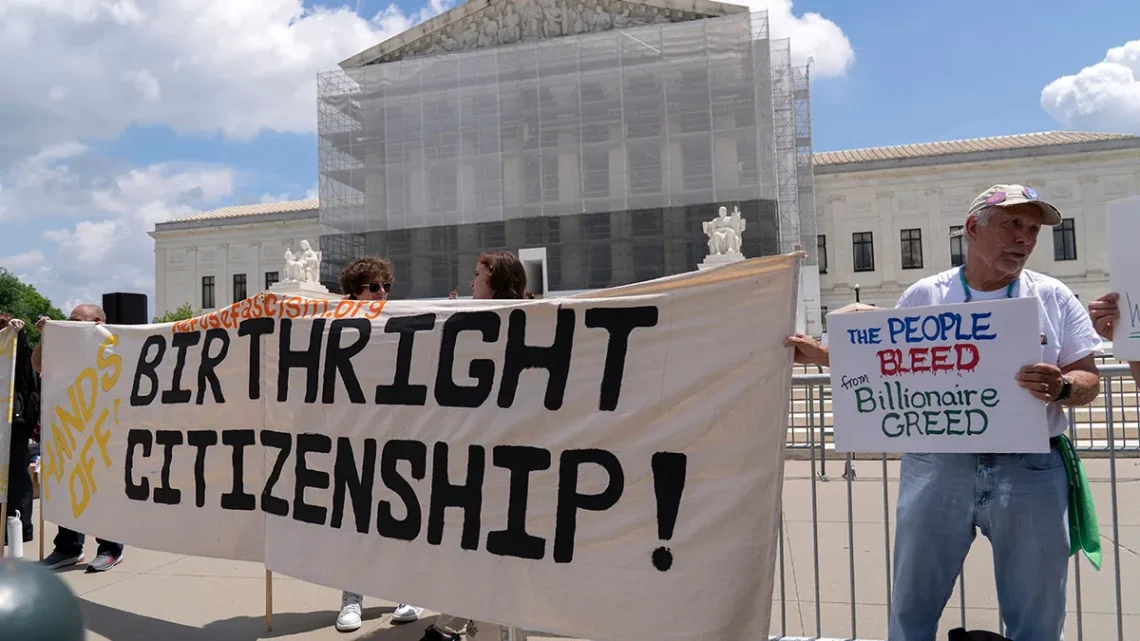
    Supreme Court Upholds Birthright Citizenship, Defeats Trump

    Birthright citizenship survived its biggest legal test in over a century today. On June 30, 2026, the U.S. Supreme Court struck down President Donald Trump’s executive order seeking to end automatic citizenship for children born on American soil, delivering one of the most consequential rulings of the term. ![United States Supreme Court Building in Washington DC](Supreme Court building, Washington D.C. — Source: Getty Images / Drew Angerer, via NPR) A Decade-Long Fight Reaches the Bench Trump’s crusade against birthright citizenship didn’t start in the Oval Office. Trump first called for ending the practice back in August 2015, during his initial…

  • ISSUE

    USCIS 2025 Immigration Approvals: What the 8.3 Million Data Really Tells Us

    “The numbers don’t lie — but they do tell a story that few people are ready to hear.” — Julia Gelatt, Migration Policy Institute The Headline Number That Changed Everything: 8.3 Million USCIS Approvals in 2025 When the U.S. Citizenship and Immigration Services (USCIS) released its full-year data for 2025, one number immediately cut through the noise: 8.3 million immigration approvals. On the surface, that sounds substantial — nearly as many people as live in New York City. But context is everything. In 2024, under the Biden administration, USCIS had approved 11.4 million applications. That means 2025 saw a 27%…