The National COSH Dirty Dozen 2026 report shines a spotlight on critical workplace safety issues in the United States. Released on April 22, 2026, during the start of Workers’ Memorial Week (April 22–29), this annual document from the National Council for Occupational Safety and Health (National COSH) highlights 12 companies accused of prioritizing profits over people, leading to preventable injuries, illnesses, and deaths.
What Is National COSH?
National COSH, or the National Council for Occupational Safety and Health, is a nonprofit organization dedicated to building worker power for safe, healthy, and just workplaces. It operates as a national federation uniting about 25–26 local COSH groups, unions, worker centers, and advocates. Founded with roots in the 1970s COSH movement, it gained formal 501(c)(3) status in 2004 and focuses on empowering workers to demand protections against hazards, exploitation, and retaliation. The group advocates for stronger OSHA enforcement, community justice, and policies that prevent workplace tragedies rather than reacting to them.
National COSH compiles the Dirty Dozen reports each year with input from its network, labor unions, safety professionals, and affected workers. The list targets employers showing patterns of repeated safety violations, ignoring known hazards, influencing harmful industry standards, or facing worker campaigns for change.

Image: Construction workers on a rooftop demonstrating typical high-risk jobsites often discussed in safety reports (Source: ISHN via web search).
The Core Message of the Dirty Dozen 2026 Report
The Dirty Dozen 2026 report opens with a stark statistic: one U.S. worker dies every 104 minutes on the job. It arrives amid concerns over declining federal enforcement, with workplace health and safety penalties dropping nearly 45% (or 47% in some analyses) under the current administration, per Good Jobs First data. Critics argue this weak oversight allows companies to evade accountability through subcontracting and inadequate protections against hazards like extreme heat, toxic dust, dangerous machinery, and retaliation.
“Every year, we honor workers who have lost their lives on the job, and every year, we see the same pattern: companies prioritizing profit over people,” said Jessica E. Martinez, Executive Director of National COSH. “The Dirty Dozen 2026 makes clear that these tragedies are not accidents—they are the result of choices.”
The report emphasizes that no one should risk their life for a paycheck and calls for stronger enforcement, supply chain accountability, heat protections, and safeguards against retaliation.
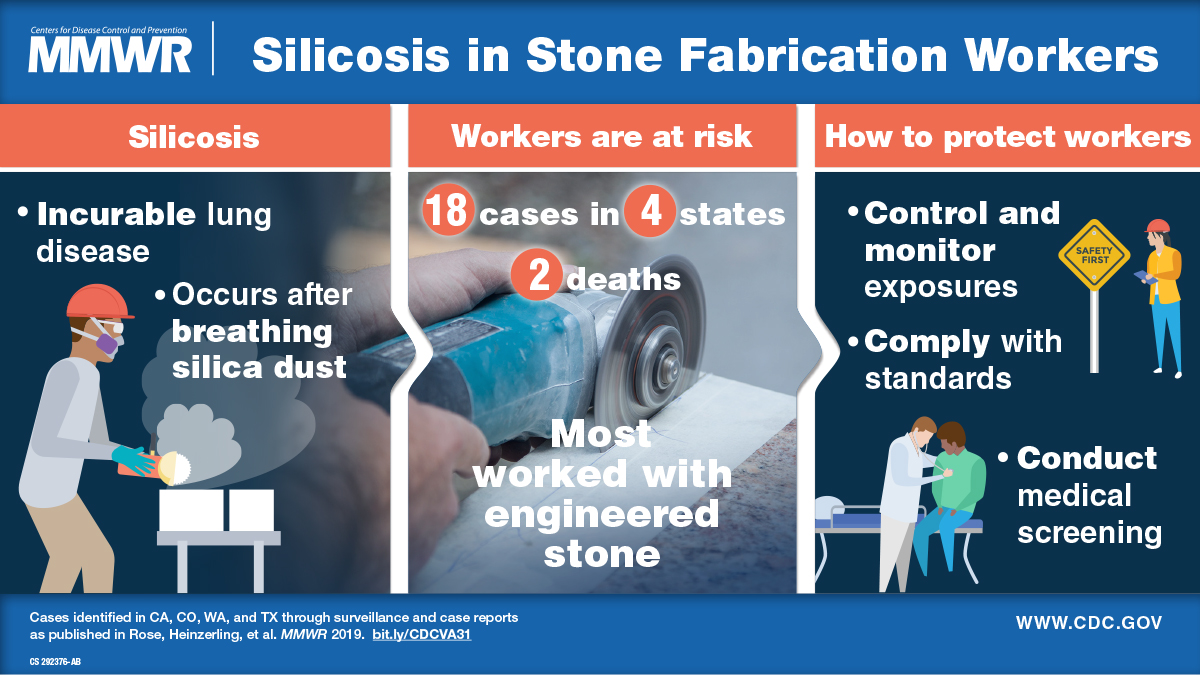
Image: Infographic on silicosis risks in engineered stone fabrication, a key hazard highlighted in the report (Source: CDC MMWR).
The 12 Companies in National COSH Dirty Dozen 2026
Listed alphabetically, here are the companies featured in the Dirty Dozen 2026, along with the primary concerns cited:
- Alliance Ground International: Repeated safety violations, unsafe equipment, and allegations of worker mistreatment in airport ground handling.
- Cambria Company, LLC: Engineered stone products linked to deadly silicosis from silica dust exposure.
- CommonSpirit Health: Unsafe staffing levels, workplace violence, and labor issues affecting healthcare workers and patient care.
- Consolidated Catfish Producers, LLC: Amputations from machine hazards, dangerous indoor heat, and inadequate training in food processing.
- D.R. Horton, Inc.: Repeated safety violations and hazardous conditions on construction jobsites, amid immigration enforcement actions.
- Hyundai-Kia U.S. Supply Chain: Worker deaths, child labor findings, and exploitation through subcontracting in auto manufacturing.
- Jeny Sod and Nursery: Wage theft, heat risks, pesticide exposure, and poor housing for nursery workers.
- LSG Sky Chefs: Extreme heat exposure without adequate cooling protections for food service/airline catering workers.
- Maker’s Pride LLC (formerly Hearthside, LLC): Amputations, child labor violations, and anti-union activities in food processing.
- Revoli Construction Co., Inc.: Decades of trenching violations culminating in fatal collapses.
- Subway IP LLC: Wage theft, retaliation, and labor issues across franchise operations.
- Wellmade Industries MFR. N.A LLC: Safety violations, labor exploitation, and links to trafficking investigations.
These entries span industries including construction, manufacturing, healthcare, food processing, and services, illustrating systemic issues rather than isolated incidents.
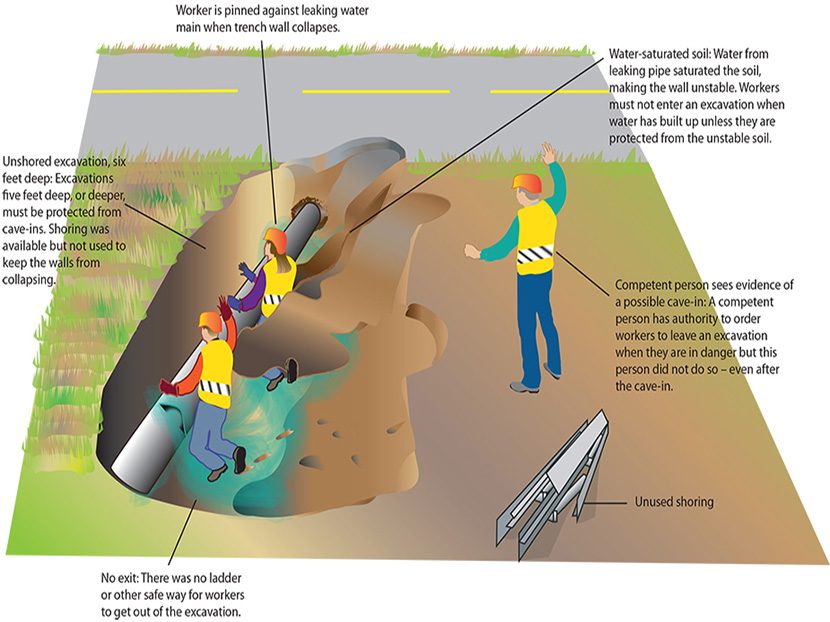
Image: Diagram illustrating trench collapse hazards, a recurring issue in construction safety violations like those cited for Revoli (Source: PHCP Pros).
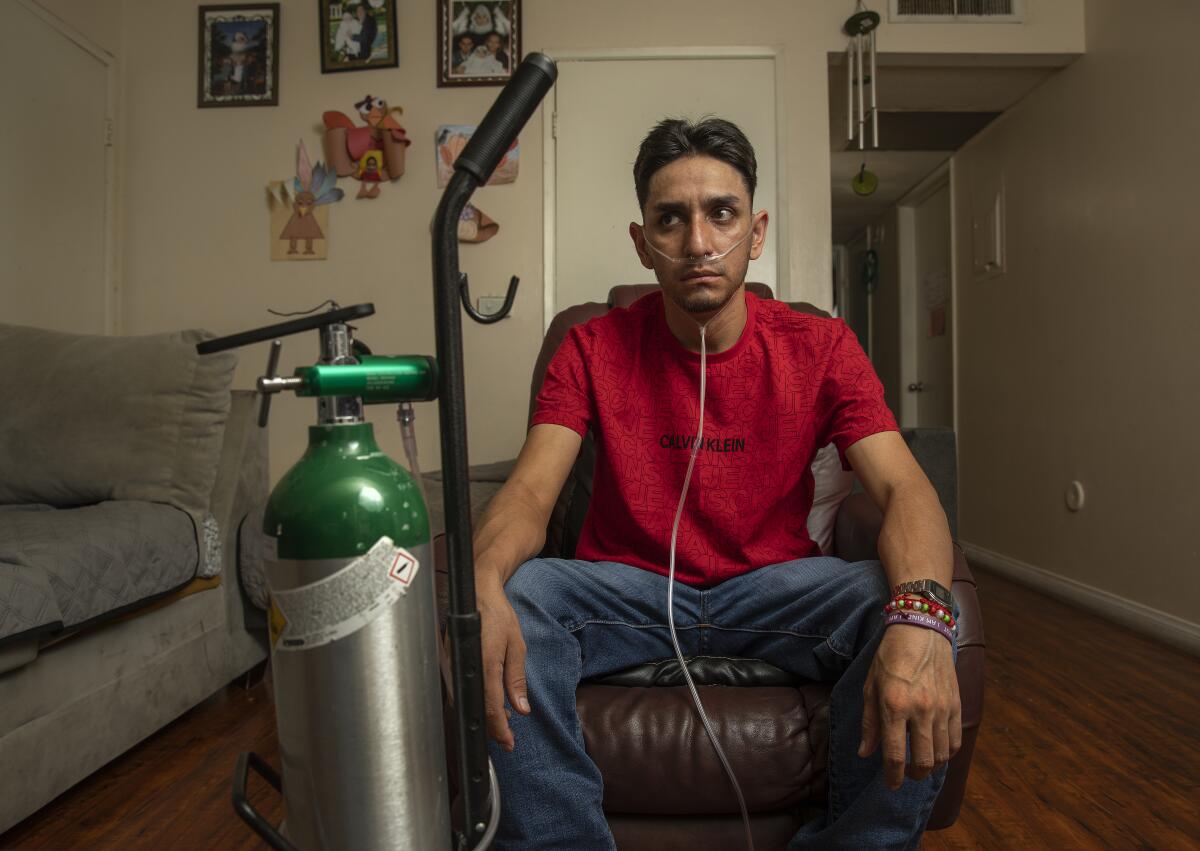
Image: A worker affected by silicosis from engineered stone work, similar to testimonies involving Cambria products (Source: Los Angeles Times).
Powerful Worker Testimonies Bring the Dirty Dozen 2026 to Life
The report gains depth through real voices. Gustavo Reyes Gonzalez, a former engineered stonecutter exposed to Cambria products, now lives with severe silicosis: “For more than a decade, I cut and polished engineered stone without knowing the dust I was breathing could kill me… No one warned me about the risks.”
A catfish processing worker at Consolidated Catfish Producers described overwhelming heat: “By the time we reach a break, we are dizzy and dehydrated… It feels like safety is not a priority.”
Kissy Cox from the Hyundai-Kia supply chain shared: “I reported my injuries, but I was still required to work in pain… The company says it’s a safe place to work, but the reality does not match.”
Anonymous workers from food processing and subcontracted auto roles echoed fears of retaliation, pressure to skip breaks, and inadequate training—stories that humanize the Dirty Dozen 2026 data and underscore why workers’ voices matter during Workers’ Memorial Week.
Interesting Episodes and Context Around Worker Safety
Workplace safety advocacy has colorful, sometimes tragic history. The broader COSH movement emerged in the 1970s as grassroots responses to events like the 1911 Triangle Shirtwaist Factory fire (which killed 146 workers and spurred labor reforms) and later OSHA’s creation in 1970. Local COSH groups have long fought for “right to know” laws about chemical hazards.
One recurring theme in reports like the Dirty Dozen involves subcontracting “safety shell games,” where lead companies shift blame down the chain—much like airport ground handlers or auto suppliers facing issues while brands maintain distance. Heat-related cases evoke stories of outdoor workers in states without mandatory protections, leading to campaigns with creative names like “Fired Up! Heat Season Kickoff.”
In construction, trenching violations (as with Revoli) have led to dramatic rescues and, sadly, fatalities that could have been prevented with simple shoring—echoing decades of OSHA citations that sometimes feel like “Groundhog Day” for inspectors.
These episodes add a human, almost narrative layer: brave workers speaking out despite fear, advocates using media calls and social campaigns, and the slow grind of enforcement amid staffing shortages (OSHA’s roughly 1,850 inspectors for over 130 million workers would take 150 years to inspect everything at current rates).
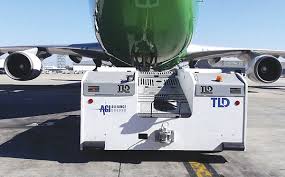
Image: Airport ground handling equipment, representative of operations at companies like Alliance Ground International (Source: Metro Airport News).
Why the Dirty Dozen 2026 Matters for Everyday Readers
Reading the National COSH Dirty Dozen 2026 reminds us that workplace safety touches everyone—whether you fly (ground handling), eat out (food processing and catering), receive healthcare, or live near construction sites. It sparks conversations about corporate responsibility, the value of unions and worker centers, and the need for updated laws on heat stress, silica, and supply chain transparency.
For a personal blog angle, consider how these issues intersect with immigrant labor, gig economy trends, or even climate change amplifying heat hazards. The report isn’t just a “name and shame” list; it’s a call to support stronger protections so every worker returns home safely.
National COSH continues its work through events, toolkits, and advocacy. Past Dirty Dozen reports are available on their site for historical context.
Sources and Further Reading
- Official Press Release and Report Details: https://nationalcosh.org/news/press-releases/one-worker-dies-every-104-minutes-national-cosh-dirty-dozen-2026-exposes
- Dirty Dozen Page: https://nationalcosh.org/Dirty_Dozen (and https://nationalcosh.org/resources/dirty-dozen-2026 for the 2026 edition)
- Occupational Health & Safety Article: https://ohsonline.com/articles/2026/04/20/national-cosh-names-annual-dirty-dozen-employers.aspx
- National COSH Main Site: https://nationalcosh.org/
Always cross-reference with official company responses or OSHA records for the fullest picture, as the Dirty Dozen 2026 represents advocacy perspectives based on documented concerns and worker reports.