The debate over birthright citizenship has reached a historic crossroads in the Trump administration. On April 1, 2026, the U.S. Supreme Court heard oral arguments in Trump v. Barbara, a landmark case challenging President Donald Trump’s January 20, 2025, executive order that seeks to limit automatic birthright citizenship for certain children born in the United States.
This birthright citizenship challenge marks one of the most significant constitutional showdowns of the current Supreme Court term, with the president himself attending part of the proceedings—the first sitting U.S. president ever to do so.

Image: The majestic neoclassical United States Supreme Court Building in Washington, D.C., where oral arguments in the birthright citizenship case unfolded (Public domain via Brewminate / historical architecture archive).
What Is Birthright Citizenship?
Birthright citizenship, rooted in the principle of jus soli (right of the soil), grants automatic U.S. citizenship to nearly everyone born on American soil. It stems directly from the Citizenship Clause of the 14th Amendment, ratified in 1868: “All persons born or naturalized in the United States, and subject to the jurisdiction thereof, are citizens of the United States and of the State wherein they reside.”
The only narrow exceptions under longstanding precedent involve children of foreign diplomats or invading enemy forces—not children of immigrants, whether documented or undocumented. This interpretation was cemented by the Supreme Court in 1898 and codified in federal statute (8 U.S.C. § 1401).
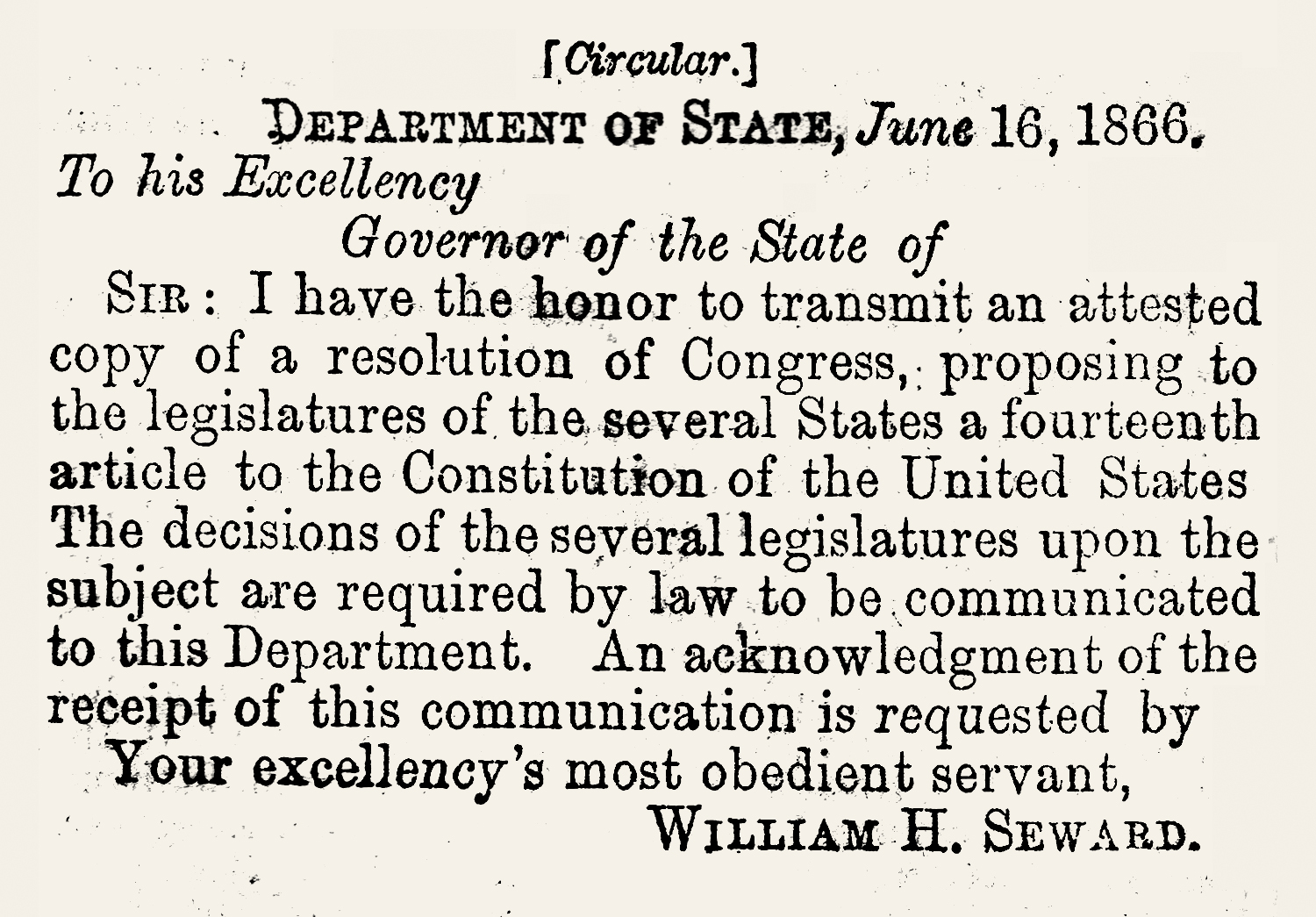
Image: Historical letter transmitting the 14th Amendment to the states in 1866, the foundation of birthright citizenship (Public domain via Wikimedia Commons).
Historical Roots of Birthright Citizenship: From Dred Scott to Wong Kim Ark
The story of birthright citizenship is deeply intertwined with America’s struggle for equality. Before the Civil War, the infamous Dred Scott v. Sandford decision (1857) denied citizenship to African Americans, declaring them non-citizens even if born in the U.S. This ruling helped ignite the Civil War. The 14th Amendment was explicitly designed to overturn Dred Scott and ensure that birthplace, not ancestry or parental status, defined citizenship for all born here.
A riveting episode unfolded in 1898 with United States v. Wong Kim Ark. Wong, born in San Francisco in 1873 to Chinese immigrant parents (legal residents barred from naturalization under the Chinese Exclusion Act), was denied re-entry after a trip to China. The Supreme Court ruled 6-2 that he was a citizen by birth. Justice Horace Gray wrote that the 14th Amendment reaffirmed the “fundamental principle of citizenship by birth within the dominion.” Wong later worked as a cook and lived quietly in the U.S. until his death—his case remains the bedrock precedent for birthright citizenship.
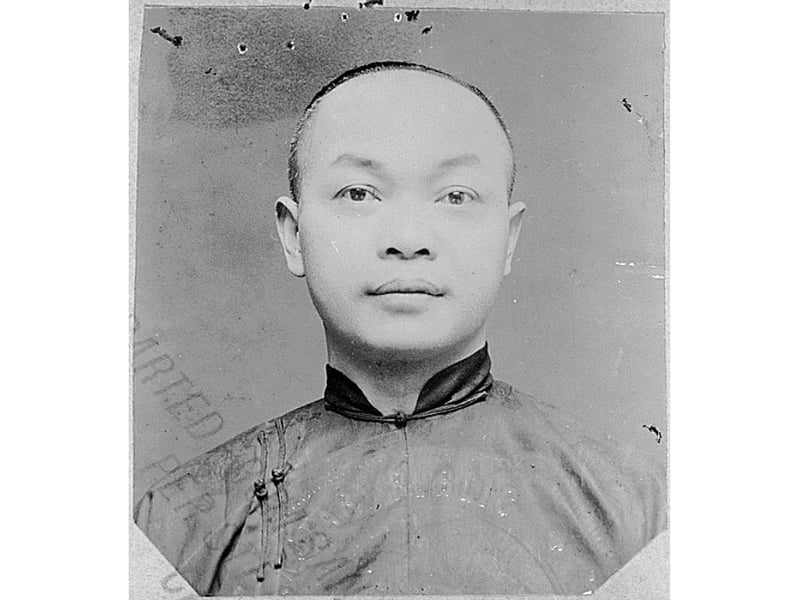
Image: Portrait of Wong Kim Ark, the Chinese-American whose 1898 Supreme Court victory affirmed birthright citizenship for children of immigrants (Public domain historical photograph via Courthouse News / archival records).
Another colorful historical footnote traces back to 1608 England’s Calvin’s Case, which established jus soli under common law: even a child born to Scottish parents in England owed allegiance to the king. American courts adopted this, making birthright citizenship a cornerstone long before the 14th Amendment.
Why Birthright Citizenship Matters in the Trump Era
At this pivotal moment, birthright citizenship has surged to the forefront amid ongoing immigration pressures. The Trump administration argues that unchecked birthright citizenship incentivizes illegal immigration, “birth tourism,” and strains public resources. The executive order targets children born to mothers who are unlawfully present or on temporary visas (e.g., student or tourist) when the father lacks U.S. citizenship or lawful permanent residency.
Proponents of the policy highlight national security and economic concerns in an era of record border encounters. Critics counter that altering birthright citizenship would create a permanent underclass of U.S.-born individuals, potentially stateless, and contradict over 125 years of settled law. The issue exploded in prominence after the order’s issuance on Trump’s first day back in office, tying directly into broader immigration enforcement priorities.
The Trump Administration’s Challenge to Birthright Citizenship
President Trump’s executive order, titled “Protecting the Meaning and Value of American Citizenship,” directs federal agencies not to issue citizenship documents to affected infants born after a 30-day grace period. Lower courts swiftly blocked it nationwide, calling it unconstitutional. The administration appealed, leading to the Supreme Court’s review in Trump v. Barbara.
The core legal dispute hinges on “subject to the jurisdiction thereof.” The government contends it excludes those whose parents owe primary allegiance elsewhere. Opponents cite Wong Kim Ark and historical records showing the clause excludes only diplomats and invaders—not immigrants.
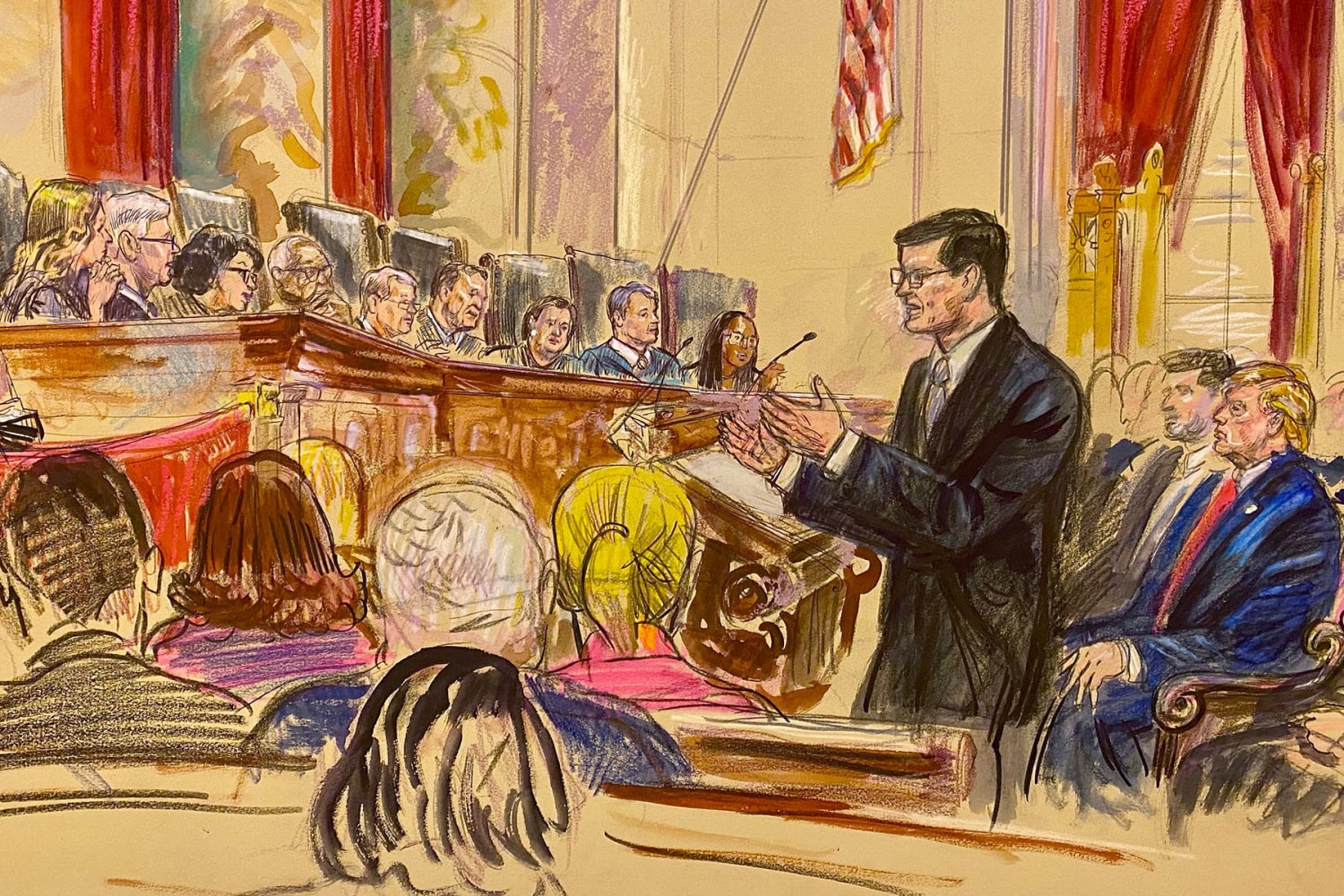
Image: Courtroom sketch from the April 1, 2026, Supreme Court oral arguments in Trump v. Barbara, capturing the tense atmosphere surrounding the birthright citizenship case (Courtroom artist rendering via NBC News).
Interesting Episodes in the Birthright Citizenship Saga
Beyond Wong Kim Ark, colorful tales abound. During the 19th century, “paper sons” and Chinese immigrants navigated exclusion laws, yet their U.S.-born children claimed citizenship rights. Fast-forward: isolated “birth tourism” cases involve affluent foreign nationals timing visits for delivery, though data shows this represents a tiny fraction of annual births—far overshadowed by everyday immigrant families building lives here.
A lighter historical nugget: In the 1930s-1950s, even lawmakers who passed immigration statutes explicitly understood Wong Kim Ark to cover children of temporary or undocumented parents. Trump himself, during his first term, floated but never issued a similar order—making the 2025 action a bold escalation.
The Historic Supreme Court Oral Arguments on Birthright Citizenship
On April 1, 2026, the justices grilled both sides for over two hours. Even Trump-appointed justices expressed skepticism, questioning whether an executive order could override constitutional text and precedent. President Trump’s presence in the audience added unprecedented drama.
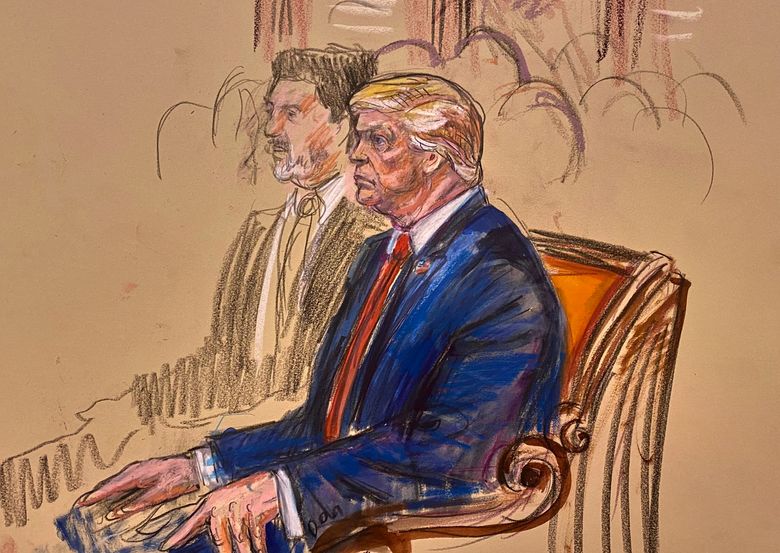
Image: Courtroom sketch of President Trump observing the birthright citizenship oral arguments—the first sitting president to attend such proceedings (Artist rendering via Seattle Times / Supreme Court pool).
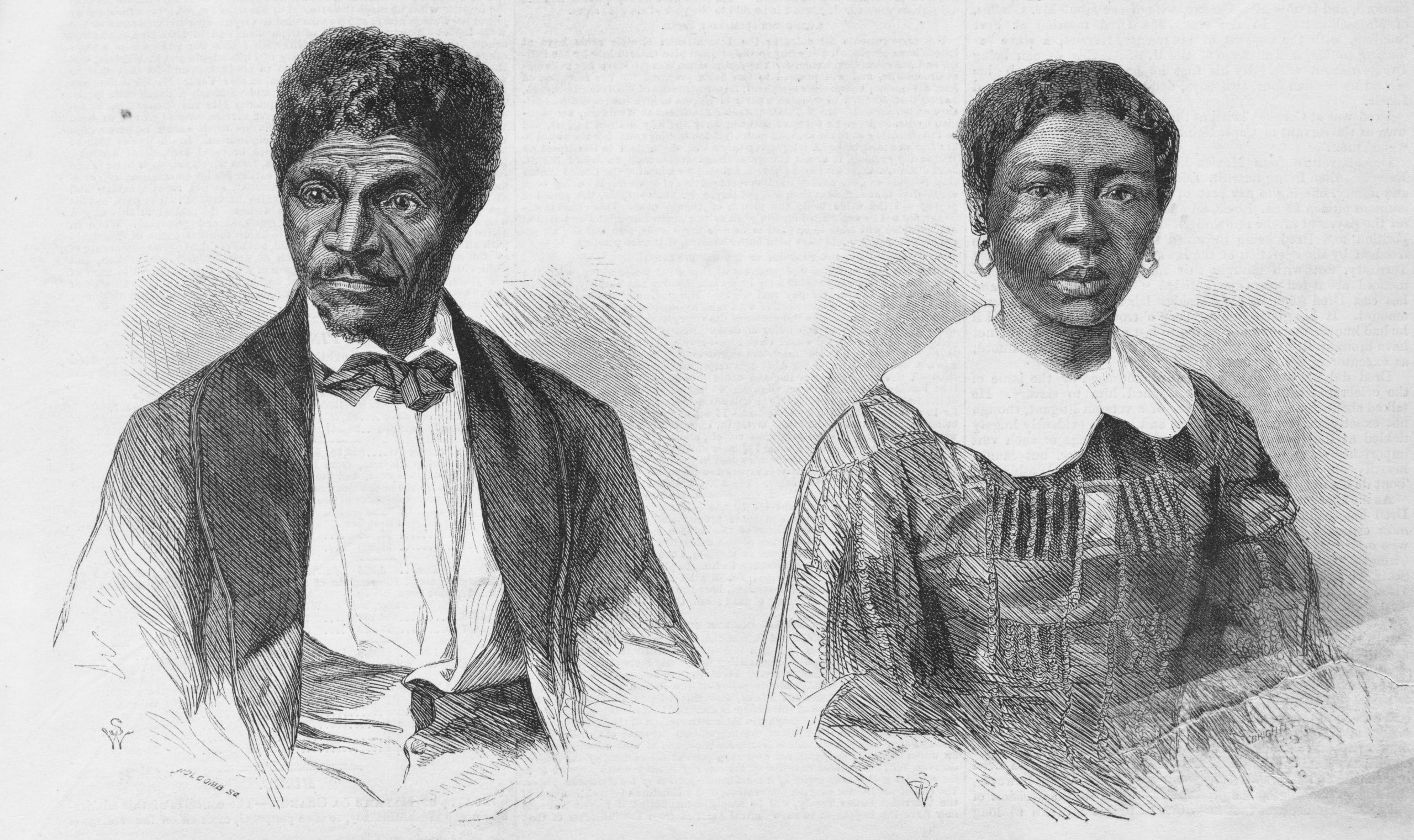
Image: Wood engraving of Dred Scott and his wife Harriet, whose 1857 case denying citizenship directly inspired the 14th Amendment’s birthright citizenship clause (Public domain via Wikimedia Commons).
Future of Birthright Citizenship: What Lies Ahead
A decision is expected by late June or early July 2026. Legal experts widely anticipate the Supreme Court will strike down the executive order, reaffirming the broad scope of birthright citizenship under the 14th Amendment. Any fundamental change would require a constitutional amendment—needing two-thirds approval in both houses of Congress and ratification by three-fourths of the states—an extraordinarily high bar.
This birthright citizenship episode underscores the tension between evolving immigration realities and constitutional bedrock. Regardless of the outcome, it will shape policy debates for generations.
Sources and Further Reading:
- White House Executive Order (Jan. 20, 2025): https://www.whitehouse.gov/presidential-actions/2025/01/protecting-the-meaning-and-value-of-american-citizenship/
- SCOTUSblog Analysis of Oral Arguments: https://www.scotusblog.com/2026/04/supreme-court-appears-likely-to-side-against-trump-on-birthright-citizenship/
- ACLU Live Coverage of Trump v. Barbara: https://www.aclu.org/news/immigrants-rights/live-coverage-birthright-citizenship-scotus-oral-arguments
- United States v. Wong Kim Ark Full Opinion: https://supreme.justia.com/cases/federal/us/169/649/
- Brennan Center Report on Birthright Citizenship: https://www.brennancenter.org/our-work/research-reports/birthright-citizenship-under-us-constitution