In a bold move reported exclusively by Reuters on April 10, 2026, the Trump administration has launched a sweeping Birth Tourism Crackdown through U.S. Immigration and Customs Enforcement (ICE). This new “Birth Tourism Initiative” targets covert networks allegedly helping pregnant foreign nationals lie on visa applications to secure U.S. citizenship for their newborns via birthright citizenship. The operation, detailed in an internal ICE email reviewed by Reuters, focuses on fraud, financial crimes, and organized schemes exploiting temporary visas.

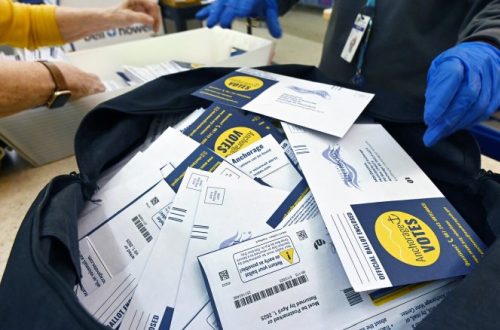
(Image: ICE agents on patrol during immigration enforcement operations, symbolizing the front lines of the Birth Tourism Crackdown. Source: CP24/Reuters coverage of ICE efforts.)
This Birth Tourism Crackdown is not isolated but deeply intertwined with ongoing debates over birthright citizenship, a cornerstone of American identity rooted in the 14th Amendment. As the Trump administration intensifies enforcement, questions swirl about its causes, legal ties to birthright citizenship, and ripple effects on immigration patterns and the U.S. economy. This in-depth analysis draws solely from verified facts, official reports, and court records to deliver a clear-eyed examination—perfect for understanding one of the most nuanced immigration stories of 2026.
The Driving Forces Behind Trump’s Birth Tourism Crackdown
The immediate trigger for the Birth Tourism Crackdown stems from long-standing concerns amplified in President Trump’s second term. On his first day in office in January 2025, Trump signed Executive Order 14160, titled “Protecting the Meaning and Value of American Citizenship.” It directed federal agencies to deny automatic birthright citizenship to children born in the U.S. if neither parent is a U.S. citizen or lawful permanent resident—explicitly including those on temporary visas like tourist (B-1/B-2) or student visas, as well as undocumented individuals.
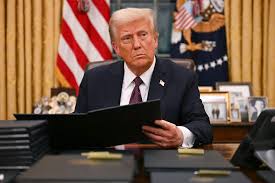
(Image: President Trump reviewing documents in the Oval Office during the signing of the executive order on birthright citizenship. Source: Official White House imagery via 19th News.)
The administration views birth tourism—where expectant mothers enter on short-term visas primarily to deliver a child who gains instant citizenship—as an abuse that undermines national security, strains public resources, and devalues citizenship. Reuters notes that ICE’s Homeland Security Investigations arm is now prioritizing cases of visa fraud where networks coach applicants to conceal pregnancies. While no exact arrest numbers from the new initiative are public yet, past probes under both Trump and Biden administrations have dismantled similar rings, charging individuals with visa fraud and money laundering.
Historical context adds depth: Birth tourism surged in the 2010s, particularly from China and Russia, with estimates from the Center for Immigration Studies (based on CDC and visa data) placing annual births to tourist-visa mothers at around 33,000 in peak pre-pandemic years. Proponents of the Birth Tourism Crackdown argue it prevents “anchor baby” scenarios, where U.S.-born children later sponsor family immigration after turning 21. Critics counter that enforcement of existing rules—tourist visas explicitly prohibit entry for the primary purpose of childbirth—suffices, and the scale remains small relative to total U.S. births (about 3.6 million annually).
The Birth Tourism Crackdown aligns with broader Trump-era immigration priorities, including border security and visa vetting. Lower courts have blocked the 2025 executive order as unconstitutional, citing over a century of precedent interpreting the 14th Amendment’s Citizenship Clause broadly. The Supreme Court heard arguments in April 2026, with the case Trump v. Barbara testing whether the clause excludes children of temporary visitors. Regardless of the outcome, the Birth Tourism Crackdown signals proactive administrative action to deter schemes in the interim.
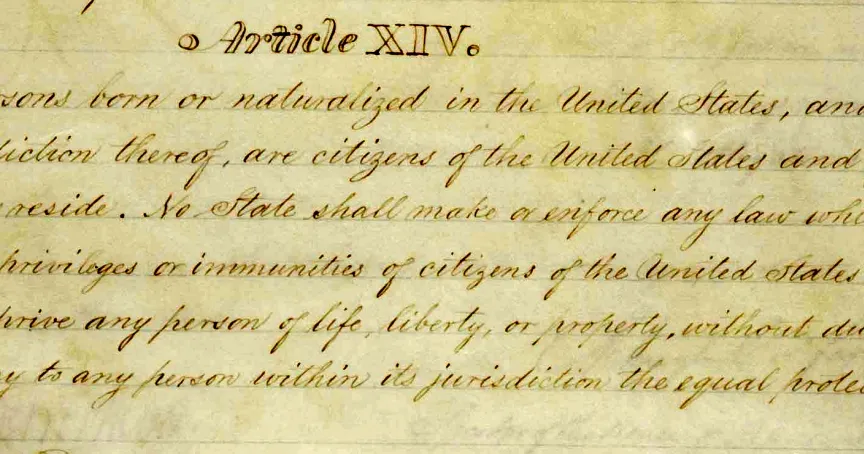
(Image: Historical text of the 14th Amendment to the U.S. Constitution, the legal foundation of birthright citizenship. Source: American Battlefield Trust archival document.)
Birth Tourism’s Direct Link to Birthright Citizenship
At its core, the Birth Tourism Crackdown spotlights birthright citizenship—the principle that anyone born on U.S. soil (with narrow exceptions like children of diplomats) automatically becomes a citizen under the 14th Amendment, ratified in 1868 to secure rights for formerly enslaved people post-Civil War. The clause states: “All persons born or naturalized in the United States, and subject to the jurisdiction thereof, are citizens of the United States and of the State wherein they reside.”
Trump’s team argues the original intent excluded those not fully “subject to the jurisdiction” of the U.S., such as temporary visitors or undocumented entrants whose primary goal is citizenship acquisition for offspring. This interpretation fuels the Birth Tourism Crackdown, framing birth tourism as a loophole that incentivizes fraud. Federal regulations (22 CFR 41.31) already bar tourist visas for childbirth as the main purpose, with lying to consular officers constituting a crime. Past prosecutions, including multi-million-dollar Chinese “maternity hotel” operations in California, underscore the issue.
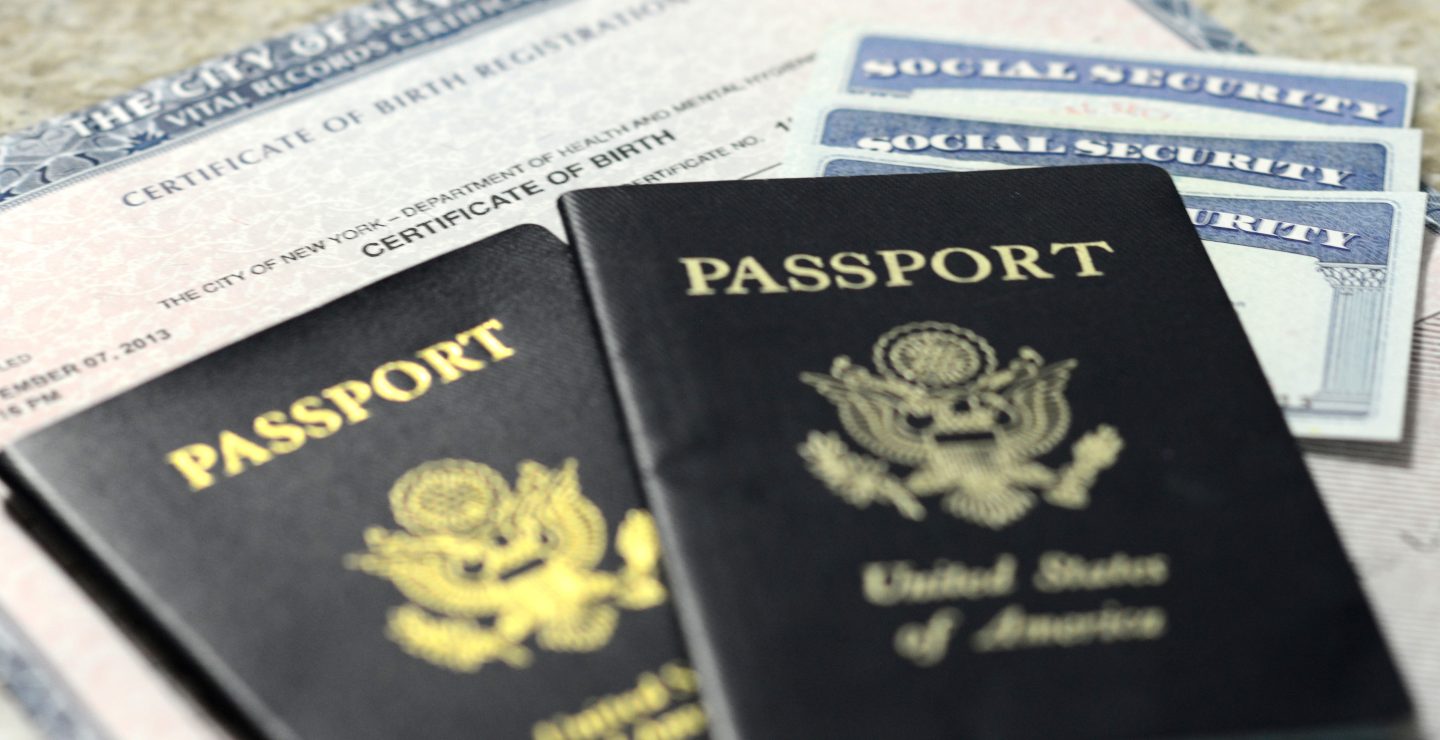
(Image: U.S. passport and birth certificate, emblematic of the automatic benefits tied to birthright citizenship. Source: Stock imagery illustrating citizenship documents via Stop AAPI Hate resources.)
Birth tourism thus exploits birthright citizenship’s jus soli (right of soil) tradition, rare among nations but a hallmark of American exceptionalism. The Birth Tourism Crackdown seeks to close enforcement gaps without awaiting a Supreme Court ruling.
Captivating Episodes That Humanize the Birth Tourism Phenomenon
Beyond policy, birth tourism has spawned colorful, often eyebrow-raising real-life tales that highlight its global allure and underground economics.
One notorious episode unfolded in Southern California, where federal agents raided luxury “maternity hotels” catering to Chinese clients. In one 2015-2019 scheme, operators like those in Rancho Cucamonga charged tens of thousands per client, wiring over $3.4 million from China in just two years. Women were coached to hide pregnancies during visa interviews, enjoy upscale accommodations, and deliver at top hospitals—only for some to leave unpaid medical bills shifted to taxpayers. A key figure, Dongyuan Li, pleaded guilty to visa fraud; similar rings led to 19 indictments in 2019. These operations turned birth tourism into a multimillion-dollar industry, complete with online ads promising “American Dream” packages.
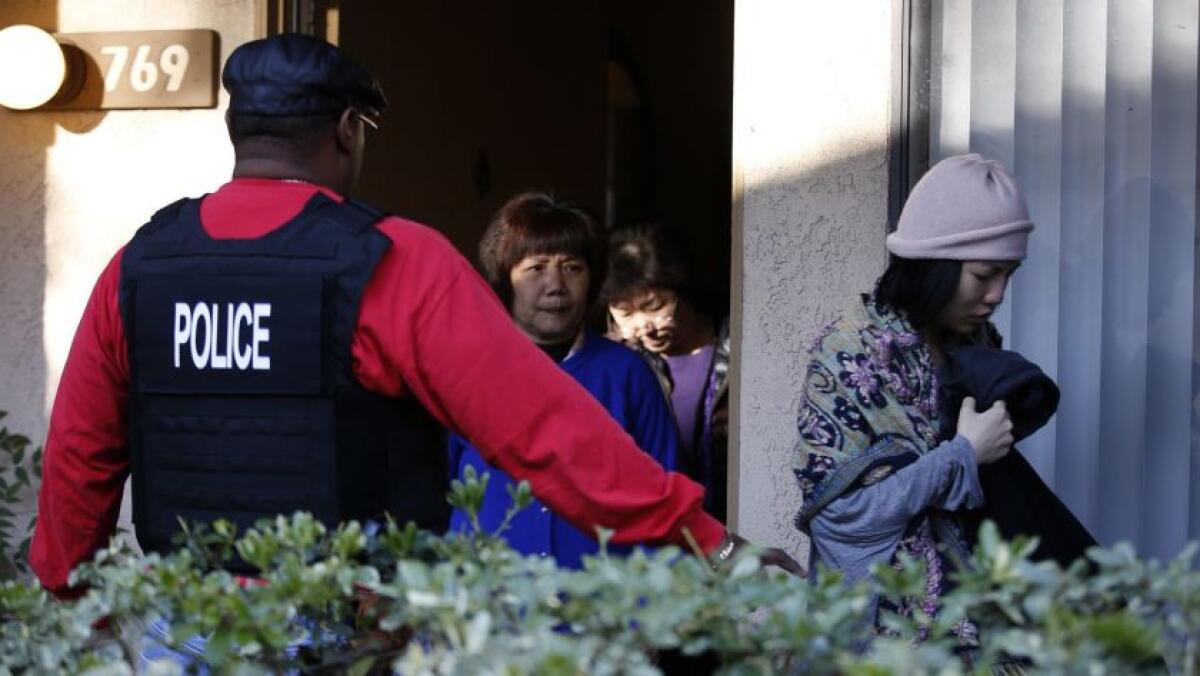
(Image: Law enforcement approaching a suspected maternity hotel during a raid on Chinese birth tourism operations in California. Source: Los Angeles Times photo from federal raids.)
Across the country in Miami, Russian birth tourism painted a more glamorous picture. In the late 2010s, pregnant women from Russia flocked to South Florida, renting ocean-view apartments and posting Instagram selfies in bikinis on sunny beaches. Agencies like “Miami Mama” arranged everything from visas to hospital stays, with mothers raving about U.S. care—“like a good hotel,” one told NBC News—compared to domestic options back home. Groups of four or five expectant mothers would fly together, turning the trip into a luxurious baby-moon with built-in citizenship perks. One mother, Svetlana Mokerova, called it “awesome,” while another boasted of multiple compatriots on her flight.
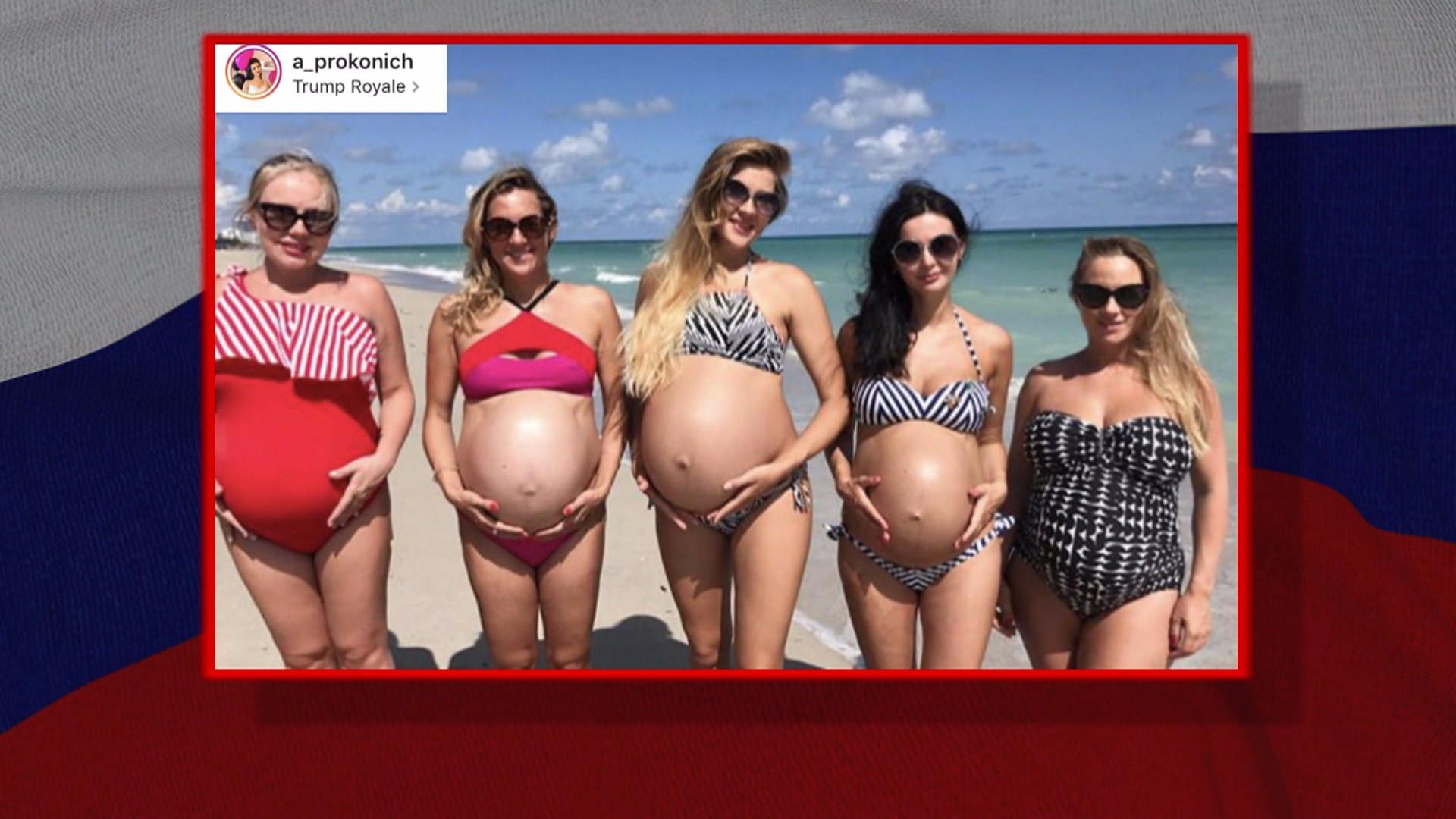
(Image: Group of pregnant Russian women on a Miami beach, capturing the luxury side of birth tourism. Source: NBC News feature on the Russian baby boom in Florida.)
A lighter, documentary-style glimpse comes from filmmaker Leslie Tai’s work on Chinese birth tourism, following women who viewed U.S. births as a savvy investment in their child’s future. One Beijing contact surprised her with a baby bump reveal, admitting agencies handled everything discreetly. These stories reveal birth tourism as a mix of aspiration, opportunism, and cultural calculation—families betting on America’s promise while navigating ethical gray zones.
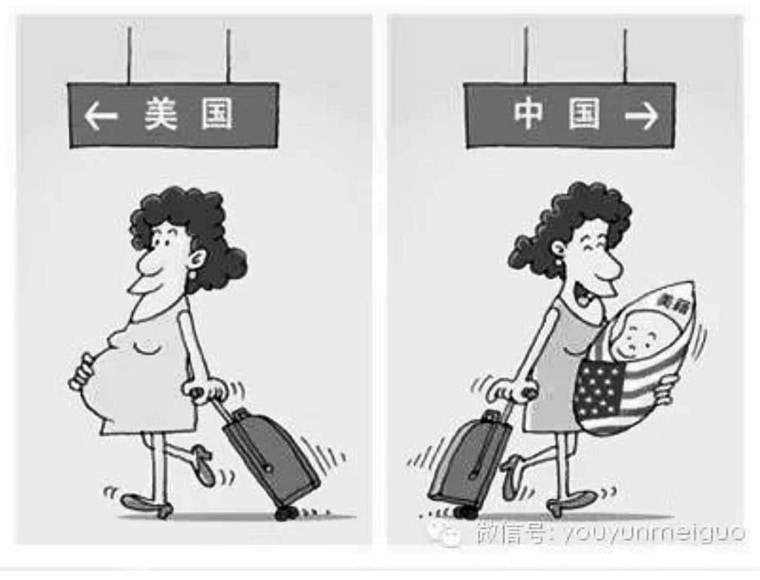
(Image: Cartoon illustration contrasting a pregnant woman arriving in the U.S. and departing with a U.S.-citizen baby, satirizing birth tourism dynamics. Source: NBC News archival on maternity hotel raids.)
Such episodes underscore why the Birth Tourism Crackdown resonates: they blend human ambition with systemic vulnerabilities in birthright citizenship enforcement.
Future Waves: Immigration and Economic Impacts of the Birth Tourism Crackdown
Looking ahead, the Birth Tourism Crackdown and linked birthright citizenship reforms could reshape U.S. immigration and economic landscapes in measurable ways.
On immigration: Stricter visa scrutiny and fraud probes will likely deter would-be birth tourists, reducing entries by pregnant women on tourist visas. If the Supreme Court upholds elements of the 2025 executive order, birthright citizenship restrictions could curtail future chain migration—U.S.-born children of temporary visitors would no longer anchor parental sponsorship decades later. This aligns with Trump’s goal of merit-based systems but may spark legal challenges and diplomatic friction with key source countries like China. Overall inflows of temporary visitors could dip modestly, though experts note birth tourism represents a tiny fraction of total migration.
Economically, effects are mixed but tangible. Birth tourism injects revenue into healthcare and hospitality—maternity stays, hotels, and related services in hubs like Los Angeles, New York, and Miami. Hospitals in high-volume areas have benefited from cash-paying international patients, though some cases involve uncompensated care. A Center for Migration Studies analysis estimates birthright citizens (including those from immigrant parents) contribute trillions in lifetime taxes and GDP over decades through higher education and workforce participation. Curtailing birth tourism might trim short-term medical tourism dollars (estimated in the low hundreds of millions annually) but could yield long-term savings if reduced fraud lowers enforcement and welfare costs. Broader studies project that robust immigration, including pathways tied to citizenship, adds $2 trillion+ to GDP via labor and consumption—suggesting the Birth Tourism Crackdown’s net impact depends on scale and implementation.
In sophisticated terms, this Birth Tourism Crackdown represents a calculated recalibration: prioritizing sovereignty and rule-of-law integrity in birthright citizenship while navigating economic trade-offs. For personal bloggers and policy watchers alike, it’s a fascinating case study in how one initiative can echo across borders, courtrooms, and balance sheets.
Sources and Further Reading :
- Reuters Exclusive on ICE Birth Tourism Initiative: https://www.reuters.com/world/ice-launches-new-effort-uncover-us-birth-tourism-schemes-2026-04-10/
- Trump Executive Order 14160 (White House): https://www.whitehouse.gov/presidential-actions/2025/01/protecting-the-meaning-and-value-of-american-citizenship/
- Center for Immigration Studies Birth Tourism Data: https://cis.org/CIS/Birth-Tourism-Facts-and-Recommendations
- NBC News on Russian Miami Cases: https://www.nbcnews.com/news/us-news/birth-tourism-brings-russian-baby-boom-miami-n836121
- Los Angeles Times on Chinese Schemes: https://www.latimes.com/california/story/2019-09-18/business-brought-pregnant-chinese-women-to-u-s-to-give-birth