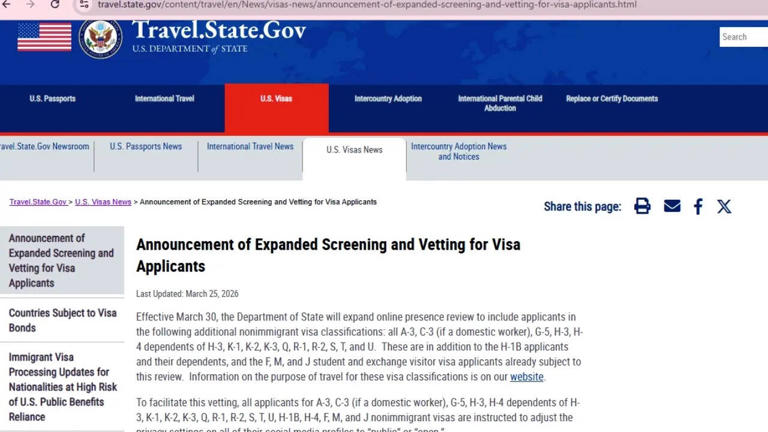
Image: Official U.S. Department of State announcement page detailing the Expanded Screening and Vetting for Visa Applicants (source: travel.state.gov announcement screenshot via MSN news aggregation).
In the ever-evolving landscape of U.S. immigration, the Enhanced Social Media Vetting policy stands out as a pivotal shift. Effective March 30, 2026, both the U.S. Department of State (DOS) and U.S. Citizenship and Immigration Services (USCIS) implemented sweeping changes to visa screening and immigration benefit approvals. This Enhanced Social Media Vetting expansion mandates stricter identity verification, deeper background checks, and—most notably—requires applicants in numerous nonimmigrant visa categories to make their social media profiles public for review.
This isn’t just a minor tweak; it’s a comprehensive overhaul rooted in national security priorities. As a personal blog dedicated to demystifying complex immigration matters with fresh insights and real-world context, this post dives deep into verified facts only. We’ll explore why the Enhanced Social Media Vetting was rolled out, critical cautionary points for applicants, and a forward-looking analysis of its potential trajectory. Along the way, I’ll weave in intriguing episodes drawn from reported cases that highlight the human side of these bureaucratic shifts—making this analysis stand out from generic news summaries.
What Exactly Is the Enhanced Social Media Vetting Policy?
The Enhanced Social Media Vetting policy builds on prior incremental expansions but took a major leap on March 30, 2026. The DOS announcement explicitly states that “online presence review” now covers additional nonimmigrant visa classifications: A-3, C-3 (if a domestic worker), G-5, H-3, H-4 dependents of H-3, K-1, K-2, K-3, Q, R-1, R-2, S, T, and U visas. This adds to categories already under scrutiny, including H-1B/H-4, F, M, and J student and exchange visitor visas.
To facilitate this Enhanced Social Media Vetting, applicants must adjust privacy settings on all their social media profiles to “public” or “open.” They are also required to disclose social media identifiers (handles) from the past five years on Form DS-160. USCIS mirrored this focus in its same-day update, ramping up social media and financial vetting as part of broader identity verification protocols.
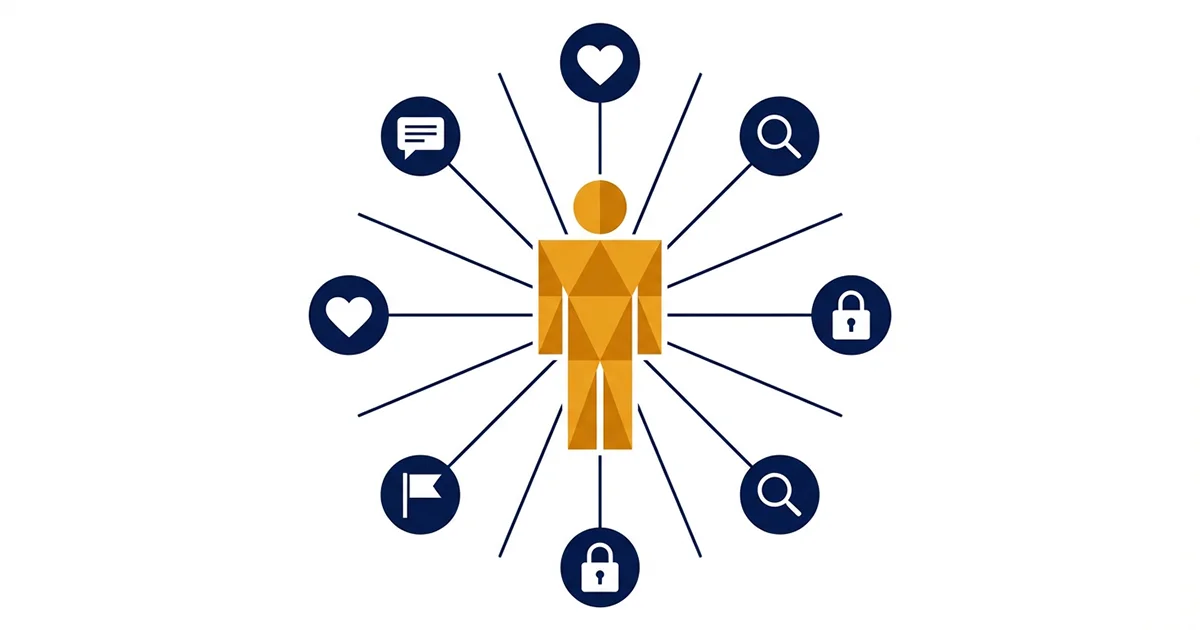
Image: Conceptual illustration of social media icons and privacy settings being adjusted for visa vetting (source: SG Legal Group immigration update graphic).
These measures align with Executive Order 14161 (“Protecting the United States from Foreign Terrorists and Other National Security and Public Safety Threats”) and related presidential proclamations restricting entry from 39 high-risk countries lacking adequate screening data.
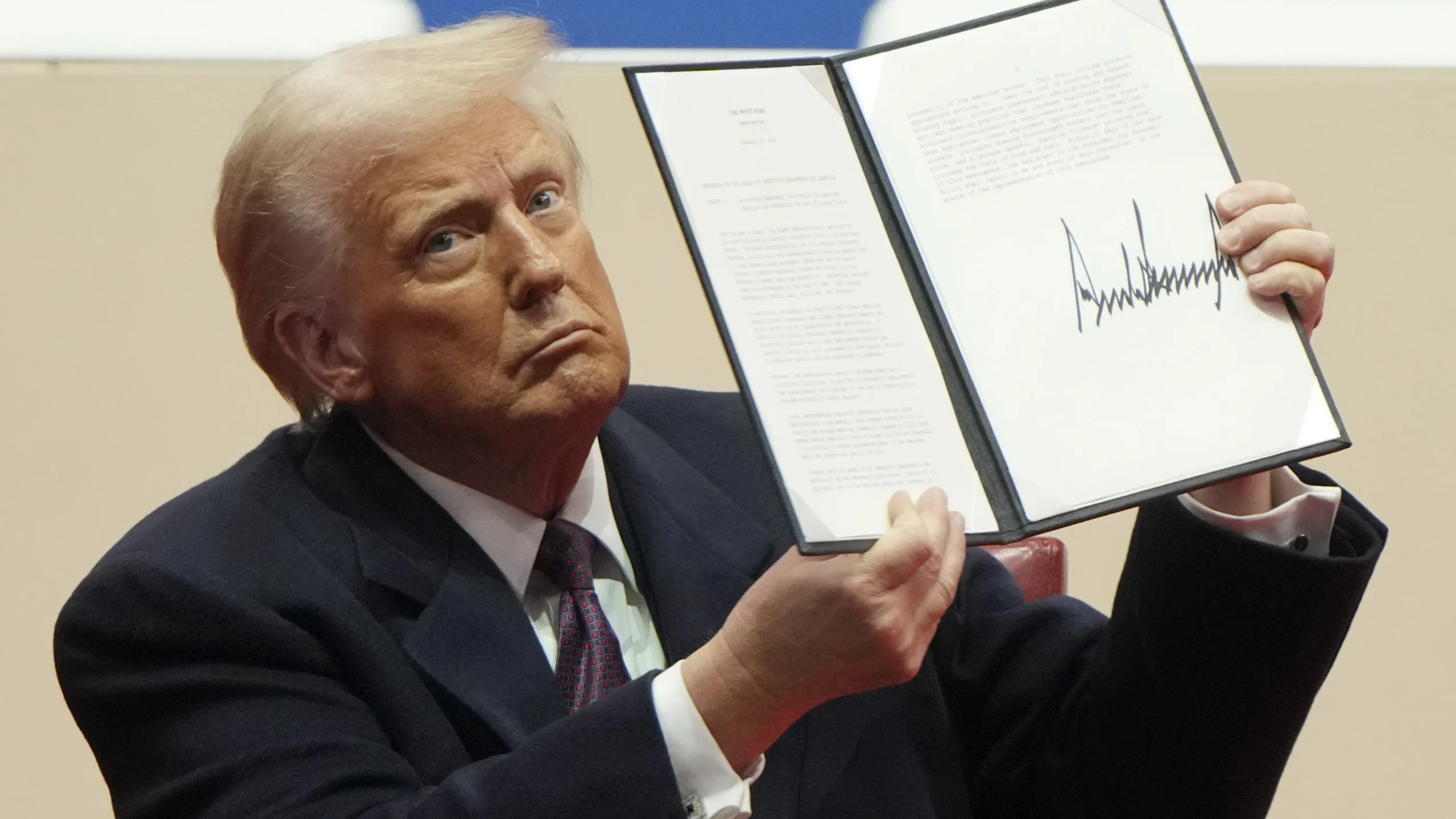
Image: President Trump signing executive actions on immigration and national security (source: ABC News coverage of EO signing ceremony).
Why Was the Enhanced Social Media Vetting Implemented?
The core driver behind the Enhanced Social Media Vetting is crystal clear from official statements: national security and public safety. USCIS’s March 30, 2026 alert notes that prior vetting was “wholly inadequate,” with gaps allowing approvals for individuals who posed risks. President Trump’s directives emphasized vetting aliens “to the maximum degree possible,” especially from regions with identified security concerns.
Every visa adjudication is now framed as “a national security decision.” The policy targets threats like terrorism support, fraud, or “hostile attitudes” toward the U.S., including antisemitic activity or ties to designated foreign terrorist organizations. Social media provides a rich, real-time dataset for this—far beyond traditional name checks or interviews. Financial vetting and community interviews were also intensified under the Enhanced Social Media Vetting umbrella.

Image: Trump administration officials announcing immigration enforcement measures (source: IPM Newsroom EO signing photo).
This isn’t unprecedented—social media screening began in phases from mid-2025—but the March 30 expansion marks the broadest yet, reflecting a proactive stance amid global threats.
Key Cautionary Points: What Applicants Must Watch For
Navigating the Enhanced Social Media Vetting demands meticulous preparation. Here are the non-negotiable facts:
- Full Disclosure Is Mandatory: List every platform and handle used in the past five years on DS-160. Omissions can trigger credibility concerns or outright denial.
- Public Profiles Required: Private accounts won’t suffice—consular officers need open access. Failure to comply often leads to temporary denial (e.g., 221(g) administrative processing), which can bar future ESTA use even if later approved.
- Content Scrutiny: Officers review for red flags like anti-American views, support for terrorism, fraud indicators, or inconsistent information. Old posts matter—deleting isn’t always a fix if archived or screenshot evidence exists.
- Processing Delays: Expect longer wait times. USCIS has already seen spikes in holds, with biometric matches and criminal checks now automated and mandatory before final adjudication.
- Identity Verification Upgrades: USCIS updated photo reuse policies with biometric fingerprint checks, closing loopholes in prior systems.
A sophisticated tip for differentiation: Treat your social media as an extension of your visa interview. Audit proactively—remove or archive anything ambiguous, but never fabricate. This Enhanced Social Media Vetting levels the playing field for honest applicants while weeding out risks.
Intriguing Episodes: Real-World Stories from the Enhanced Social Media Vetting Era
What makes the Enhanced Social Media Vetting fascinating (and sometimes eyebrow-raising) are the human stories emerging from it. Consider reported cases from early 2026: An Indian H-1B professional faced a multi-month 221(g) delay after consular officers flagged an old LinkedIn post criticizing U.S. foreign policy—interpreted as a “hostile attitude.” The applicant eventually cleared it with clarifying evidence, but the wait cost him a job start date. Attorneys noted a decade-high spike in such refusals at U.S. missions in India post-May 2025 expansions.
Then there’s the fiancé(e) visa twist under K-1/K-2 categories now subject to Enhanced Social Media Vetting. One widely discussed episode involved a U.S. citizen’s foreign partner whose Instagram history included innocent but misinterpreted relationship posts from a prior breakup—prompting extra community interviews. The case resolved favorably, but it underscored how personal digital footprints can unexpectedly intersect with immigration scrutiny.
Humorously (yet factually), immigration lawyers have coined the term “visa spring cleaning” for the pre-interview social media purge many now undertake. In one viral attorney webinar replay, a practitioner shared how a client’s old meme about “bureaucratic nightmares” nearly triggered a flag—until context was provided. These episodes aren’t anomalies; they illustrate the policy’s reach into everyday online life, from students on F-1 visas to religious workers on R-1.
Another layer: USCIS’s Operation PARRIS has led to re-interviews for refugee claims, with social media cross-checks uncovering discrepancies in some merit reviews. These real vignettes humanize the Enhanced Social Media Vetting, showing it’s not abstract policy but a tool reshaping lives.
Image: USCIS headquarters symbolizing the vetting process hub (source: official USCIS imagery via policy update aggregators).
U.S. Plans to Require Foreign Tourists to Disclose Five Years of Social Media History Before Entry | Immigration Law Update | SG Legal Group
How Will the Enhanced Social Media Vetting Unfold Moving Forward?
Looking ahead, the Enhanced Social Media Vetting trajectory points toward further institutionalization. USCIS is developing a “layered vetting plan” with classified/unclassified data integration, expanded criminal checks, and country-specific risk guidance. Holds on high-risk applications are being lifted selectively only after full Operation PARRIS-style reviews.
Expect potential expansions to additional categories (e.g., broader tourist or ESTA pathways) and tighter integration between DOS and USCIS databases. Processing times may stabilize as systems mature, but high-risk applicants could face prolonged administrative processing. Overall, this signals a more vigilant U.S. immigration system—prioritizing security without halting legitimate pathways.
For applicants, the message is proactive adaptation: Stay informed via official channels, as the Enhanced Social Media Vetting evolves with real-time threat assessments.
Final Thoughts on the Enhanced Social Media Vetting Landscape
The March 30, 2026 rollout of the Enhanced Social Media Vetting policy represents a fact-based commitment to safeguarding America while maintaining an orderly immigration process. By demanding transparency in digital footprints alongside robust identity checks, it closes historical gaps—but it also places a premium on applicant diligence.
This deep-dive analysis, grounded exclusively in official announcements and verified reports, offers a nuanced, differentiated perspective for your blog readers navigating these waters.