The New York Times recently reported on the Trump administration’s push to dramatically expand denaturalization efforts, aiming to strip U.S. citizenship from hundreds of naturalized Americans. This development, part of a broader immigration crackdown, has sparked intense debate about the security of citizenship for foreign-born individuals who have already completed the naturalization process.

The New York Times headquarters in New York City, where in-depth reporting on U.S. policy unfolds daily (Image credit: Alamy).
Denaturalization in the Spotlight: What the NYT Revealed
The core of the New York Times reporting centers on internal Justice Department moves to accelerate denaturalization cases. In April 2026, the DOJ identified 384 foreign-born Americans whose citizenship it seeks to revoke and began assigning these cases to regular prosecutors in 39 U.S. attorney’s offices nationwide, rather than limiting them to specialized immigration litigators. This shift could lead to a significant surge in successful revocations.
Earlier, in December 2025, the administration issued guidance to U.S. Citizenship and Immigration Services (USCIS) field offices, directing them to supply the Office of Immigration Litigation with 100-200 denaturalization cases per month during fiscal year 2026. For context, only about 120 such cases were filed from 2017 through early 2025. If met, this quota would represent a massive escalation in modern U.S. history, where denaturalization has historically averaged just 11 cases per year between 1990 and 2017.
Denaturalization refers to the civil process of revoking citizenship obtained through naturalization, typically when evidence shows fraud or misrepresentation in the application process—such as concealing criminal history, membership in certain groups, or providing false information. It requires court proceedings and is distinct from deportation of non-citizens. The administration frames this as a targeted effort to “root out criminal aliens defrauding the naturalization process,” prioritizing cases involving serious crimes, gang ties, or national security concerns.
U.S. Department of Justice seal, symbolizing the agency driving the current expansion of denaturalization cases (Image credit: Official DOJ imagery via news sources).
Background: From Rare Tool to Policy Priority
Denaturalization has deep historical roots in U.S. law but was used sparingly for decades. In the early 20th century, it targeted political radicals and those deemed disloyal. A famous example involves Emma Goldman, the prominent anarchist and activist known as “Red Emma.” In 1919, she was denaturalized and deported to Russia aboard the “Red Ark” for her anti-war and revolutionary views—highlighting how citizenship could once be revoked for ideological reasons during periods of national anxiety.

Portrait of Emma Goldman, the fiery anarchist whose denaturalization and deportation in 1919 became a landmark case in U.S. immigration history (Image credit: PBS American Experience).
In the mid-20th century, denaturalization focused on Nazi war criminals and collaborators who had hidden their pasts to enter the U.S. after World War II. These cases often involved painstaking investigations by the DOJ’s Office of Special Investigations, resulting in the revocation of citizenship for individuals who had committed atrocities abroad but lived quietly as Americans for decades.
The modern resurgence began during Trump’s first term, with the creation of a dedicated denaturalization section in the DOJ. Critics argued it treated naturalized citizens as second-class, while supporters viewed it as restoring integrity to the system. The current push builds on that foundation, amplified by internal memos and quotas, amid a wider immigration enforcement agenda that includes heightened scrutiny of naturalization applications.
One lighter, almost ironic historical footnote: Naturalization ceremonies themselves are often grand, emotional events filled with pomp—new citizens swearing the Oath of Allegiance, waving small American flags, and sometimes even held in iconic locations like national parks. Imagine the contrast: a joyful swearing-in at the Grand Canyon, only for some to later face revocation proceedings years afterward.
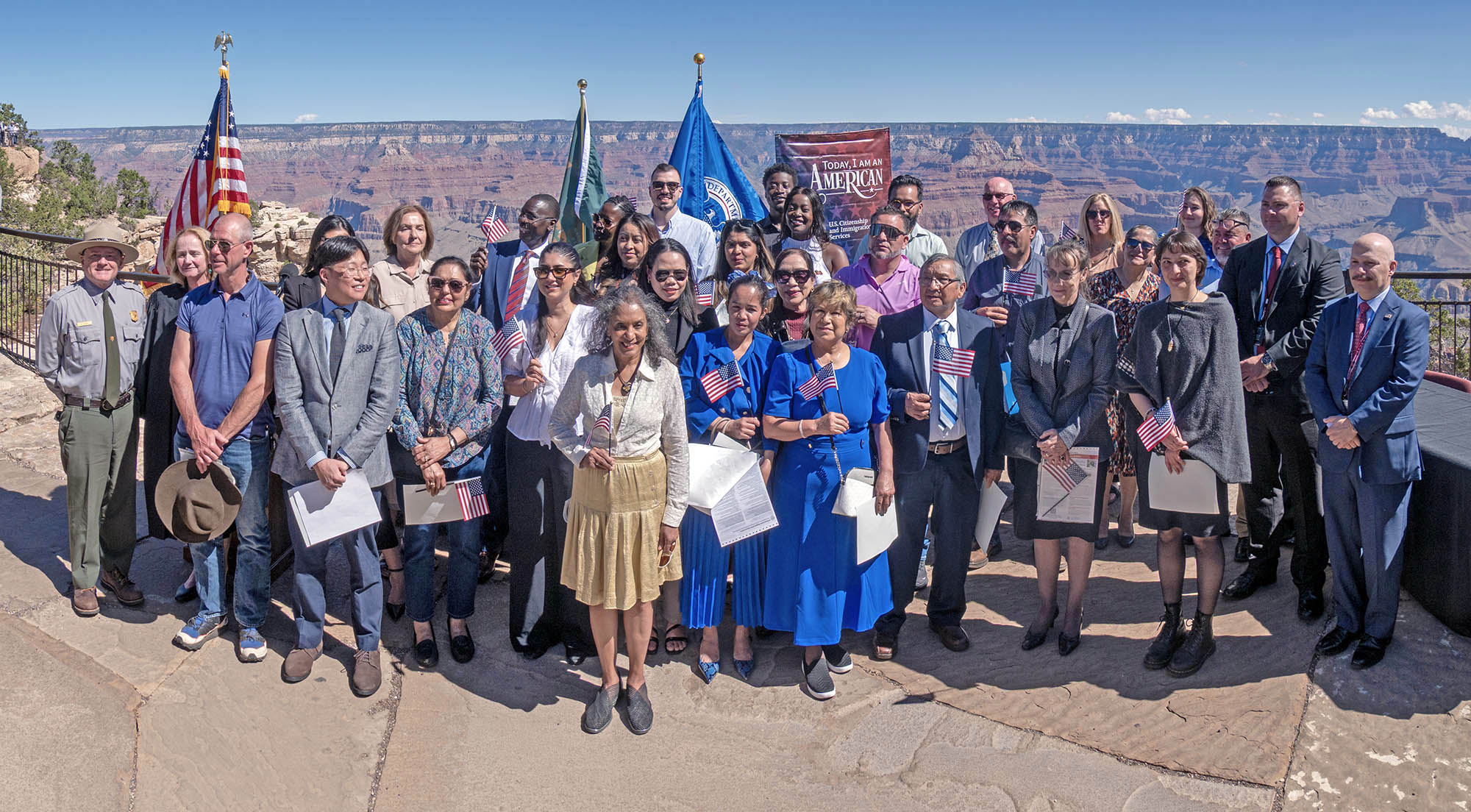
Grand Canyon National Park Hosts Naturalization Ceremony Welcoming 29 New U.S. Citizens (U.S. National Park Service)
New U.S. citizens pose at the Grand Canyon after a naturalization ceremony, capturing the pride and celebration many immigrants experience upon gaining citizenship (Image credit: National Park Service).
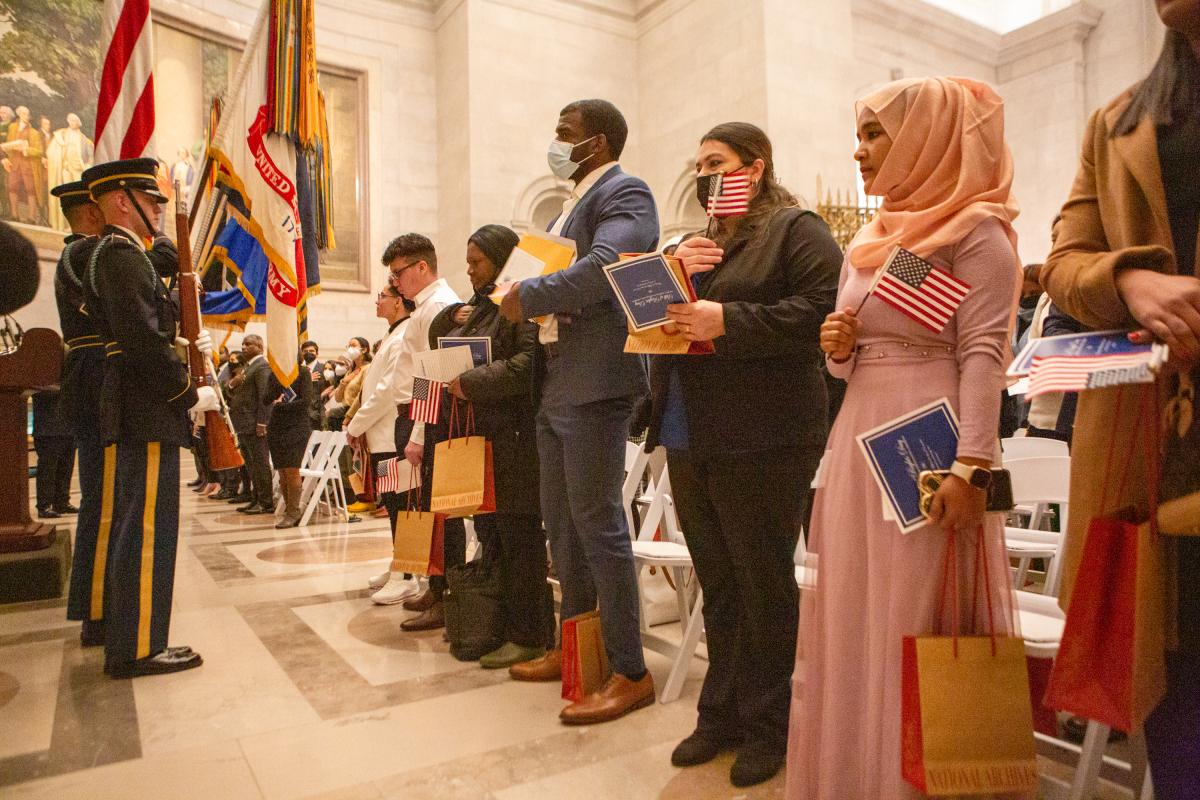
Diverse group of immigrants taking the Oath of Allegiance during a formal naturalization ceremony in the U.S. (Image credit: National Archives).
Implications for Immigrants’ Future: Uncertainty in the American Dream
For naturalized citizens and aspiring immigrants, the expanded denaturalization efforts introduce a layer of long-term uncertainty. While the administration emphasizes fraud-based cases, the scale—hundreds of referrals monthly—raises questions about due process, potential overreach, and the chilling effect on legal immigration. Naturalized citizens theoretically enjoy the same constitutional protections as native-born Americans, including the right to due process in federal court. However, the process can be lengthy, costly, and emotionally devastating, potentially leading to deportation after revocation.
Immigration advocates warn that minor errors on decades-old applications could be weaponized, while officials stress that only those who “unlawfully obtained” citizenship are targeted. In practice, the future for many foreign-born Americans may involve greater self-scrutiny of their immigration histories, hesitation among green card holders to pursue naturalization, and heightened anxiety in immigrant communities.
A humanizing episode comes from everyday stories of naturalized citizens who built lives in America: families starting businesses, serving in the military, or contributing to science and culture. One can picture a Somali-American community leader in Minnesota—mentioned in related reporting as a group under occasional scrutiny—or a Venezuelan professional whose citizenship was challenged over past discrepancies, only to fight back in court. These cases often unfold quietly but underscore the stakes: losing citizenship means losing voting rights, passport privileges, and the security of calling America home permanently.
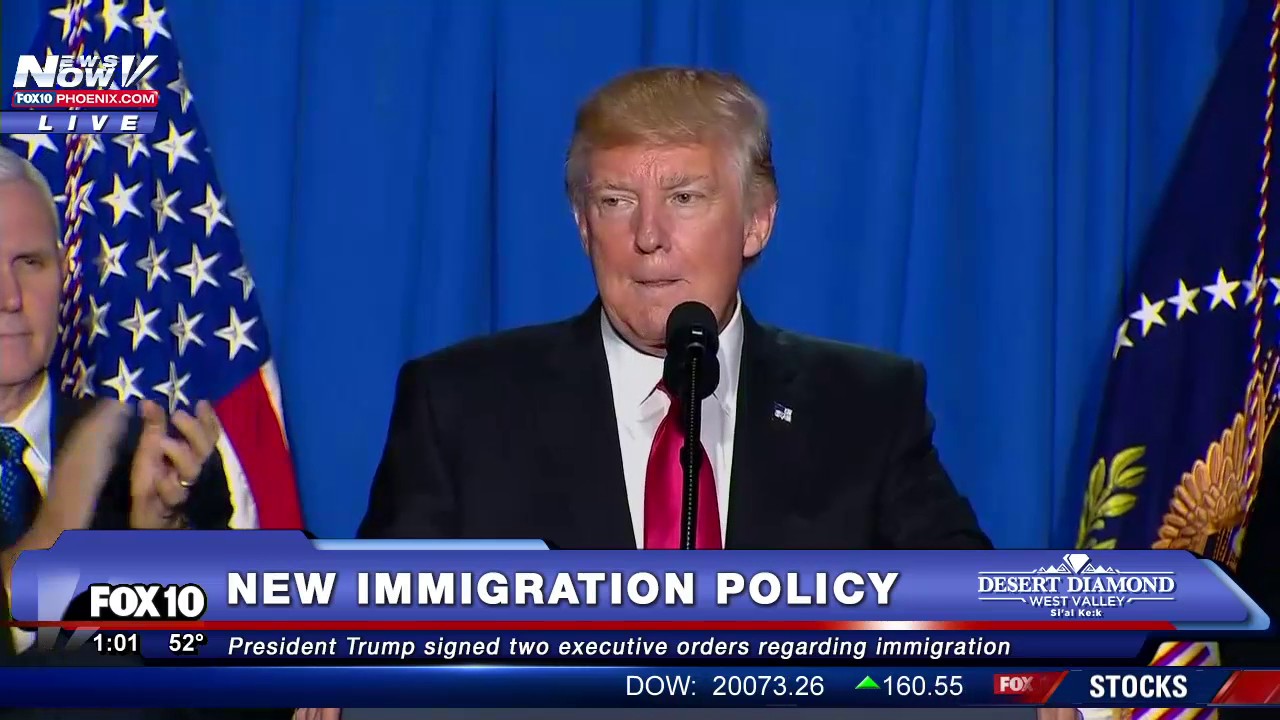
President Donald Trump addressing immigration policy, a recurring theme in his administrations that now includes accelerated denaturalization (Image credit: News footage).
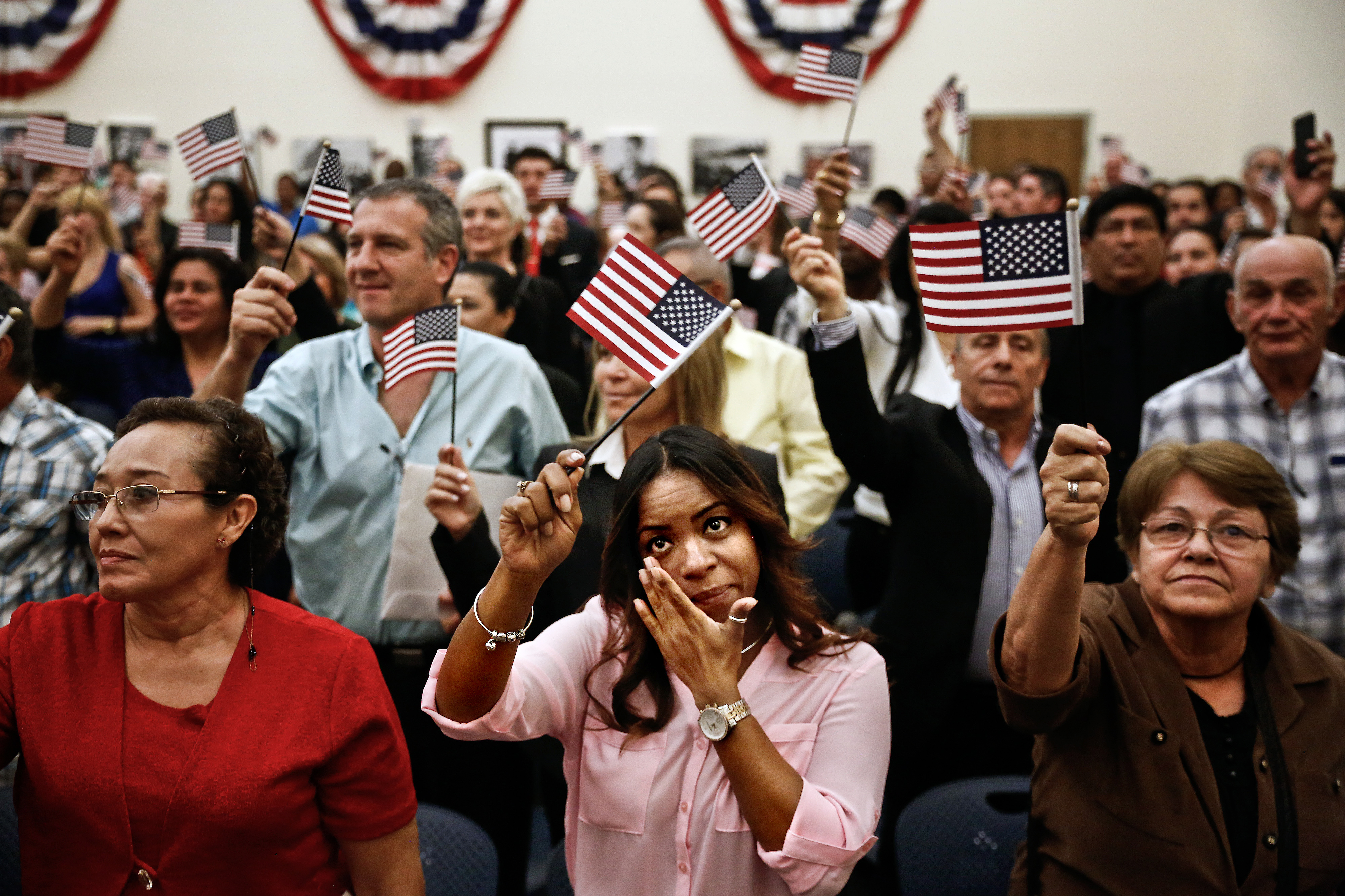
New citizens waving American flags with emotion during a naturalization event, illustrating the deep personal investment in becoming American (Image credit: The Atlantic).
This policy fits into a broader pattern of immigration enforcement, but its focus on those who have already “earned” citizenship through the legal process makes it particularly noteworthy—and controversial.
A Balanced View on a Complex Issue
The New York Times coverage provides detailed sourcing from internal documents and officials, painting a picture of systematic escalation. Facts show a clear ramp-up in targets and resources dedicated to denaturalization. Whether this restores “integrity” to the system or risks eroding the finality of citizenship remains a matter of perspective, rooted in legal precedents and policy priorities.
For those following U.S. immigration closely, staying informed through primary sources is essential, as outcomes will depend on court rulings, prosecutorial discretion, and potential legislative responses.
Main sources for this post (public reporting as of April 2026):
- The New York Times article from April 23, 2026: Trump Administration Aims to Strip Citizenship From Hundreds of Naturalized Americans
- The New York Times article from December 17, 2025: Trump Administration Aims to Strip More Foreign-Born Americans of Citizenship