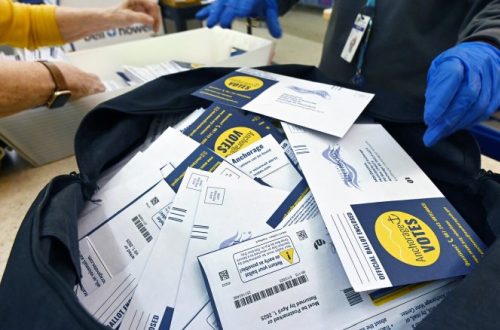
In September 2025, the Trump administration launched Project Firewall, a sweeping enforcement initiative targeting H-1B visa abuse and putting American workers first. This bold move has triggered a surge in on-site inspections, stricter scrutiny of third-party placements, and multi-agency crackdowns on fraud. For anyone following skilled immigration, Project Firewall marks a pivotal shift in how the H-1B visa program operates—one that aims to restore integrity while ensuring high-skilled jobs go to qualified Americans whenever possible.
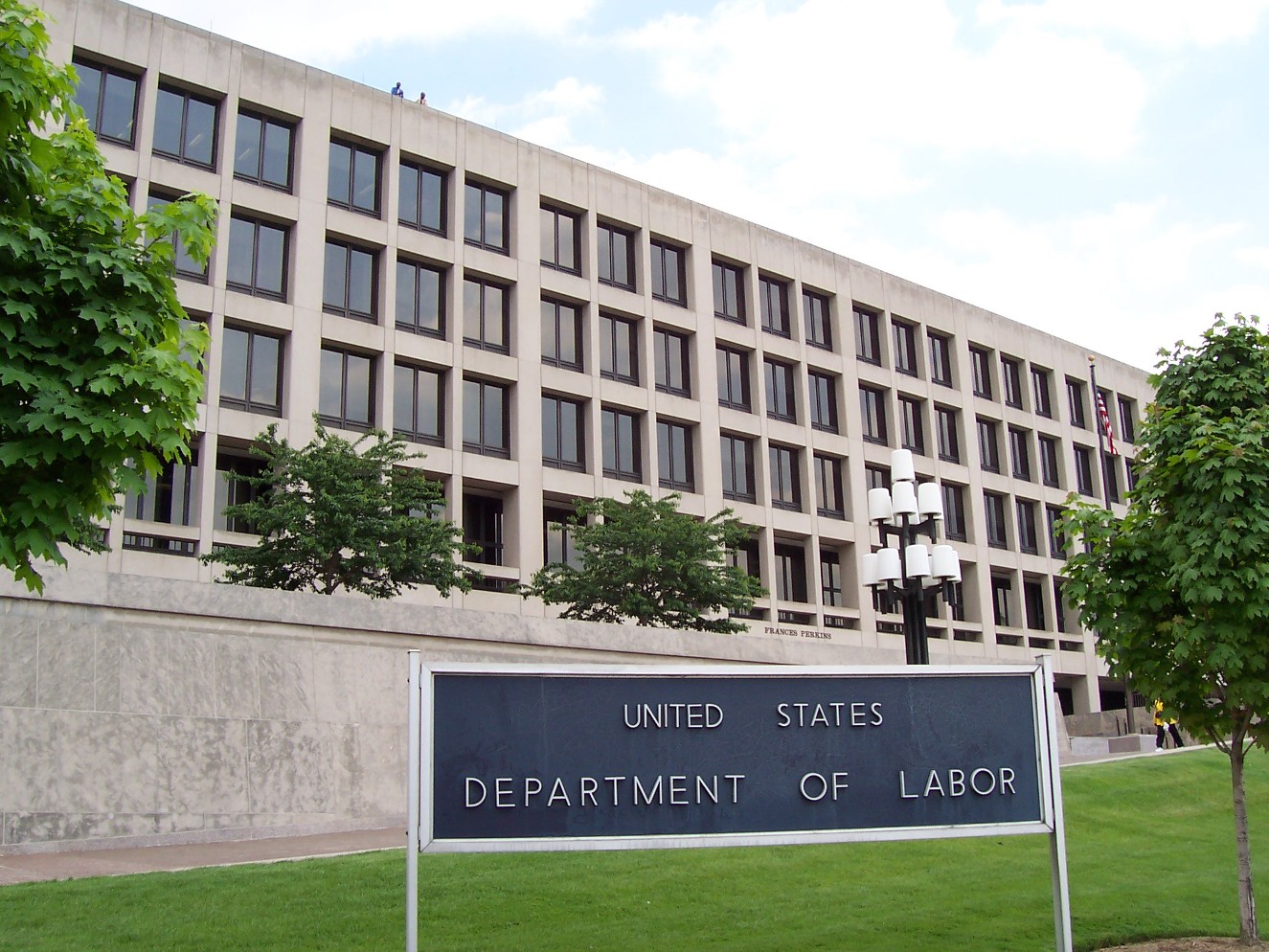
(Image description: The Frances Perkins Building, headquarters of the U.S. Department of Labor in Washington, D.C., where Project Firewall was announced on September 19, 2025. en.wikipedia.org)
What Exactly Is Project Firewall and Why Does It Matter for the H-1B Visa Program?
Project Firewall, unveiled by the Department of Labor (DOL) on September 19, 2025, partners with USCIS, the EEOC, and the Department of Justice to root out H-1B visa fraud and abuse. The initiative focuses on wage violations, worksite misrepresentation, benching (failing to pay workers when no projects exist), and displacement of U.S. employees.
By late 2025, DOL reported over 175 active investigations and $15 million in assessed back wages. Random site visits have skyrocketed, especially at third-party client locations where many H-1B visa holders work for outsourcing firms. Secretary of Labor Lori Chavez-DeRemer stated the goal clearly: “ensuring employers prioritize qualified Americans when hiring workers and holding employers accountable if they abuse the H-1B visa process.”
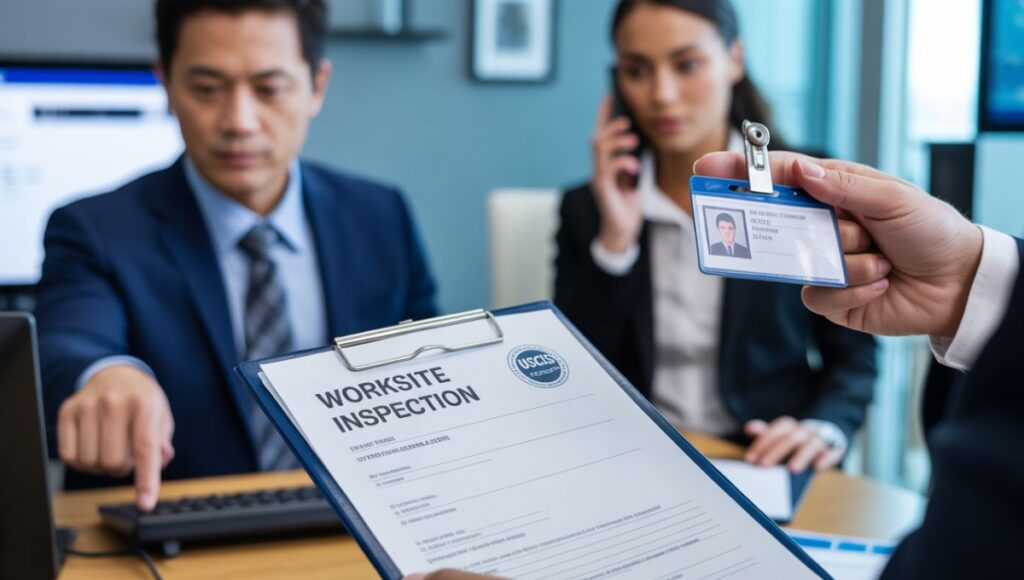
(Image description: USCIS officers reviewing documents during a worksite inspection—now a common sight under Project Firewall’s enhanced enforcement for H-1B visa compliance. immigrationfleet.com)
This isn’t symbolic. Employers face back wages, civil penalties up to $10,000+ per violation, and potential debarment from the H-1B visa program. The same day Project Firewall launched, President Trump issued a proclamation imposing a $100,000 one-time entry fee on new H-1B visa petitions for workers outside the U.S. (subject to national-interest waivers and legal challenges).
The Rich History of the H-1B Visa: From Post-WWII Roots to Modern Tech Staple
The H-1B visa story begins in 1952 with the Immigration and Nationality Act, which created the original H-1 category for “distinguished merit and ability.” The modern H-1B visa took shape in the Immigration Act of 1990, capping annual issuances at 65,000 (plus 20,000 for U.S. advanced-degree holders) for specialty occupations requiring at least a bachelor’s degree or equivalent.

(Image description: Historical chart showing H-1B visa approval trends and denial rates from 2009–2022, highlighting the program’s explosive growth amid lottery oversubscription. conormclaughlin.net)
Approvals exploded in the 1990s tech boom, reaching hundreds of thousands annually when including extensions. By FY2024, nearly 400,000 H-1B visa applications were approved—most renewals. The lottery system, introduced due to massive oversubscription, became infamous for its randomness. Cap-subject petitions often see 400,000+ registrations for just 85,000 slots.
Fun historical aside: In the early 2000s, the cap temporarily rose to 195,000 under business pressure, only to revert in 2004—sparking the “H-1B season” frenzy every April that immigration lawyers still joke about as their busiest (and most caffeinated) time.
Shocking Episodes of H-1B Visa Misuse: The Real Stories Behind the Headlines
Project Firewall didn’t emerge in a vacuum. Decades of documented H-1B visa abuse fueled it. One of the most infamous cases unfolded at Disney in 2015: approximately 250 American IT workers received pink slips, then watched as H-1B visa holders from outsourcing firms like Cognizant took their desks—while the laid-off Americans were forced to train their replacements. The scandal sparked congressional hearings, lawsuits, and national outrage. “Last task after layoff at Disney: Train foreign replacements,” read one viral New York Times headline.

(Image description: Iconic Disney castle backdrop symbolizing the 2015 scandal where U.S. workers trained H-1B visa replacements before being displaced. hollywoodreporter.com)
Another eye-opener involved HCL Technologies. A whistleblower lawsuit alleged the India-based firm systematically underpaid thousands of H-1B visa workers placed at Disney, Google, FedEx, and others—stealing an estimated $95 million annually in wages by violating Labor Condition Application (LCA) requirements. Workers were “benched” without pay while waiting for assignments, a direct breach of H-1B visa rules.
Fraud cases add color (and courtroom drama). In one North Texas probe, companies allegedly registered single-family homes as corporate offices and listed empty buildings as worksites to sponsor dozens of H-1B visas. A California staffing firm was caught charging workers illegal visa fees and benching them. In 2019, a Tracy, California resident faced 21 counts of visa fraud for fabricating Cisco project details on petitions.
Even lottery gaming made headlines: firms colluded to submit multiple registrations for the same beneficiary, prompting DHS fraud investigations. These episodes—widely reported and now fueling Project Firewall audits—highlight how the H-1B visa was sometimes twisted from a tool for genuine talent shortages into a cost-cutting mechanism.

(Image description: Busy Indian IT outsourcing office in a major tech hub, representing the large-scale staffing model often scrutinized under H-1B visa enforcement. ardem.com)
Trump Administration’s America-First Pressure: How Project Firewall Forces Employers to Hire Americans
Project Firewall embodies the administration’s philosophy: the H-1B visa should supplement, not supplant, American talent. Enhanced FDNS site visits now routinely check whether H-1B workers perform the exact duties listed, receive promised wages, and work at approved locations. Refusal to cooperate can lead to petition denial or revocation.
The $100,000 fee (for new entries) and proposed prevailing-wage hikes raise the bar dramatically. A new weighted lottery (effective for FY2027) prioritizes higher-skilled, higher-paid beneficiaries—directly countering low-wage outsourcing strategies. EEOC guidance under Project Firewall warns against job postings that implicitly favor H-1B visa holders over Americans.
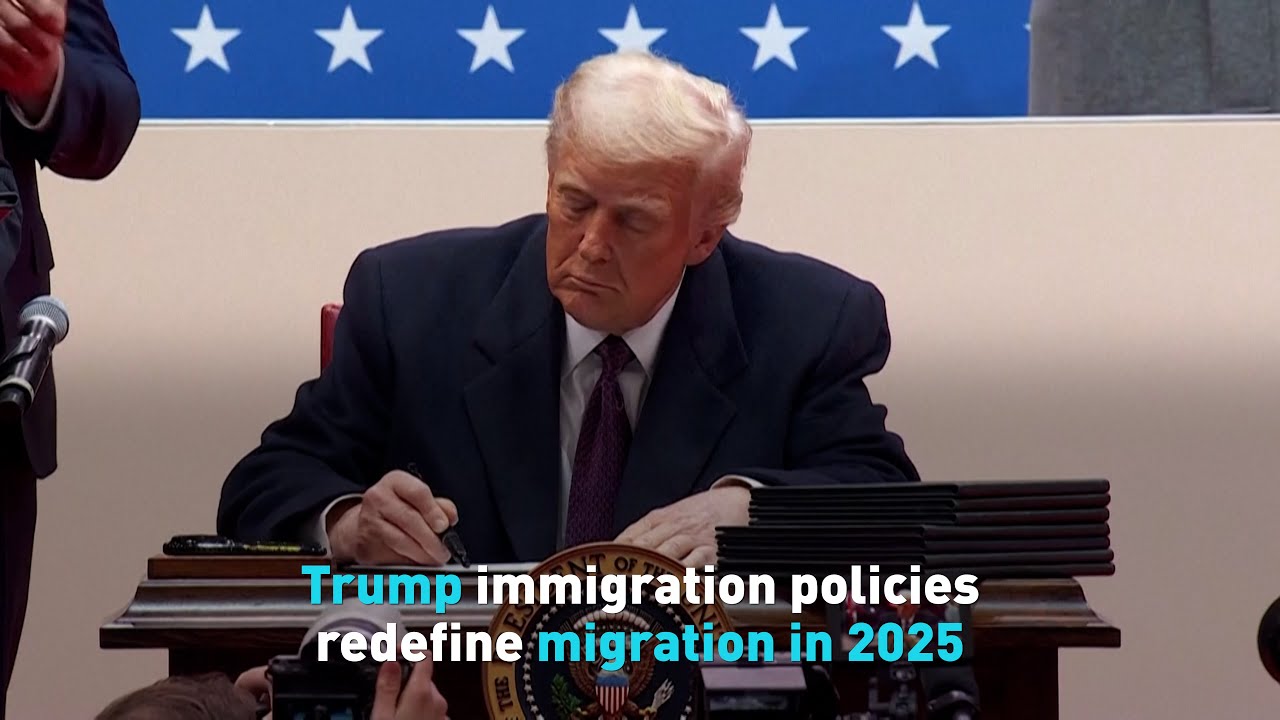
(Image description: President Trump at the Resolute Desk signing immigration-related actions, underscoring the policy momentum behind Project Firewall and H-1B visa reforms. youtube.com)
Silicon Valley anecdotes abound: recruiters now joke that “Project Firewall” means every third-party placement needs ironclad documentation. One tech executive privately admitted, “We used to treat H-1B as cheap offshore-onshore arbitrage. Those days are ending fast.”
The Future of the H-1B Visa: Tighter, Fairer, or Transformed Under Project Firewall?
Looking ahead, Project Firewall signals permanence. Expect continued random audits, data-driven targeting of high-volume users (especially outsourcing giants), and possible further rulemaking on employer-employee relationships. The $100,000 fee faces lawsuits from states, but the enforcement infrastructure is already built.
Optimists see a merit-based evolution: fewer lottery games, more focus on truly additive talent in AI, semiconductors, and advanced manufacturing. Pessimists worry about talent shortages in niche fields. Reality likely lands in between—H-1B visa numbers may stabilize or modestly decline for low-wage placements, while genuine high-skill petitions sail through faster.
One thing is certain: under Project Firewall, the H-1B visa program is no longer a regulatory backwater. Employers ignoring American-worker priorities do so at their peril.
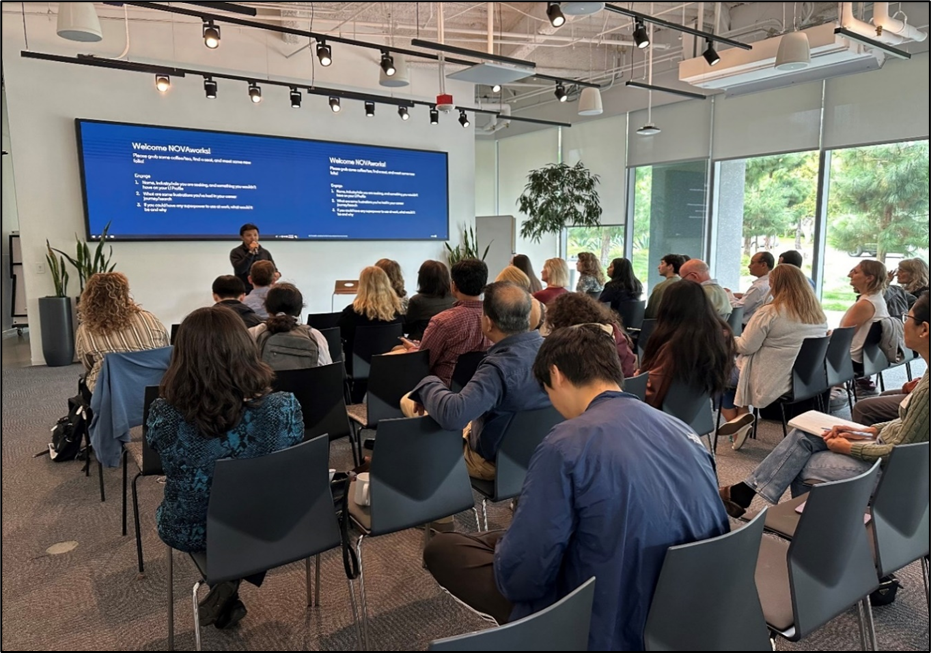
(Image description: American tech professionals in a modern Silicon Valley-style training session—symbolizing the skilled workforce Project Firewall aims to protect and empower. edd.ca.gov)
Sources & Links:
- U.S. Department of Labor Official Announcement: Project Firewall Launch
- White House Proclamation on $100,000 Fee: Restriction on Entry of Certain Nonimmigrant Workers
- USCIS H-1B Employer Data Hub and History: USCIS H-1B Resources
- Wikipedia H-1B Visa (cross-verified with primary sources): H-1B Visa Overview
- Disney Scandal Coverage (New York Times archive): Search “Disney H-1B layoffs 2015”
- EPI Report on HCL Wage Issues: Economic Policy Institute Analysis
This deep-dive into Project Firewall, H-1B visa history, documented abuse cases, and the administration’s push for American workers offers a comprehensive, fact-based perspective you won’t find in surface-level news. Perfect for sharing with colleagues or bookmarking as reforms continue unfolding.