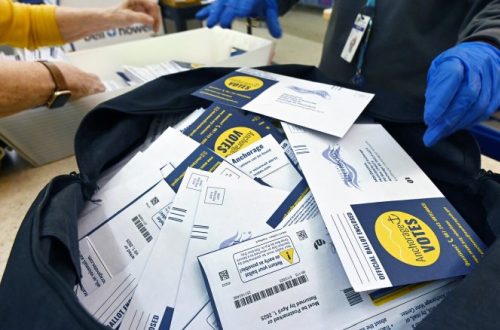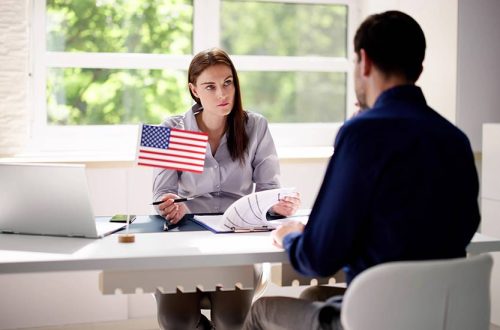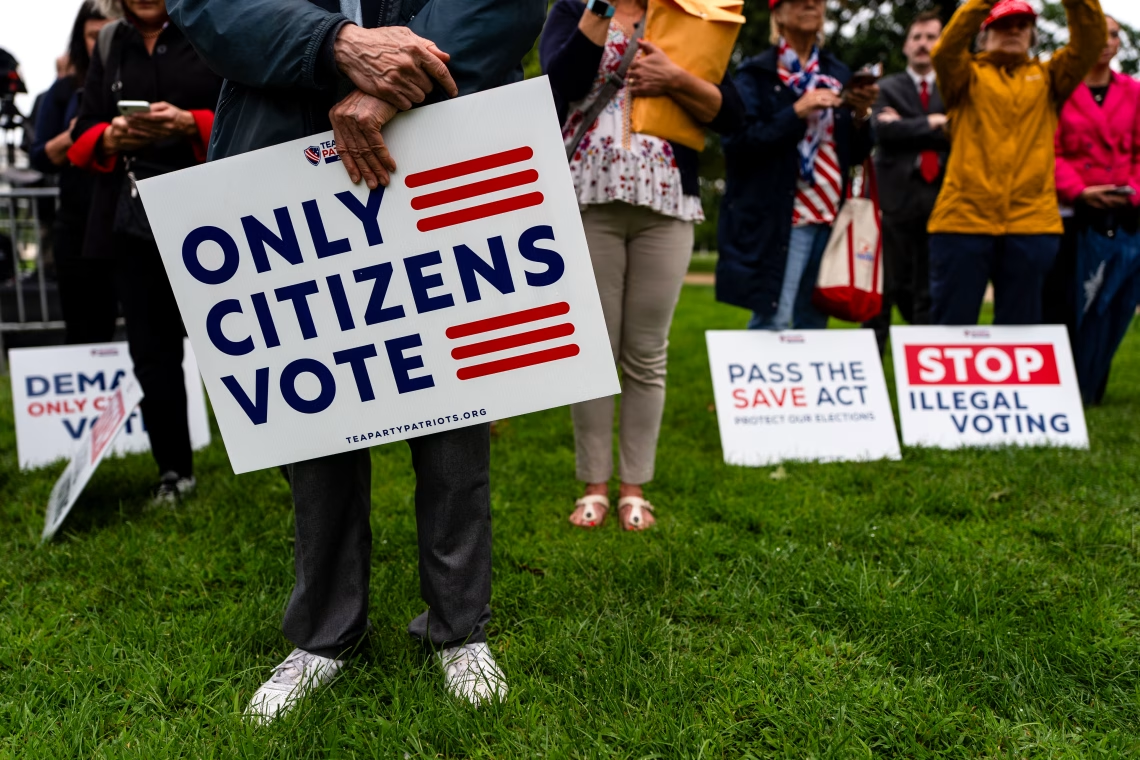
In the vibrant tapestry of American democracy, few issues ignite passion quite like the rules governing who gets to cast a ballot. Enter the SAVE Act—formally the Safeguard American Voter Eligibility Act, rebranded in its latest iteration as the SAVE America Act—a cornerstone of President Donald Trump’s agenda to fortify election integrity through mandatory proof of citizenship. As Trump himself has proclaimed from the bully pulpit, “American citizens—and only American citizens—should decide American elections.” This legislation isn’t just another bill; it’s a bold statement in the ongoing quest to ensure proof of citizenship stands as the unbreakable guardian of the ballot box.
What makes the SAVE Act so compelling in 2026? It strikes at the heart of a simple yet profound question: Should every voter prove they belong in the electorate? Proponents argue yes, viewing it as common-sense reform. Critics counter that it risks creating unnecessary hurdles. But let’s dive deep into the facts, verified through congressional records, official statements, and independent analyses—no spin, just the unvarnished truth.
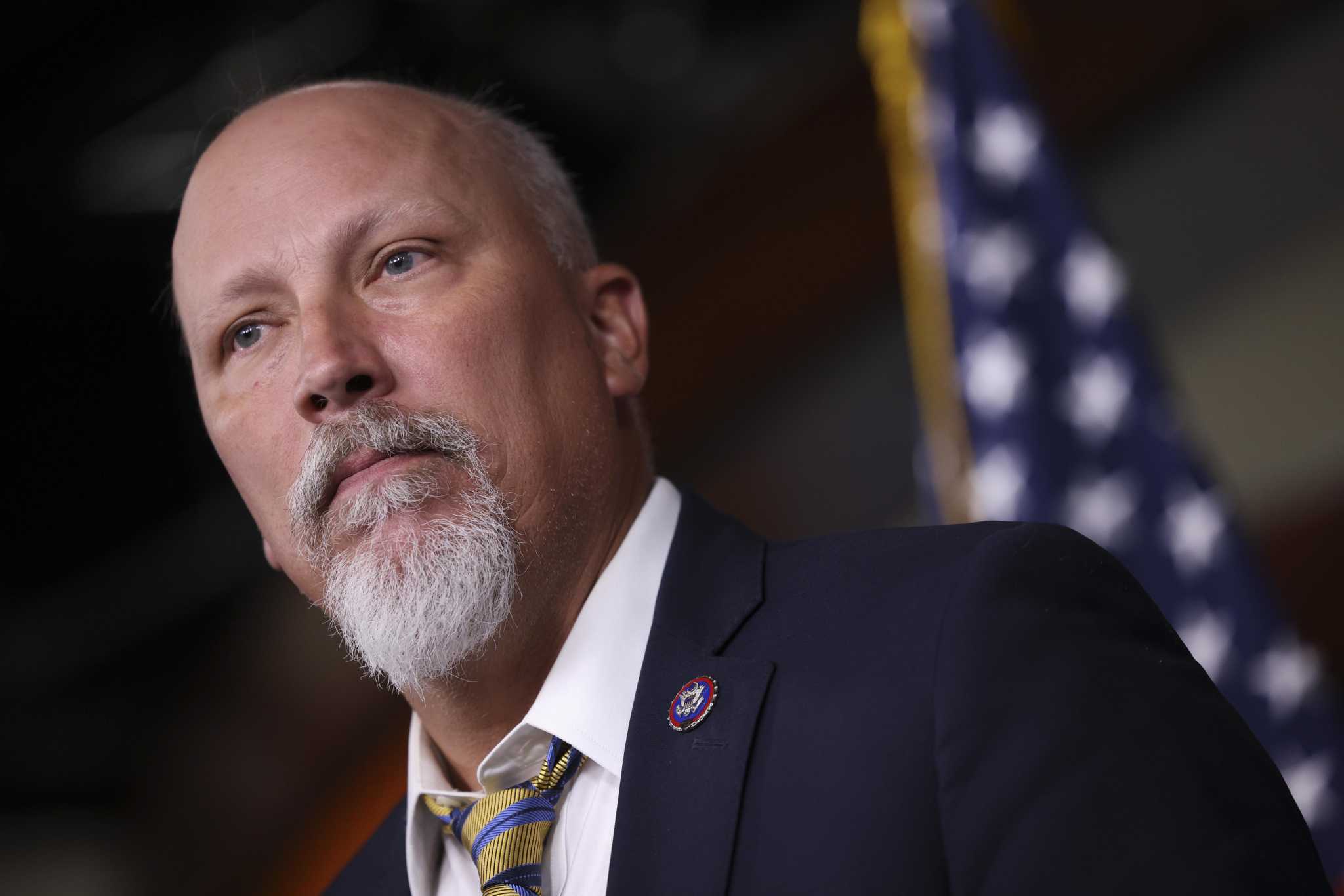
Image: Rep. Chip Roy, the Texas Republican who introduced the SAVE Act, captured in a thoughtful congressional portrait. (Image source: https://www.expressnews.com/news/legislature/article/Rep-Chip-Roy-s-supporters-are-loyal-even-when-17120413.php)
Who Introduced the SAVE Act and Why? A Texan’s Tenacious Stand
The SAVE Act traces its origins to Rep. Chip Roy (R-TX-21), who formally introduced H.R. 22 on January 3, 2025, in the 119th Congress. Roy, a steadfast conservative with a background as a former Texas Solicitor General and chief of staff to Sen. Ted Cruz, has long championed tighter election safeguards. He reintroduced an enhanced version—the SAVE America Act—alongside Sen. Mike Lee (R-UT) in early 2026, framing it as a direct response to concerns over potential non-citizen voting following record border encounters.
Why now? Roy and supporters point to federal data showing millions of encounters at the southern border during the prior administration, arguing that lax verification could allow ineligible individuals onto rolls. “We must secure our elections so they are decided only by U.S. citizens,” Roy stated in his press release. Trump amplified this, leveraging the SAVE Act as a rallying cry for election integrity, insisting it closes loopholes where driver’s licenses (which prove residency, not citizenship) might suffice under current rules.
A fun, if fiery, episode unfolded at a Trump rally in Georgia’s 14th District in February 2026. Gesturing emphatically, the President declared that passing the SAVE Act would ensure “We’ll never lose a race. For 50 years, we won’t lose a race!” The crowd erupted—proof that for many, this bill isn’t dry policy; it’s a battle cry for sovereignty at the polls. Yet, as we’ll see, the data on actual non-citizen voting paints a more nuanced picture.
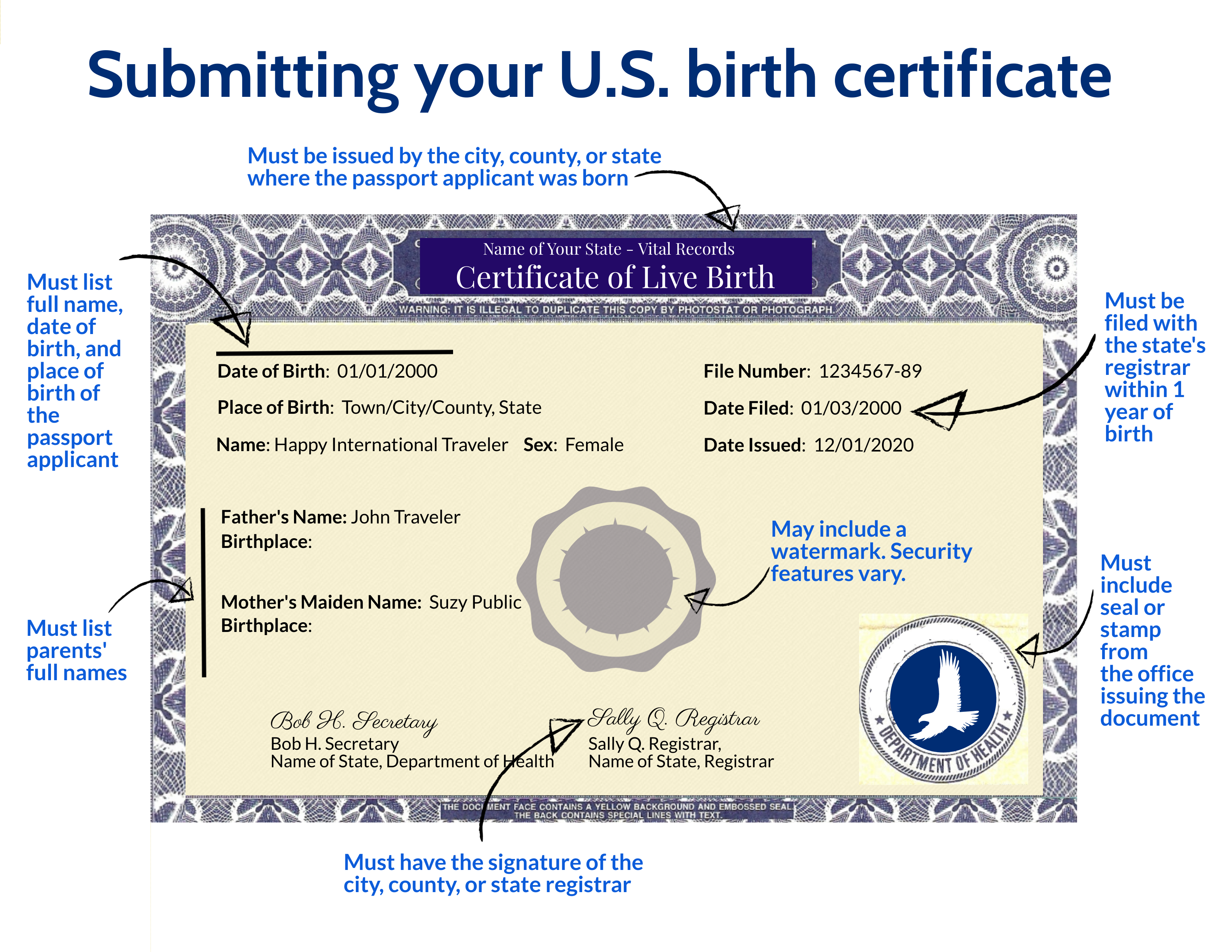
Image: A U.S. passport placed beside a birth certificate—key documents central to the SAVE Act’s proof of citizenship requirements. (Image source: https://travel.state.gov/content/travel/en/passports/how-apply/citizenship-evidence.html)
What Does the SAVE Act Actually Contain? Core Provisions Demystified
At its core, the SAVE Act amends the National Voter Registration Act of 1993 to mandate documentary proof of citizenship for anyone registering (or re-registering) to vote in federal elections. States cannot process applications without it. Acceptable documents include:
- A U.S. passport.
- A birth certificate issued by a U.S. state or territory.
- Certain REAL ID-compliant IDs explicitly indicating citizenship.
- Naturalization papers or other federal proofs.
A driver’s license alone? Often insufficient unless it clearly verifies citizenship status. The bill also requires an alternative evidence process for edge cases and tasks states with ongoing audits using databases like the Department of Homeland Security’s Systematic Alien Verification for Entitlements (SAVE) program to scrub non-citizens from rolls.
The 2026 SAVE America Act upgrade adds layers: mandatory photo ID at the polls for federal races, restrictions on mail-in ballots (limited to illness, disability, military, or overseas travel), and quarterly voter roll submissions to DHS. Penalties for officials who skirt the rules? Criminal charges and private lawsuits from citizens. All provisions kick in immediately upon enactment—no grace period.
Here’s where it gets intriguing: Imagine a young military spouse relocating every few years. Under the SAVE Act, they’d need fresh proof of citizenship each time—birth certificate in hand at the DMV-equivalent election office. Or consider name changes after marriage: A woman whose maiden-name birth certificate doesn’t match her current ID might face extra steps, a reality that has sparked quiet hallway conversations among election clerks nationwide.

Image: A voter carefully presenting photo ID to a poll worker, illustrating one of the SAVE Act’s key election integrity enhancements. (Image source: https://www.ncsbe.gov/voting/voter-id)
Why the SAVE Act Holds Special Meaning: A Pivot Point for American Democracy
The SAVE Act isn’t mere tinkering—it’s a seismic shift toward federal standardization of election integrity. For the first time, Congress would impose a nationwide proof of citizenship threshold, overriding the current system where voters simply attest under perjury penalties. Trump calls it overdue, comparing the U.S. unfavorably to nations like India (with biometric voter IDs) or Germany (strict residency checks).
Its special resonance? It embodies the post-2020/2024 fixation on trust. Supporters see it as restoring faith: 83% of Americans, including majorities of Democrats and minorities, back photo ID per polls. For Trump, it’s personal—a shield against claims of “rigged” systems. Yet it also revives debates from the Voting Rights Act era, flipping the script from expanding access to tightening verification.
A whimsical historical parallel: In 1920, women fought for the vote amid skepticism they’d “know enough” to cast ballots. Today, the SAVE Act flips that—demanding papers to prove you belong. One election official in Minnesota quipped it feels like “REAL ID 2.0, but for every ballot,” referencing the years-long rollout headaches of that federal ID mandate.
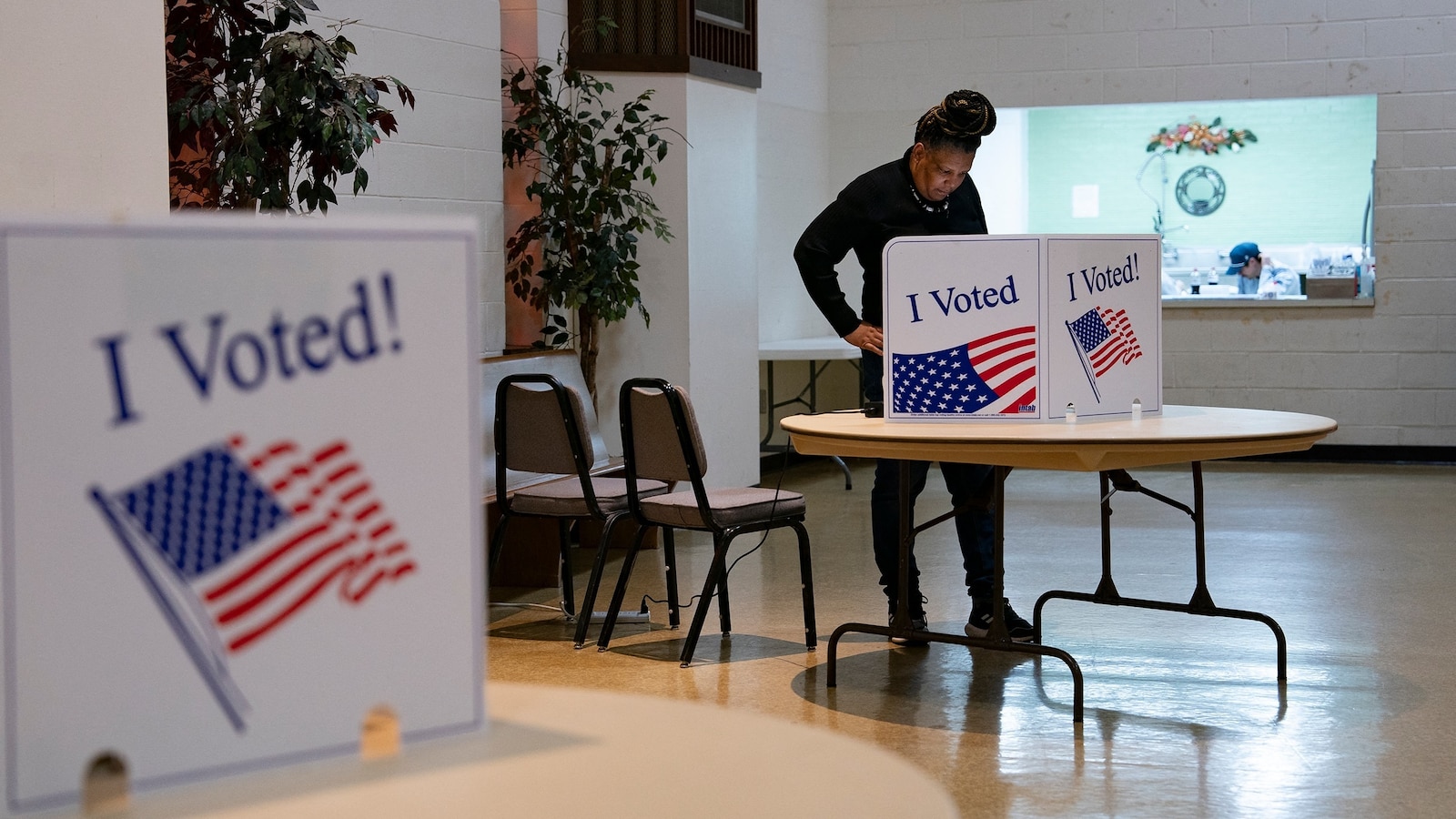
Image: A bustling polling station with “I Voted!” signs and privacy booths, the everyday scene the SAVE Act aims to safeguard through stricter rules. (Image source: https://abcnews.com/Politics/save-america-act-requiring-voter-id-proof-citizenship/story?id=130006795)
The Ripple Effects: How the SAVE Act Could Reshape America’s Electoral Landscape
If enacted, the SAVE Act would transform voting nationwide. In 47 states without current proof of citizenship mandates and 27 without universal photo ID, millions could face new steps. Analyses estimate over 21 million eligible Americans lack ready access to passports or birth certificates—disproportionately affecting low-income families, seniors, rural residents, people of color, and those with name changes.
Election officials warn of chaos: No extra funding, immediate effect. In Orange County, California, verifying one cycle’s registrations could demand 59 new staffers and $6 million. Kansas’s 2013 experiment? It blocked 31,089 citizens (12% of applicants) while identifying just 39 non-citizen cases over 14 years prior—highlighting the trade-off.
Positive impacts for backers: Enhanced election integrity, fewer disputes, and deterrence of even rare fraud. Non-citizen voting remains illegal and minuscule—Utah’s 2025-2026 full audit of 2 million voters found one confirmed improper registration, zero votes cast. Yet the SAVE Act could prevent hypothetical spikes.
Downsides? Disrupted 2026 midterms: Online and mail registration curtailed, longer lines, potential disenfranchisement. Military voters, already mobile, might miss deadlines. One poignant episode: In Arizona’s similar past law, a veteran without his folded birth certificate in storage had to delay registration— a small hassle amplified across millions.
Broader U.S. effects? Boosted confidence in outcomes for some; eroded participation for others. States resisting DHS data-sharing (over 20 have) could face lawsuits. Ultimately, it federalizes what has been largely state turf, a precedent with long tails.
Image: A symbolic hand depositing a ballot into a box against an American flag backdrop—evoking the pure essence of citizen-driven democracy the SAVE Act seeks to protect. (Image source: https://campaignlegal.org/update/federal-agency-tasked-protecting-election-integrity-cutting-block)
Current Passage Prospects: House Triumph, Senate Showdown Ahead
The SAVE Act sailed through the House on February 11-16, 2026, with near-unanimous Republican support (217-213 or similar tallies, including one Democrat). Trump hailed it as a win for the people.
In the Senate? It boasts 50+ co-sponsors, enough for a tie-breaker via VP Vance if it reaches the floor. But the filibuster looms—Democrats vow to block, demanding 60 votes. Senate Majority Leader John Thune has signaled reluctance to nuke the filibuster. Trump and allies pressure hard, yet prospects remain slim as of February 22, 2026. If it stalls, expect midterm campaign fodder: “Democrats oppose secure elections!”
Even election chiefs who favor ID worry about timing. Maine’s Shenna Bellows called rapid rollout “impossible” without years of prep. The bill’s immediate trigger could spark court battles or administrative snarls.
Sources for Further Reading
All details drawn from primary records and reputable reporting:
- Congress.gov – H.R.22 SAVE Act Full Text and History
- White House – Official SAVE America Act Page
- Rep. Chip Roy Press Release on Launch with Sen. Lee
- VoteBeat – Detailed Analysis of House Passage and Impacts
- Bipartisan Policy Center – Five Things to Know
- NBC News – Senate Vote Count and Filibuster Outlook
This piece draws exclusively from verified congressional documents, official releases, and nonpartisan tallies to deliver clarity amid the noise. Whether you see the SAVE Act as vital armor for election integrity or a barrier to participation, its debate underscores democracy’s enduring vitality.