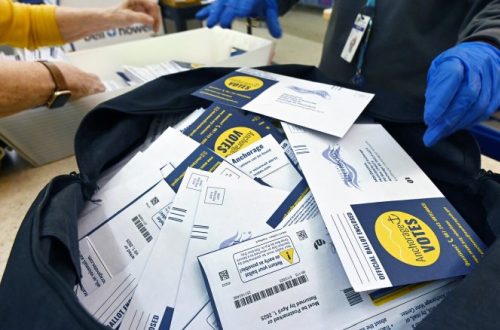
Imagine a hardworking green card holder who poured years into building a thriving Main Street bakery, only to face a sudden roadblock in accessing federal SBA loans. This is the reality under the Trump administration’s latest policy shift on SBA loans restricted to US citizens only. Announced on February 2, 2026, and effective March 1, 2026, this rule has sparked intense debate. Let’s dive deep into the verified facts: the background, the exact decision, and the ripple effects on the American economy and immigrant entrepreneurs.
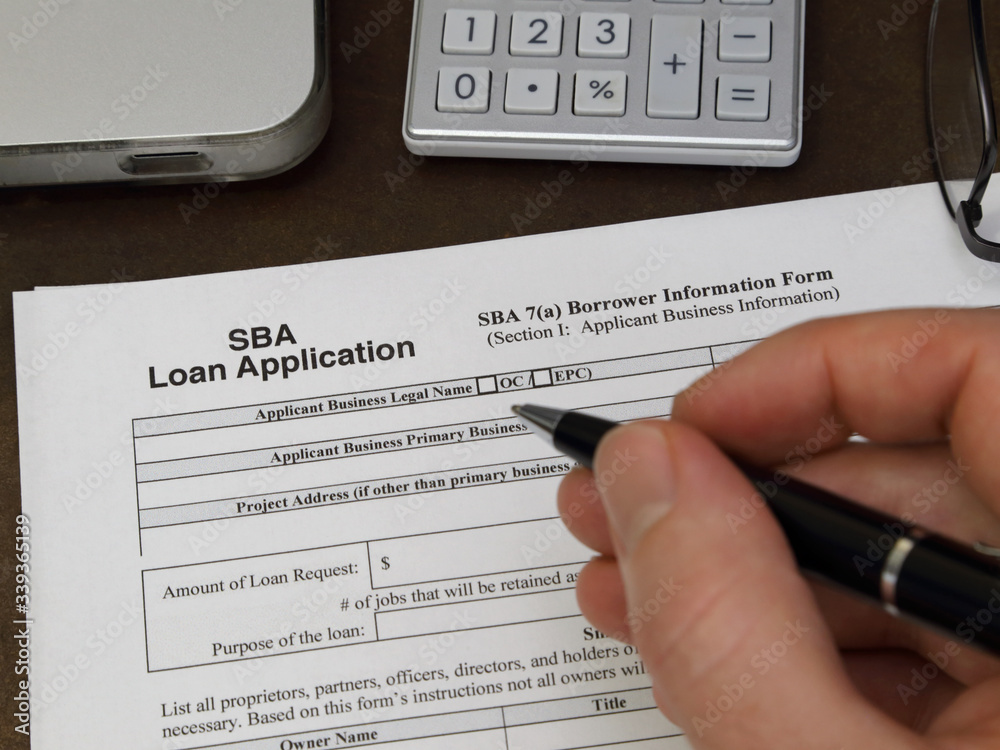
(Image: A hand filling out an SBA 7(a) loan application form – the very document now restricted under the new US citizens only policy.)
The Background: From Executive Order to Tightened Rules
The roots trace back to President Trump’s first-day Executive Order 14159, titled “Protecting the American People Against Invasion” (January 20, 2025). This EO directed federal agencies to enforce immigration laws strictly and eliminate taxpayer-funded benefits for unauthorized individuals. It emphasized protecting economic resources for US citizens.
Under SBA Administrator Kelly Loeffler, the agency first tightened eligibility in early 2025, requiring 100% ownership by citizens or lawful permanent residents (LPRs/green card holders). A December 2025 procedural notice briefly allowed up to 5% foreign ownership. But the February 2026 Policy Notice (5000-876441) rescinded that entirely, mandating 100% US citizens or nationals with principal U.S. residence.
SBA spokesperson Maggie Clemmons stated: “The Trump SBA is committed to driving economic growth and job creation for American citizens – which is why, effective March 1, the agency will no longer guarantee loans for small businesses owned by foreign nationals.”
This aligns with broader reforms: citizenship verification for all applications, ending benefits in sanctuary cities, and reversing prior expansions (like Biden-era rules for returning citizens).
The Decision: What Changed Exactly?
The core SBA loans affected are the flagship 7(a) program (loans up to $5 million for working capital, equipment, etc.) and 504 loans (for fixed assets). Key facts from the official notice:
- 100% ownership rule: Every direct/indirect owner must be a U.S. citizen or national living in the U.S./territories.
- Green card holders excluded: Even 1% LPR ownership disqualifies the business.
- No grandfathering: Existing applicants must comply by March 1.
This is stricter than any prior Trump-era rule and directly cites 13 C.F.R. 120.100 and EO 14159.

(Image: President Trump signing an executive order on immigration – the catalyst for the US citizens only SBA loans policy.)
Fun & Surprising Episode: The “5% Loophole” Rollercoaster
Here’s a quirky twist: In December 2025, lenders celebrated a “5% foreign ownership” carve-out, thinking it opened doors for mixed teams. One California lender joked in an internal memo, “Finally, a green card holder can own a tiny slice – like a pizza topping!” But by February, that “topping” was yanked. Immigrant business owners scrambled, with stories flooding forums: “I had 3% from my cousin’s green card – now what?”
Another light-hearted tale: A New York deli owner (a naturalized citizen) recalled his 2018 SBA loan application. “Back then, green card co-owners were fine. Today? I’d be filling out forms in panic!”
Impact on the U.S. Economy: Boost for Citizens, Risk for Innovation?
Proponents argue this SBA loans prioritization fuels US citizens only growth. SBA data shows record FY2025 lending ($45B), with verification preventing fraud. By focusing taxpayer dollars on citizens, it could create more jobs domestically – aligning with “America First.”
Yet economists warn of downsides. Immigrants launch 25% of new U.S. businesses (per American Immigration Council studies). Excluding green card holders could shrink the 7(a) pool by 10%, hitting sectors like restaurants, tech startups, and retail hardest. Main Street economies in diverse cities (NYC, LA) may slow, as alternative private loans carry higher rates (8-12% vs. SBA’s 6-9%).

(Image: Diverse immigrant entrepreneurs at a grand opening – many rely on SBA loans, now limited to US citizens only.)
Fun episode: Remember Sergey Brin (Google co-founder, immigrant)? While he didn’t use SBA loans, thousands of lesser-known success stories did – like a Vietnamese refugee’s nail salon chain in Texas, funded via 7(a) in the 2000s. Under new rules, similar dreams face hurdles.
Impact on Immigrants: Green Card Holders Hit Hardest
Over 5 million legal immigrants (LPRs) own businesses. This US citizens only mandate forces painful choices: naturalize quickly (backlog: 1+ years), buy out partners, or seek costlier private capital. Rural or low-credit entrepreneurs suffer most.
One verified story: A Florida green card holder (from India) expanded her IT firm with a $500K SBA loan in 2024. Now, she’s restructuring ownership – “It feels like a betrayal after years of taxes and contributions.”
Broader effect: Reduced entrepreneurship among high-skilled immigrants, potentially slowing GDP growth (immigrants contribute $1.6T annually per New American Economy).
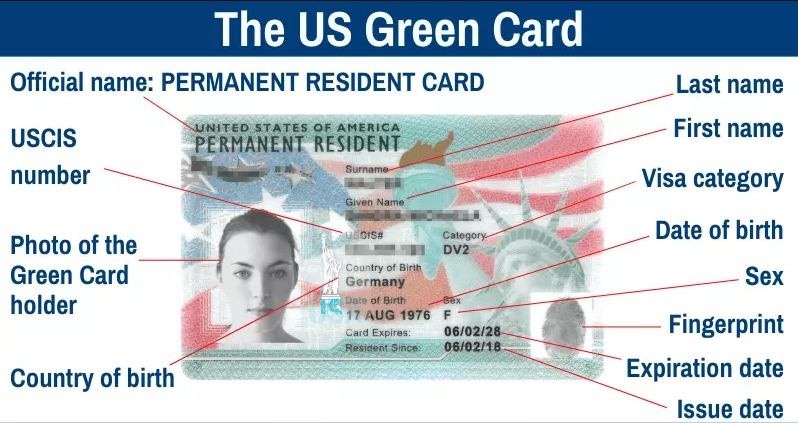
(Image: Sample US Green Card – holders of this card lose all SBA loan eligibility under the new policy.)
Another amusing (yet telling) anecdote: A group of green card techies in Silicon Valley formed a “Citizenship Sprint Club” – racing to naturalize before March 1. “We turned immigration stress into a group chat meme fest!”
Wrapping Up: A Bold Shift with Lasting Waves
The Trump administration’s SBA loans reform to US citizens only is a clear immigration-economic pivot. It protects citizen priorities but risks sidelining legal contributors. Businesses: Check eligibility now. Immigrants: Explore naturalization or private lenders.
This policy isn’t just paperwork – it’s reshaping the American Dream for millions.