The Maduro Capture on January 3, 2026, marked one of the most audacious U.S. military actions in recent decades. President Donald Trump announced that elite forces had seized Venezuelan leader Nicolás Maduro and his wife Cilia Flores from a fortified compound in Caracas, flying them to U.S. custody. Framed as a blow against narco-terrorism and drug trafficking, the Maduro Capture sparked global shockwaves, debates over sovereignty, and revelations about secret technologies.

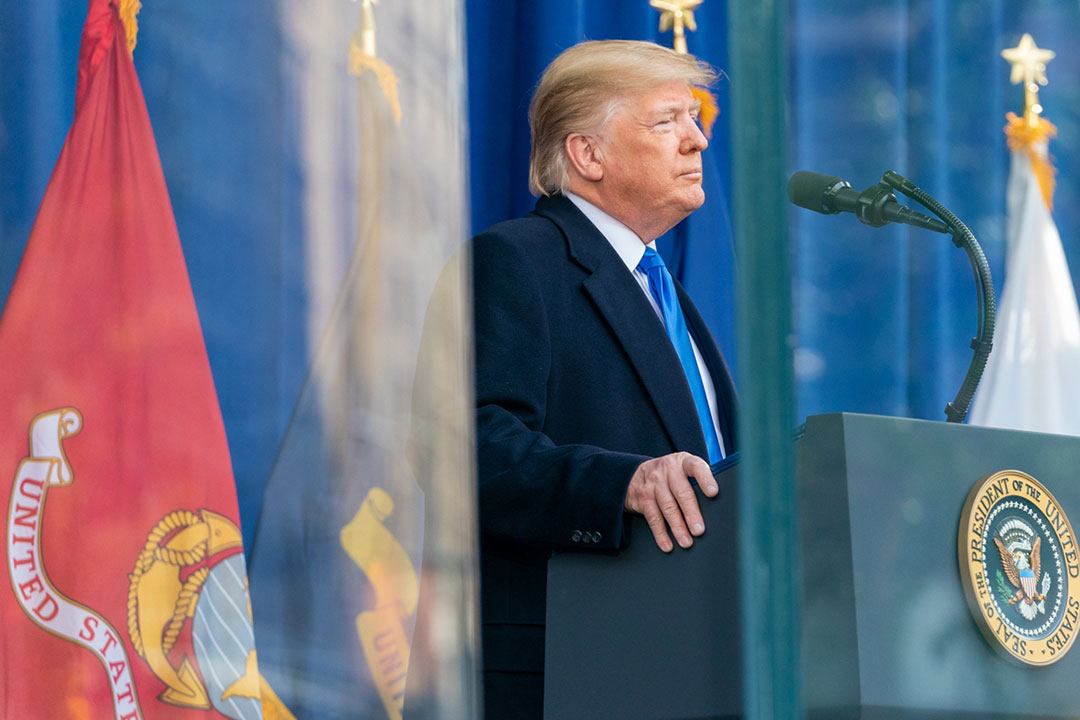
(Image: President Trump addressing the nation following the Maduro Capture announcement, January 2026.)
Historical Roots of US-Venezuela Conflict
Tensions trace back to Hugo Chávez’s 1999 rise, when Venezuela nationalized oil assets, clashing with U.S. interests in the world’s largest proven reserves (over 300 billion barrels). Chávez’s alliances with Russia, China, Cuba, and Iran alarmed Washington. Under Maduro (Chávez’s successor since 2013), hyperinflation, mass migration, and disputed elections fueled sanctions starting in 2017. The 2018 and 2024 votes were widely rejected as fraudulent; the U.S. backed opposition figures like Juan Guaidó and later Edmundo González. By 2020, federal indictments charged Maduro with narco-terrorism and cocaine trafficking via the “Cartel of the Suns.” Trump, during his first term, ramped up pressure, calling Venezuela’s oil “stolen” from American firms.

(Image: Map highlighting U.S. allies and adversaries, underscoring Venezuela’s ties to Russia and China in the broader geopolitical context.)
Russia and China deepened influence through arms sales, loans, and oil deals, viewing Venezuela as a counterweight to U.S. dominance in the hemisphere. Russian S-300 systems and Chinese surveillance tech bolstered Maduro’s defenses, while both nations condemned U.S. sanctions as economic warfare.
Why the Maduro Capture Happened
The Maduro Capture stemmed from long-standing charges but escalated under Trump’s second term. Officials cited Maduro’s role in flooding the U.S. with fentanyl-laced drugs via gangs like Tren de Aragua (designated a foreign terrorist organization). National security experts framed it as dismantling a narco-state threatening American borders. Trump invoked an expanded Monroe Doctrine-style approach, emphasizing hemisphere control and resource access. A $50 million reward (issued August 2025) underscored the priority.
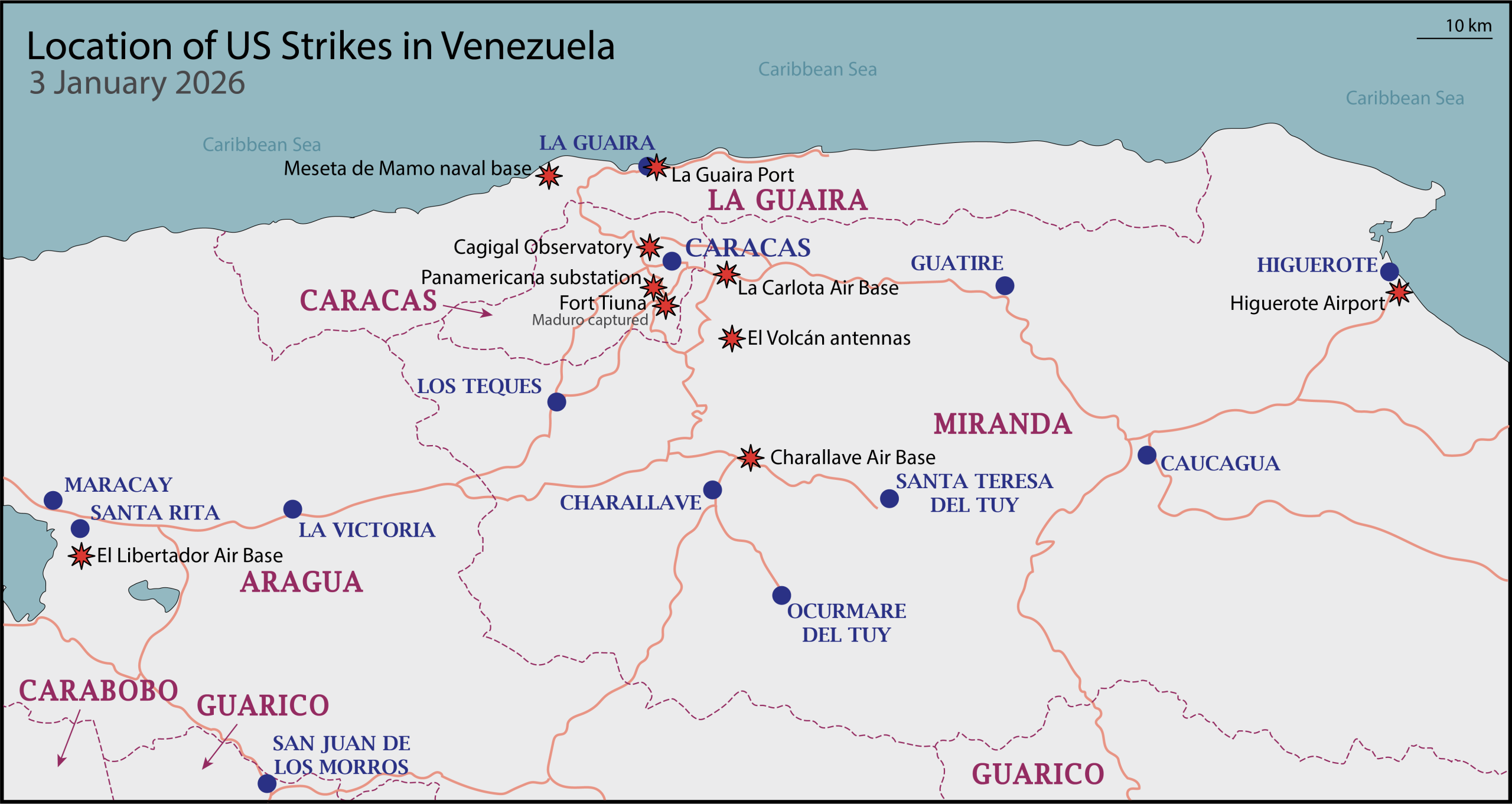
(Image: Map of the 2026 U.S. strikes in Venezuela during Operation Absolute Resolve, showing key targets in Caracas and beyond.)
Inside Operation Absolute Resolve: The Maduro Capture Raid
Dubbed Operation Absolute Resolve (part of the broader “Southern Spear” campaign), the mission unfolded in the early hours of January 3, 2026. U.S. intelligence tracked Maduro’s routines for months, even replicating his safe house for rehearsals. Over 150 aircraft, Delta Force operators, and CIA teams struck at 2:01 a.m. local time.
Initial airstrikes neutralized air defenses at bases like Fuerte Tiuna and La Carlota, plunging Caracas into darkness. Delta Force helicopters inserted troops amid gunfire; one chopper was damaged but pressed on. Operators breached steel doors—reportedly using blowtorches in dramatic fashion—and “bum-rushed” Maduro before he reached his safe room. Flores was seized alongside him. The pair was extracted by 4:20 a.m., flown to the USS Iwo Jima, then to New York for arraignment.

(Image: Trump at a podium, moments after revealing details of the Maduro Capture operation.)
Trump watched live from Mar-a-Lago, likening the footage to a “television show” packed with “speed and violence.” An amusing aside: he later joked about the mission’s delay due to weather, saying troops waited patiently through Christmas and New Year’s.
The Discombobulator Weapon: Trump’s Secret Edge
Trump revealed a “secret weapon” called the Discombobulator disabled Venezuelan equipment. He described it as a pulsed energy device that made Russian and Chinese rockets “not work”—operators “pressed buttons and nothing happened.” Trump teased: “I’m not allowed to talk about it,” while hinting it blacked out Caracas lights. Experts speculate electronic warfare or directed-energy tech, but no official specs exist. It neutralized defenses without massive casualties, allowing the precise Maduro Capture.
(Image: Symbolic representation of U.S.-Venezuela tensions through national flags, highlighting the stakes in the Maduro Capture.)
Fallout and Futures: Venezuela and the U.S.
Maduro and Flores face charges in New York’s Metropolitan Detention Center, pleading not guilty. Delcy Rodríguez assumed acting leadership, releasing hundreds of political prisoners (estimates vary from 250-626) in a goodwill gesture credited to U.S. pressure. Oil deals followed: millions of barrels redirected, with U.S. firms eyeing $100 billion in investments.
Venezuela’s path remains uncertain—protests mixed celebration and chaos; hardliners like Diosdado Cabello cling to power. Reconstruction could take years amid colectivos and economic ruin. For the U.S., the Maduro Capture signals aggressive foreign policy, deterring Russia and China while securing resources. Critics warn of precedent-setting aggression violating international law.
Russia and China decried the action as sovereignty violation at the UN, reinforcing their Venezuelan ties. Trump insists it safeguards American security by curbing drugs and reclaiming “stolen” assets.
The Maduro Capture blends high-stakes drama, cutting-edge tech, and geopolitical chess—proving reality can rival fiction.
Sources & Links
- Wikipedia: 2026 United States intervention in Venezuela
- BBC: Spies, drones and blowtorches: How the US captured Maduro
- PBS: Trump says U.S. used secret ‘discombobulator’
- UChicago News: What’s next for Venezuela after U.S. arrest of Maduro