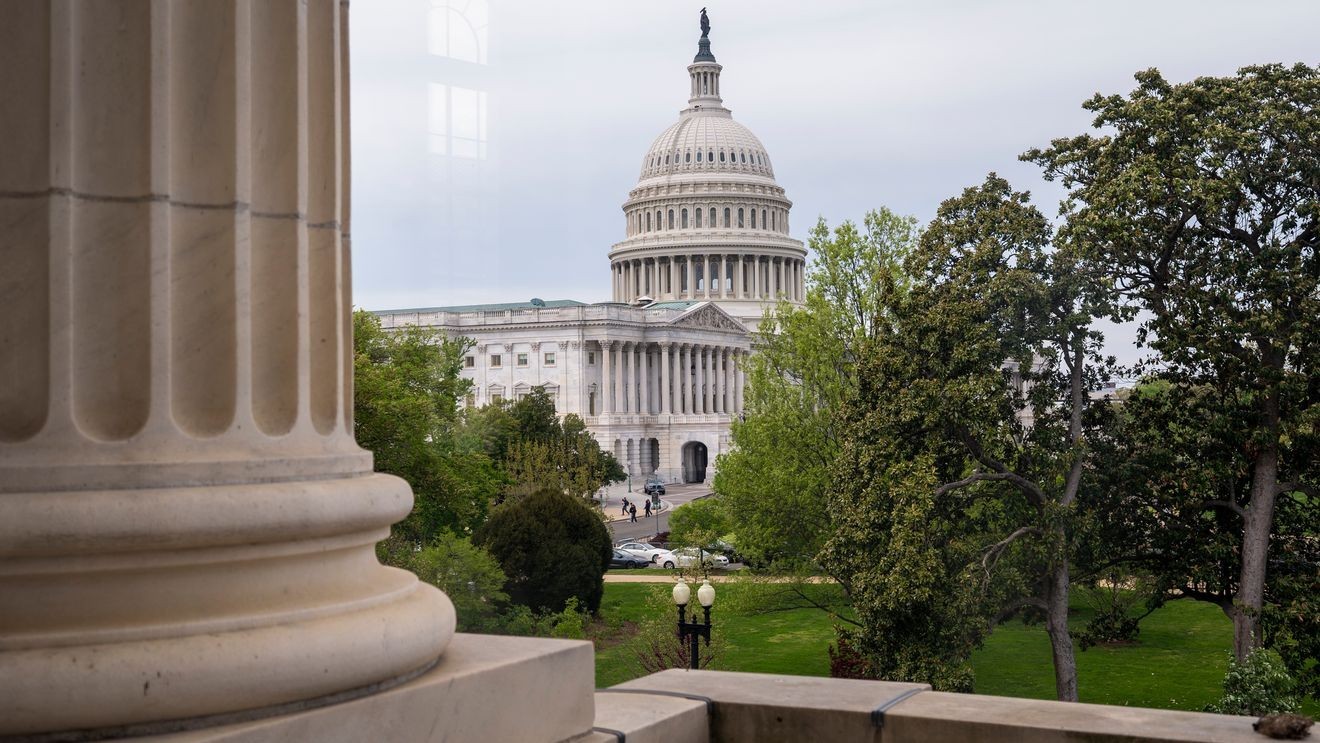
Image: The U.S. Capitol Building stands as the epicenter of the intense FISA Section 702 reauthorization debates in April 2026. (Source: https://komonews.com/news/nation-world/house-passes-10-day-fisa-section-702-extension-in-late-night-vote-congress-senate-republicans-democrats-capitol-hill-president-donald-trump-national-security-agency-mike-johnson-foreigners-fbi-cia-surveillance-law)
In the high-stakes world of national security and civil liberties, few issues ignite as much passion as the Trump Administration FISA Section 702 reauthorization battle. As a personal blogger fascinated by the intersection of power, privacy, and politics, I’ve followed this saga closely—and what unfolded in April 2026 is pure Washington theater. The Trump FISA reauthorization push for a clean extension of this controversial surveillance authority hit unexpected roadblocks, forcing a frantic short-term patch just days before expiration. But what exactly is FISA Section 702, why is the Trump Administration fighting so hard for its FISA surveillance extension, what are the real problems, and where does this drama head next? Let’s dive deep into the verified facts, with some riveting behind-the-scenes episodes that make this story unforgettable.
What Is FISA Section 702? The Backbone of Modern U.S. Surveillance
FISA Section 702 is a key provision of the Foreign Intelligence Surveillance Act (FISA), originally passed in 1978 in the wake of Watergate-era abuses to regulate government spying while allowing intelligence gathering. Enacted as an amendment in 2008, Section 702 authorizes U.S. intelligence agencies—like the NSA, CIA, FBI, and others—to collect electronic communications (emails, texts, calls) from non-U.S. persons located outside the United States, without individual warrants, as long as the target is reasonably believed to possess foreign intelligence information.
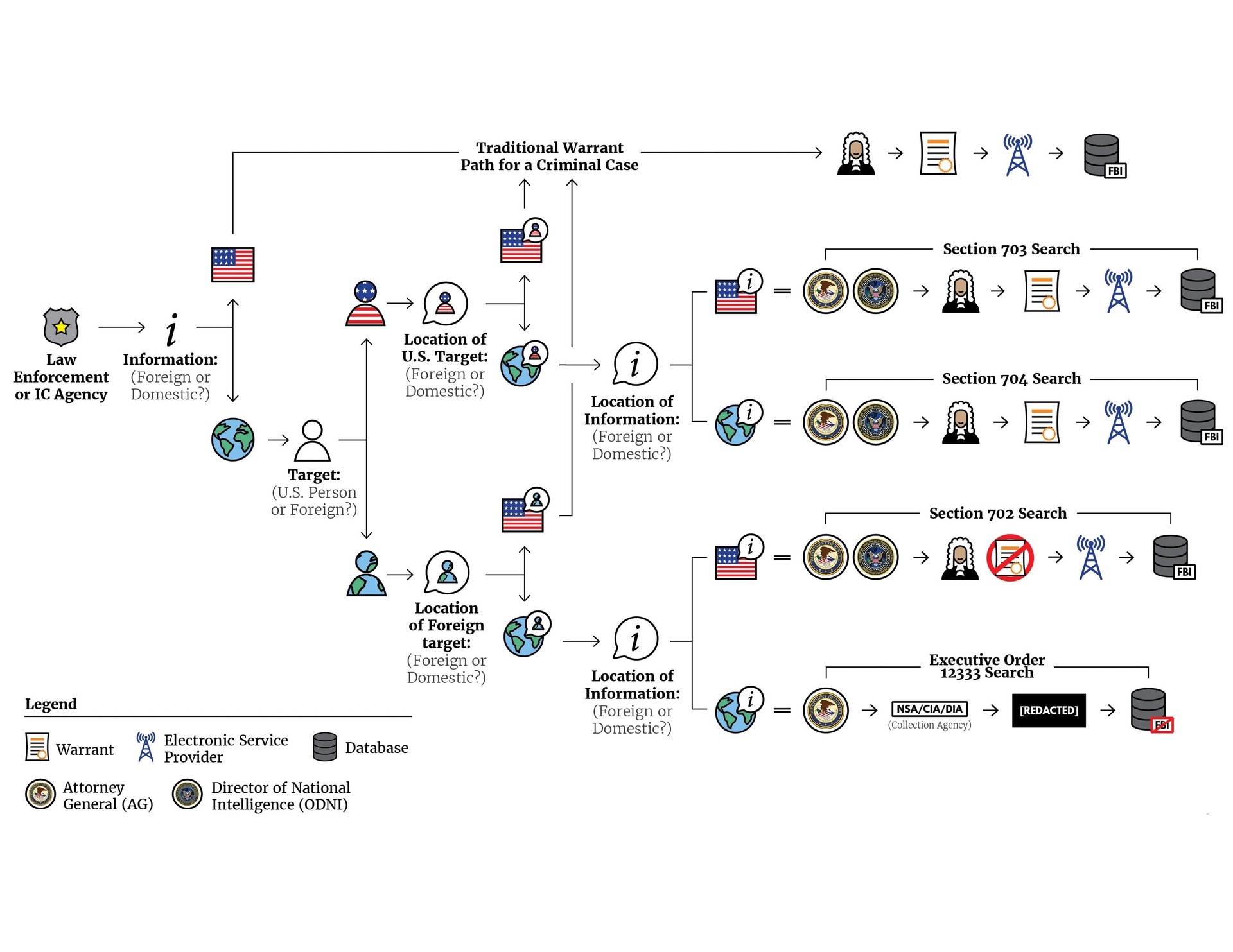
Image: A detailed flowchart explaining the legal pathways for Section 702 searches versus traditional warrants, highlighting the unique “backdoor” access to Americans’ data. (Source: https://www.thirdway.org/report/guide-to-section-702-reform)
Data is compelled from U.S. tech companies (think Verizon, Google, AT&T) under annual certifications approved by the secretive Foreign Intelligence Surveillance Court (FISC). The program is massive: it has thwarted terrorist plots, helped locate cartel leaders, and supported military operations abroad. Yet here’s the catch that fuels the Trump FISA reauthorization controversy—incidental collection. When foreign targets communicate with Americans, U.S. persons’ data gets swept up too. Agencies can then “query” that database using American identifiers without a warrant, a practice critics call the “backdoor search loophole.”
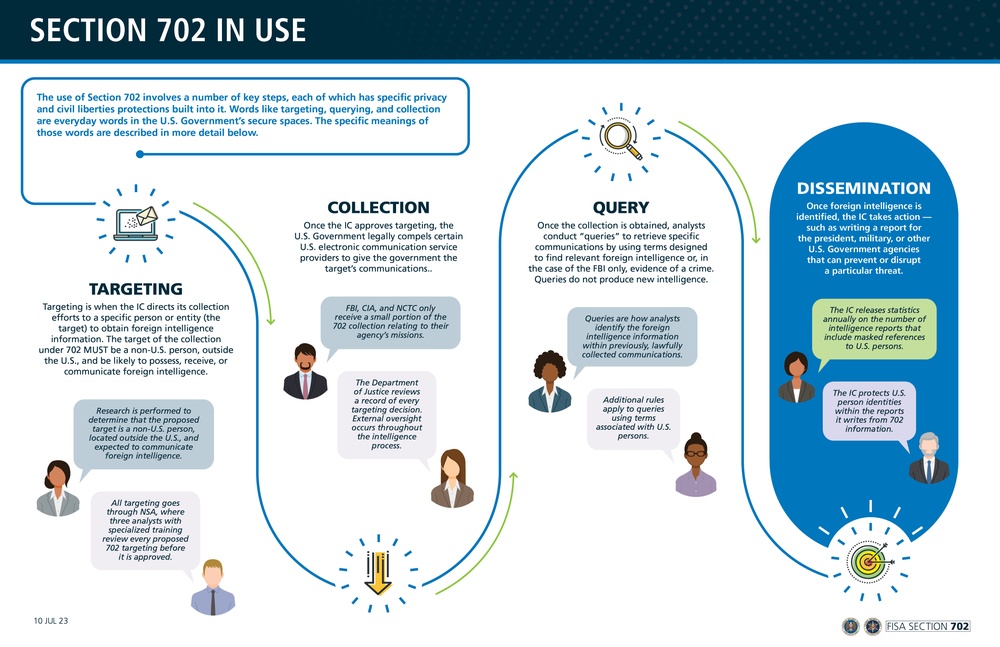
Image: Infographic detailing how Section 702 operates—from targeting and collection to querying and dissemination—under strict but debated privacy rules. (Source: https://www.dvidshub.net/graphic/28053/nsa-section-702-use)
This isn’t hypothetical. Declassified reports and congressional oversight have documented thousands of compliance incidents, including improper queries on domestic political figures, protesters, and even journalists. The last major reauthorization came in April 2024 via the Reforming Intelligence and Securing America Act (RISAA), which added 56 modest tweaks but extended FISA Section 702 only until April 20, 2026—setting the stage for the current Trump Administration FISA Section 702 reauthorization battle.
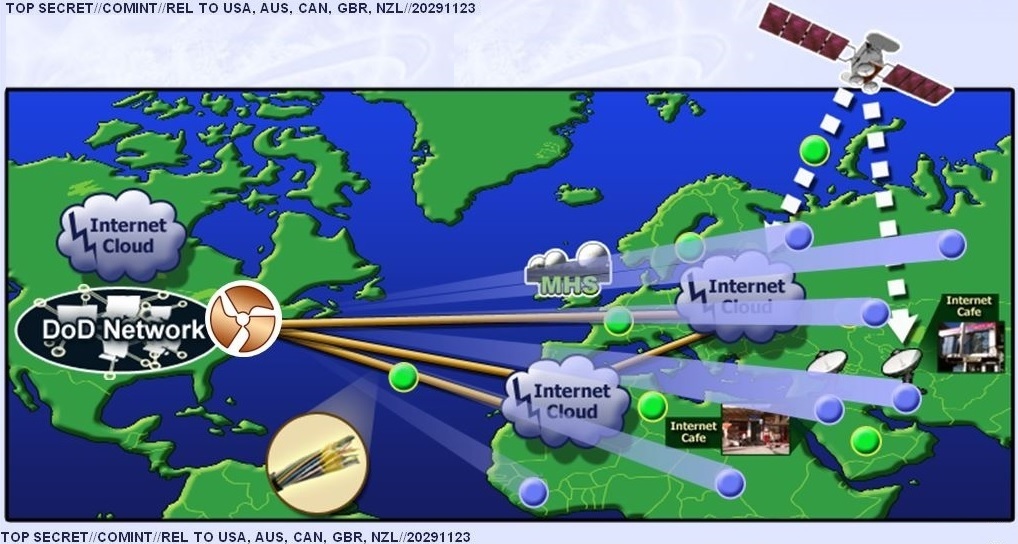
Image: A classified-style map illustrating global NSA surveillance networks, reminiscent of the vast reach enabled by FISA Section 702 programs. (Source: https://theintercept.com/2014/03/12/nsa-plans-infect-millions-computers-malware/)
The Trump Administration’s Desperate Push for FISA Surveillance Extension
Fast-forward to spring 2026: With the April 20 expiration looming, the Trump Administration threw its full weight behind a “clean” FISA surveillance extension—an 18-month reauthorization with zero major changes. President Trump took to Truth Social repeatedly, urging Republicans to “UNIFY” and pass the bill, citing urgent national security needs. He highlighted successes against Iranian threats, Venezuelan operations, and even referenced past intelligence wins like disrupting a planned attack on a Taylor Swift concert in Austria.
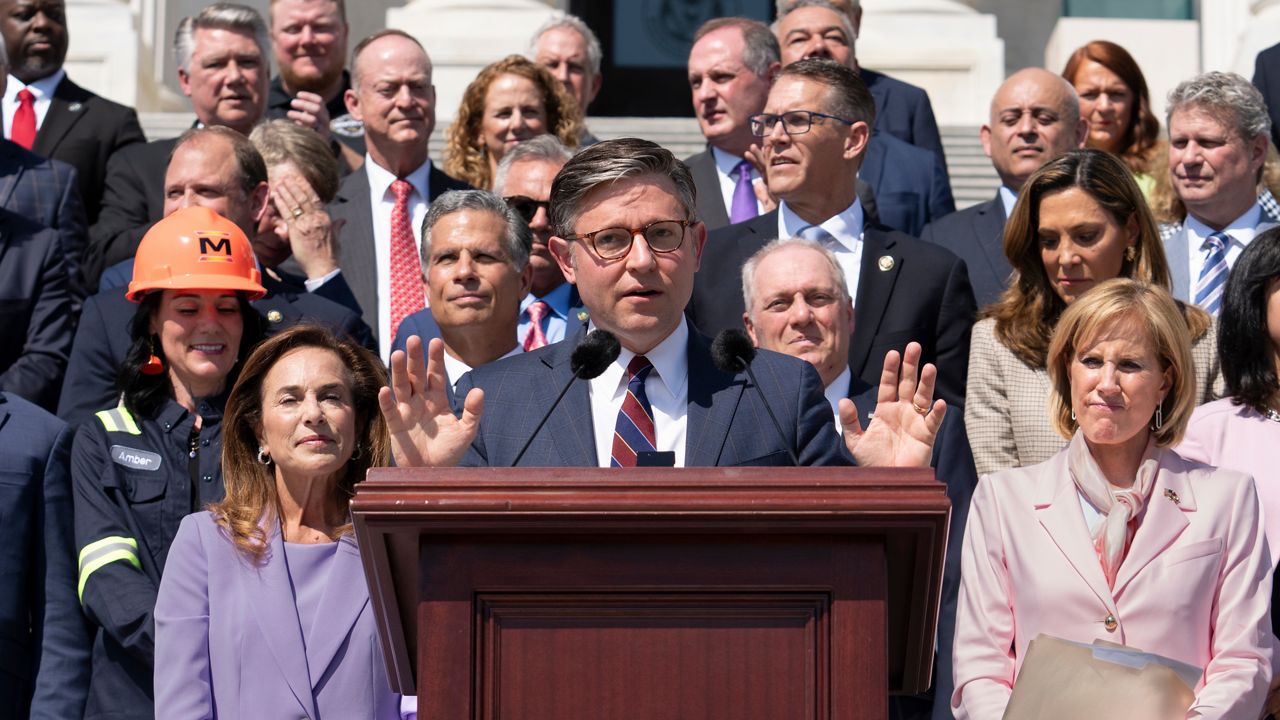
Image: Congressional leaders address the press amid high-stakes negotiations over the FISA Section 702 extension, with Trump allies visible in the background. (Source: https://spectrumlocalnews.com/us/snplus/business/2026/04/17/house-gop-members-fisa-surveillance-powers-president-trump-pushed-extension)
In one memorable episode straight out of a political thriller, Trump—despite once tweeting “KILL FISA” in 2024 when he believed the law was weaponized against his campaign—flipped the script entirely. “Our Military Patriots desperately need FISA 702,” he posted, framing opposition as a risk to troops overseas. Even Director of National Intelligence Tulsi Gabbard reportedly raised privacy red flags directly with Trump, only for the administration to press ahead undeterred. This internal tension added delicious irony to the Trump FISA reauthorization saga.
House Speaker Mike Johnson tried brokering deals: first a five-year extension with minor oversight tweaks, then the clean 18-month version the White House wanted. Both collapsed in dramatic late-night votes. Libertarian-leaning Republicans (Freedom Caucus holdouts) and privacy-focused Democrats revolted, demanding warrant requirements for U.S. person queries and closure of the data broker loophole—where the government buys Americans’ data from commercial brokers to skirt warrants. The result? A frantic 10-day FISA surveillance extension passed by unanimous consent in the House around 2 a.m. on April 18, cleared the Senate hours later, and was signed by Trump on April 19, pushing the deadline to April 30.
Image: The iconic NSA seal symbolizes the powerful surveillance capabilities at the heart of the ongoing FISA Section 702 debates. (Source: https://www.aclu.org/news/national-security/five-things-to-know-about-nsa-mass-surveillance-and-the-coming-fight-in-congress)
Another juicy anecdote: Senator Ron Wyden (D-OR) circulated a classified letter detailing fresh FISA Section 702 abuses, urging colleagues to read it before any vote—while the Trump DOJ faced court orders to release noncompliance records in a lawsuit by the Cato Institute. The administration’s stonewalling only amplified suspicions.
The Problems with FISA Section 702: Privacy vs. Security in the Trump Era
Is FISA Section 702 flawless? Hardly. Verified reports from the Privacy and Civil Liberties Oversight Board (PCLOB), Brennan Center, and congressional testimonies reveal systemic issues. The FBI has admitted to thousands of “query” violations, including searches on Black Lives Matter activists, January 6 defendants, and even members of Congress. Without a warrant requirement, analysts can sift through Americans’ private communications on flimsy pretexts—eroding Fourth Amendment protections.
Critics like the Electronic Privacy Information Center (EPIC) and bipartisan reformers (Rep. Warren Davidson and Sen. Mike Lee) argue the 2024 “reforms” were cosmetic, merely codifying existing (and insufficient) procedures. The data broker loophole remains wide open, and AI-driven querying makes incidental collection even more invasive. Supporters, including Trump national security officials, counter that FISA Section 702 is indispensable: it generates actionable intelligence faster than traditional warrants, saving lives without targeting Americans directly.
Yet even Trump acknowledged past FISA abuses against him—making his aggressive Trump FISA reauthorization stance a fascinating study in political pragmatism. Privacy hawks warn that handing unchecked power to any administration, especially one as assertive as Trump’s, risks politicized surveillance.
How Will the FISA Surveillance Extension Unfold Next? Predictions and Possibilities
With the clock now ticking to April 30, the Trump Administration FISA Section 702 reauthorization battle enters its next act. Expect more closed-door horse-trading: perhaps a compromise bill with symbolic reforms (extra reporting or limited warrant exceptions for emergencies) to peel off enough GOP holdouts and Democrats. A pure clean extension seems unlikely given the revolt. Another short-term patch is possible if talks stall—buying time into May or beyond.
Longer term? If certifications from the FISC (renewed through March 2027) hold, a lapse might not immediately halt operations, but legal uncertainty would ripple through intelligence agencies and tech providers. Bipartisan reform bills like the Government Surveillance Reform Act (requiring warrants and closing loopholes) could gain traction—or die in the partisan crossfire. One thing is certain: the drama will continue, with Trump likely amplifying pressure via social media.
This FISA Section 702 fight isn’t abstract—it’s about whether America can balance security against the very freedoms it defends. As your guide through these complex waters, I hope this deep dive leaves you informed and intrigued. The Trump FISA reauthorization push reminds us that even “temporary” surveillance tools have lasting consequences.
Sources and Further Reading :
- Al Jazeera on the 10-day extension: https://www.aljazeera.com/news/2026/4/17/us-congress-temporarily-extends-controversial-surveillance-power-under-fisa
- Washington Post coverage of GOP divisions: https://www.washingtonpost.com/national-security/2026/04/17/fisa-warrantless-surveillance/
- CNN on Republicans bucking Trump: https://www.cnn.com/2026/04/17/politics/house-fisa-foreign-surveillance
- Brennan Center resource page on Section 702: https://www.brennancenter.org/our-work/research-reports/section-702-foreign-intelligence-surveillance-act-fisa-2026-resource-page
- Sen. Wyden’s letter and statements: https://www.wyden.senate.gov/news/press-releases/wyden-urges-house-members-to-reject-handing-donald-trump-unchecked-surveillance-authority-insist-on-reforms-to-fisa-section-702
- New York Times on the short-term bill: https://www.nytimes.com/2026/04/17/us/politics/fisa-702-surveillance-house-vote-trump.html