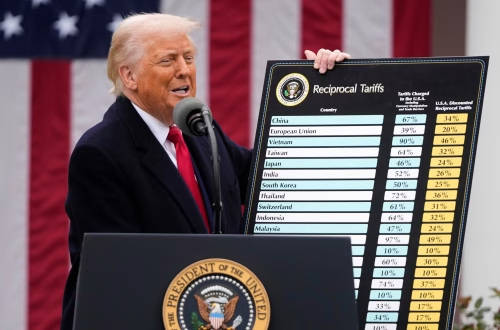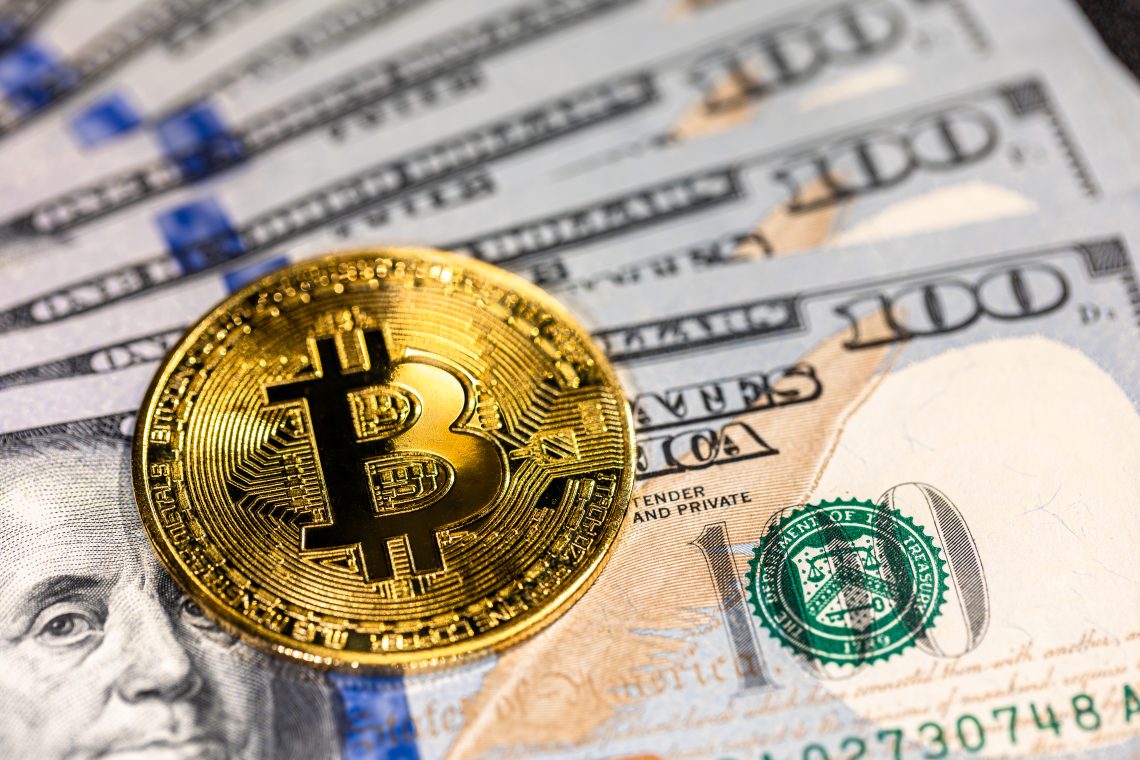
In a bold move that sent shockwaves through global markets, President Donald Trump announced in March 2025 the inclusion of five cryptocurrencies in a U.S. Crypto Strategic Reserve. Posted on his Truth Social platform, the list—Bitcoin (BTC), Ethereum (ETH), XRP, Solana (SOL), and Cardano (ADA)—marked a historic pivot toward treating digital assets like traditional reserves such as gold or oil. This wasn’t just talk; it followed an executive order establishing the Strategic Bitcoin Reserve and a broader U.S. Digital Asset Stockpile, capitalizing on seized assets from criminal forfeitures.
But what does this really mean? At its core, it’s a signal of unwavering government backing for crypto, aiming to position the U.S. as the “Crypto Capital of the World.” By holding these assets, the government could stabilize markets during volatility, attract massive foreign investment, and foster innovation in blockchain tech. Economically, it’s a double-edged sword: proponents argue it could boost GDP through job creation in fintech (potentially adding billions via new startups and talent influx), enhance financial inclusion, and hedge against inflation—much like Bitcoin’s “digital gold” narrative. Critics, however, warn of amplified market swings, regulatory hurdles, and taxpayer risks if values plummet. Early impacts? Crypto prices surged over 10-50% post-announcement, injecting hundreds of billions into the market and lifting related stocks. Long-term, it might integrate crypto into mainstream finance, influencing everything from remittances to DeFi lending, while pressuring the Federal Reserve to rethink monetary policy in a digital age.
Now, let’s dive into each coin with a fresh lens—detailed yet punchy, laced with quirky anecdotes that highlight their journeys. We’ll explore their tech, real-world punch, and why Trump picked them, all backed by verified facts.
1. Bitcoin (BTC): The OG Digital Gold

Bitcoin, launched in 2009 by the mysterious Satoshi Nakamoto (whose identity remains a global whodunit—rumors range from a CIA op to an Aussie coder), is the granddaddy of crypto. It’s a decentralized digital currency using proof-of-work mining to secure transactions on a blockchain, capping supply at 21 million coins to mimic scarcity like gold. Trump’s reserve elevates it as a core asset, with the U.S. already holding about 200,000 BTC from seizures, worth billions.
Fun episode: In 2010, programmer Laszlo Hanyecz bought two Papa John’s pizzas for 10,000 BTC—today, that’s over $600 million! It kickstarted Bitcoin’s real-world use but hilariously underscores its wild value growth. Another gem: During the 2021 bull run, El Salvador adopted BTC as legal tender under President Bukele, who bought dips like a pro trader, turning national coffers into a meme-worthy fortune.
Impact on US economy: As a reserve, BTC could serve as an inflation hedge, drawing institutional money (think pensions and banks) and spurring mining jobs in states like Texas. Official site: bitcoin.org
2. Ethereum (ETH): The Smart Contract Powerhouse
Ethereum, brainchild of wunderkind Vitalik Buterin (who conceived it at 19!), revolutionized crypto in 2015 by introducing smart contracts—self-executing code for apps like NFTs and DeFi. It shifted to energy-efficient proof-of-stake in 2022’s “Merge,” slashing energy use by 99%. Trump’s nod includes ETH at the “heart” of the reserve, recognizing its role in scalable blockchain ecosystems.
Quirky tale: The 2016 DAO hack saw $50 million stolen due to a code flaw, leading to a community split and Ethereum Classic’s birth—think crypto’s version of a family feud. Buterin, often seen in unicorn shirts at conferences, once donated billions in meme coins to charity, crashing their value in a philanthropic plot twist. Fast-forward: Ethereum powers viral hits like CryptoKitties, where digital cats sold for fortunes, clogging the network in 2017’s adorable chaos.
Economic ripple: For the US, ETH’s inclusion could supercharge Web3 innovation, creating jobs in dApps and reducing remittance costs (saving billions annually). Check out: ethereum.org
3. XRP: The Cross-Border Speed Demon
XRP, tied to Ripple Labs since 2012, is built for lightning-fast, low-cost international payments via its XRP Ledger—a consensus protocol ditching energy-hog mining. It’s not fully decentralized like BTC but excels in bridging fiat currencies, with banks like Santander testing it for transfers.
Epic saga: Ripple’s 2020-2023 SEC lawsuit accused XRP of being an unregistered security, tanking its price and sparking crypto’s “regulatory war.” Trump ally Ripple won key rulings, but the drama peaked when founder Chris Larsen donated $10 million to Kamala Harris’ campaign—only for Trump to include XRP anyway, in a plot twist worthy of a thriller. Bonus: In 2018, XRP briefly overtook ETH as #2 crypto, fueled by bank hype, before reality checks set in.
US economy boost: As a reserve, XRP could streamline $1.5 trillion in annual cross-border flows, cutting fees and boosting trade efficiency. Official hub: ripple.com/xrp
4. Solana (SOL): The High-Speed Challenger

Solana, founded in 2017 by ex-Qualcomm engineers led by Anatoly Yakovenko, boasts blistering speeds—up to 65,000 transactions per second—via proof-of-history, blending time-stamping with proof-of-stake. It’s a darling for NFTs and meme coins, often called “Ethereum killer” for cheaper, faster ops.
Hilarious hiccup: Solana’s 2021-2022 outages (17 in total!) were blamed on everything from spam bots to a literal “million monkeys” simulation gone wrong—developers once joked it was “too fast for its own good.” Yet, it rebounded: In 2023, Solana hosted the explosive BONK meme coin, turning $250 investments into millions overnight. Trump even launched his $TRUMP memecoin on Solana pre-inauguration, tying his family business to the chain.
Economic angle: Reserve status could fuel US gaming and DeFi sectors, potentially adding $100 billion in market cap and jobs in coastal tech hubs. Explore: solana.com
5. Cardano (ADA): The Research-Driven Visionary
Cardano, spearheaded by Ethereum co-founder Charles Hoskinson since 2017, emphasizes peer-reviewed research and sustainability. Its Ouroboros proof-of-stake protocol is academia-backed, focusing on scalability and real-world adoption like African education projects.
Intriguing yarn: Hoskinson’s beef with Buterin led to Cardano’s fork from Ethereum ideals—think academic rivalry meets blockchain. A wild episode: In 2021, Cardano’s smart contracts launch was delayed for perfection, frustrating fans but earning “slow and steady” cred. Hoskinson once live-streamed from a Mongolian horse ranch, pitching crypto to nomads, embodying its global outreach. Fun fact: Named after math pioneers, it’s used in Ethiopia for tamper-proof student records, preventing fraud in a digital twist on old-school diplomas.
US impact: As reserve fodder, ADA could promote ethical blockchain R&D, attracting grants and reducing energy costs in finance. Dive in: cardano.org
In wrapping up, Trump’s reserve isn’t just policy—it’s a cultural shift, blending finance with futurism. While risks like volatility loom, the potential for economic turbocharge is undeniable, especially with crypto’s $2 trillion+ market. Keep an eye on evolving regs; this could redefine money as we know it.