The United States 25-cent coin, commonly known as the quarter, has a storied history spanning over two centuries. First minted in 1796, this silver coin has evolved through various designs reflecting American art, politics, and culture. From early Liberty portraits to modern commemoratives honoring states and national parks, the quarter remains a staple in everyday transactions and a favorite among collectors. In this comprehensive guide, we’ll explore its origins, key designs, and intriguing episodes, all verified from reliable sources like the U.S. Mint and historical records.
Whether you’re a numismatist, history buff, or simply curious about U.S. currency, understanding the quarter’s journey offers insights into America’s past. Let’s break it down by era, with verified facts, fun anecdotes, and visuals. (Keywords: US quarter history, 25-cent coin designs, Washington quarter facts)
Origins of the Quarter: The Coinage Act of 1792 and Early Silver Issues
Authorized by the Coinage Act of 1792, the quarter was designed as a silver coin worth one-fourth of a dollar. The first quarters were minted in 1796, made of 89.24% silver and 10.76% copper, weighing 6.74 grams with a diameter of about 27.5 mm. Early production was limited due to silver shortages and focus on higher denominations.
The initial Draped Bust design (1796–1807) featured Lady Liberty on the obverse with flowing hair and a draped bodice, while the reverse showed a small eagle (1796) or heraldic eagle (1804–1807). No quarters were minted from 1808 to 1814 due to economic issues.
Interesting Episode: The 1796 quarter is extremely rare, with only about 6,146 minted. One sold for over $1.5 million in 2015, highlighting early U.S. coin scarcity and collector value.
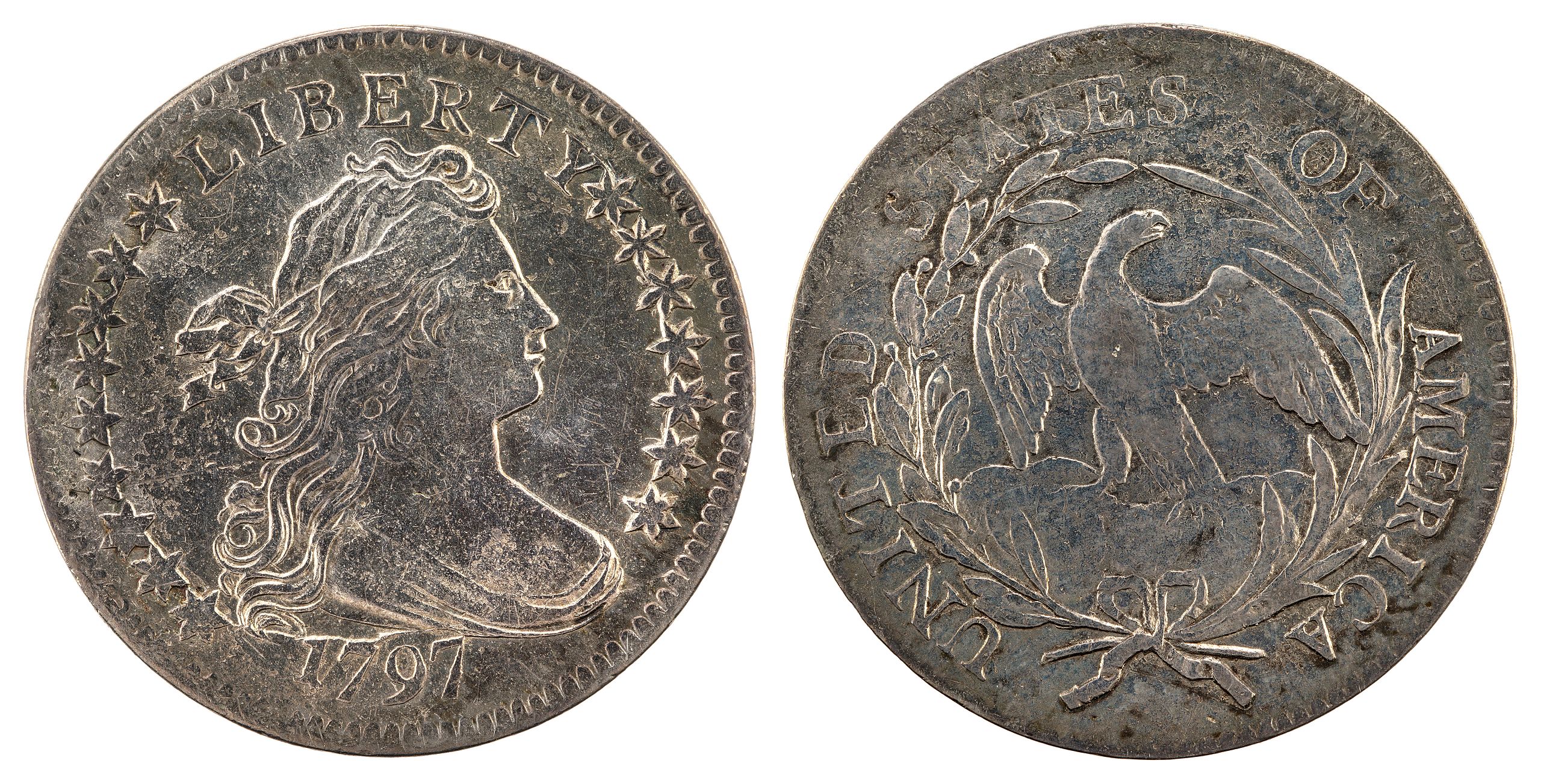
File:NNC-US-1797-10C-Draped Bust (small eagle).jpg – Wikimedia Commons
Image: Draped Bust quarter, showcasing early American coinage (public domain).
Capped Bust Quarter (1815–1838): Refinements and Size Changes
Designed by John Reich, the Capped Bust quarter introduced Liberty wearing a Phrygian cap (symbolizing freedom) on the obverse, with an eagle on the reverse clutching arrows and an olive branch. The composition remained mostly silver, but the diameter was reduced to 24.3 mm in 1831 for better striking.
Variants include large diameter (1815–1828) and small diameter (1831–1838), with no minting in 1826, 1829, or 1830.
Fun Fact: This era’s coins often featured edge lettering like “FIFTY CENTS OR HALF A DOLLAR” to prevent clipping, a common fraud tactic in the early 1800s.
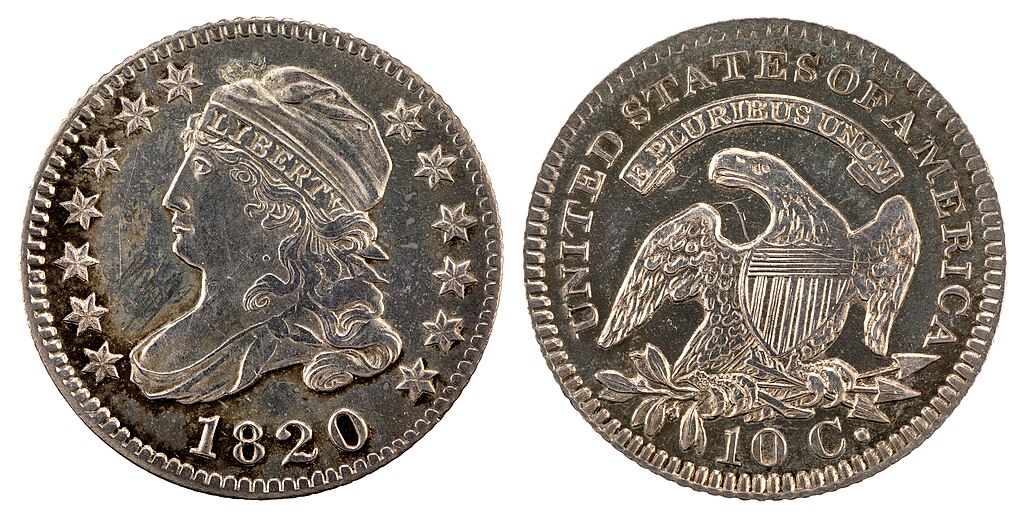
File:NNC-US-1820-10C-Capped Bust.jpg – Wikimedia Commons
Image: Capped Bust quarter, a symbol of post-War of 1812 recovery (public domain).
Seated Liberty Quarter (1838–1891): Long-Running Classic with Variations
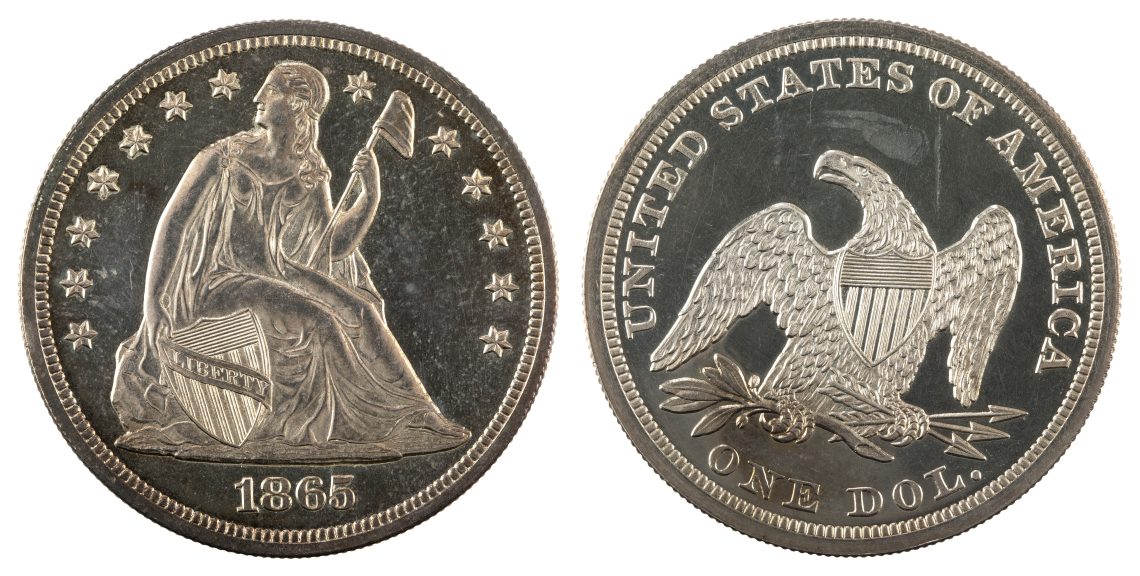
Christian Gobrecht’s Seated Liberty design depicted a seated Liberty holding a shield and liberty cap on a pole, with the reverse showing an eagle. The silver content was standardized to 90% in 1853, and weight adjustments (arrows added in 1853–1855 and 1873–1874) reflected economic shifts like the California Gold Rush.
This series lasted over 50 years, with “IN GOD WE TRUST” added in 1866.
Intriguing Anecdote: During the Civil War, silver hoarding led to low mintages, making coins like the 1873 Closed 3 variety rare and valuable today—some fetch thousands at auction.
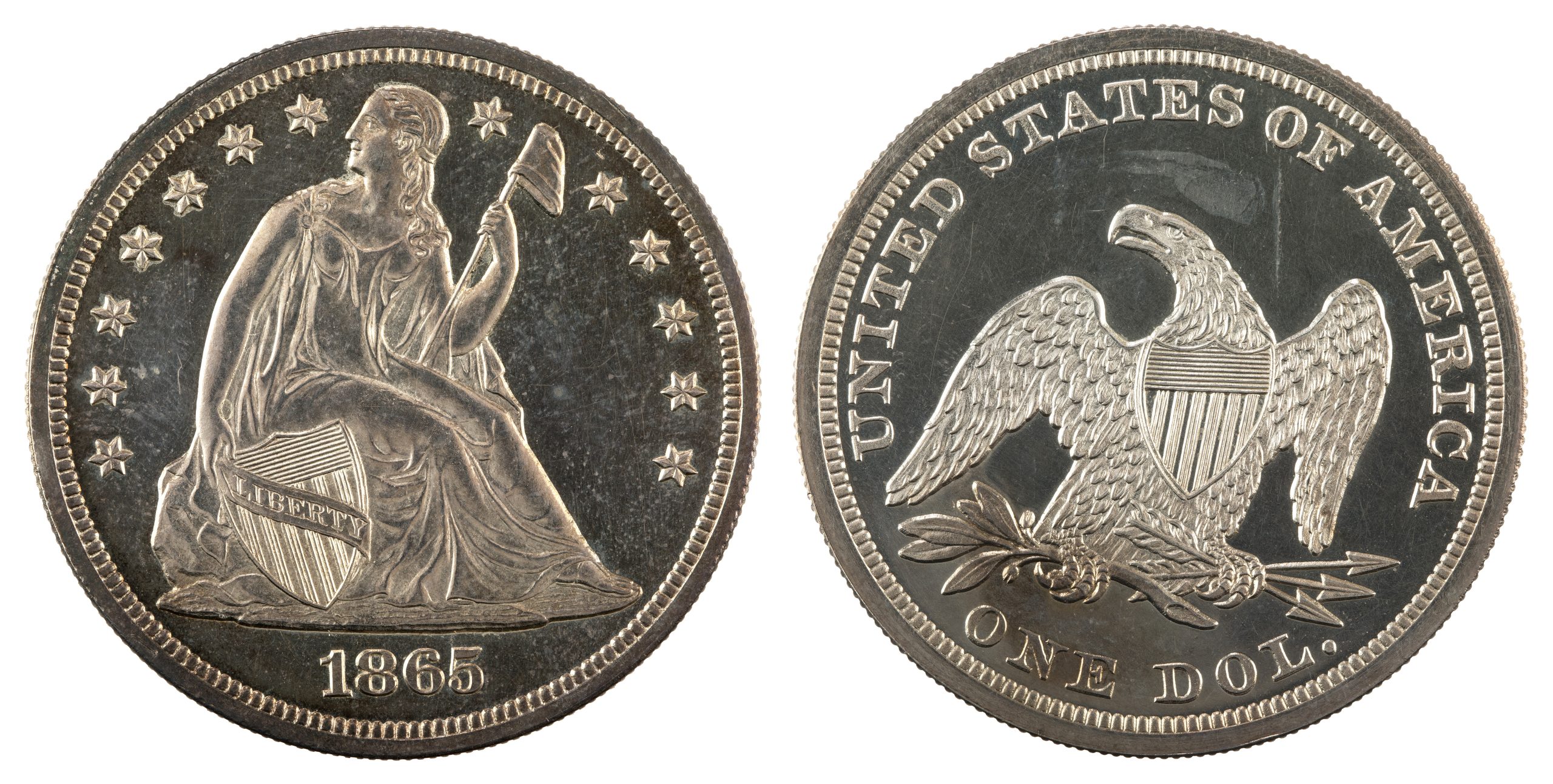
File:NNC-US-1865-1$-Seated Liberty (no motto).jpg – Wikimedia Commons
Image: Seated Liberty quarter, reflecting 19th-century American symbolism (public domain).
Barber Quarter (1892–1916): Uniformity Across Denominations
Charles E. Barber created this design, featuring a profile of Liberty in a laurel wreath on the obverse and an eagle on the reverse. It matched the dime and half dollar for consistency. Composition: 90% silver, 10% copper; weight 6.25 grams.
Key rarities include the 1901-S and 1913-S.
Notable Episode: The 1893-S quarter, with only 100,000 minted, became infamous when a collector discovered a hoard in the 1950s, but most remain scarce.
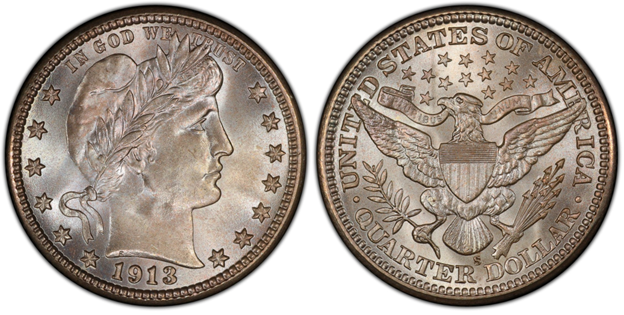
Barber Quarter Key Dates Guide: 1901-S and Other Rare Dates Worth …
Image: Barber quarter, known for its classic profile (public domain).
Standing Liberty Quarter (1916–1930): Artistic but Short-Lived
Hermon MacNeil’s Standing Liberty showed Liberty standing with a shield and olive branch, reverse an eagle in flight. Type 1 (1916–1917) had an exposed breast, leading to public outcry and a redesign (Type 2) with chain mail in 1917.
Production issues caused quick wear on the date.
Amusing Story: The “bare-breasted” controversy reflected 1910s moral standards; redesign rumors included wartime armor symbolism, but it was likely for modesty.
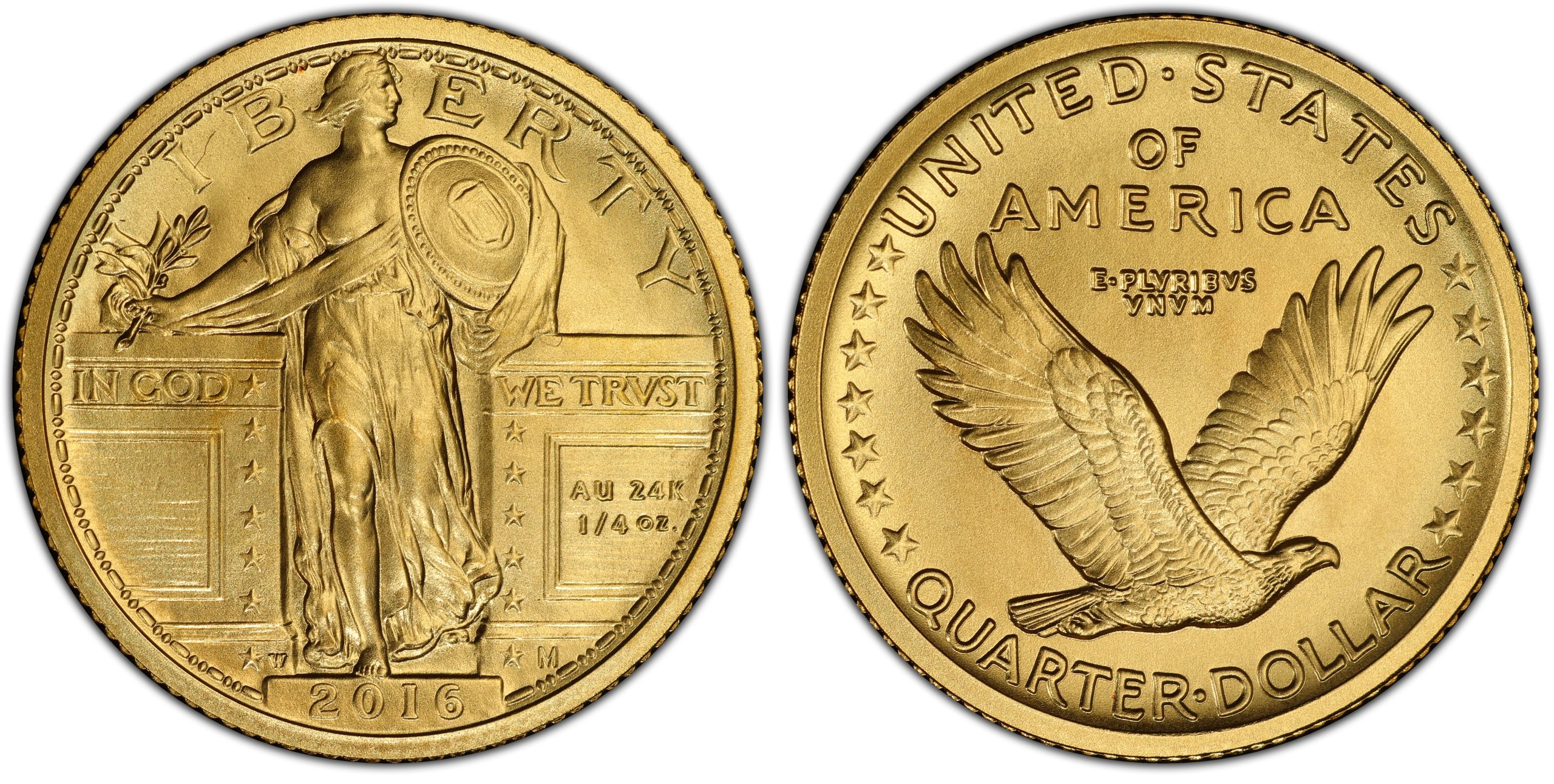
File:2016-W Standing Liberty quarter gold.jpg – Wikimedia Commons
Image: Standing Liberty quarter, embodying early 20th-century artistry (public domain).
Washington Quarter (1932–Present): Iconic and Ever-Changing
John Flanagan’s design honors George Washington’s bicentennial, with his profile on the obverse and an eagle on the reverse until 1998. Switched to copper-nickel clad in 1965 (91.67% copper, 8.33% nickel).
Modern series: 50 State Quarters (1999–2008), D.C. and Territories (2009), America the Beautiful (2010–2021), and American Women Quarters (2022–2025).
Fascinating Fact: The State Quarters program sparked a collecting boom, with over 140 million participants. Errors like the 2004 Wisconsin “extra leaf” variety can be worth thousands.
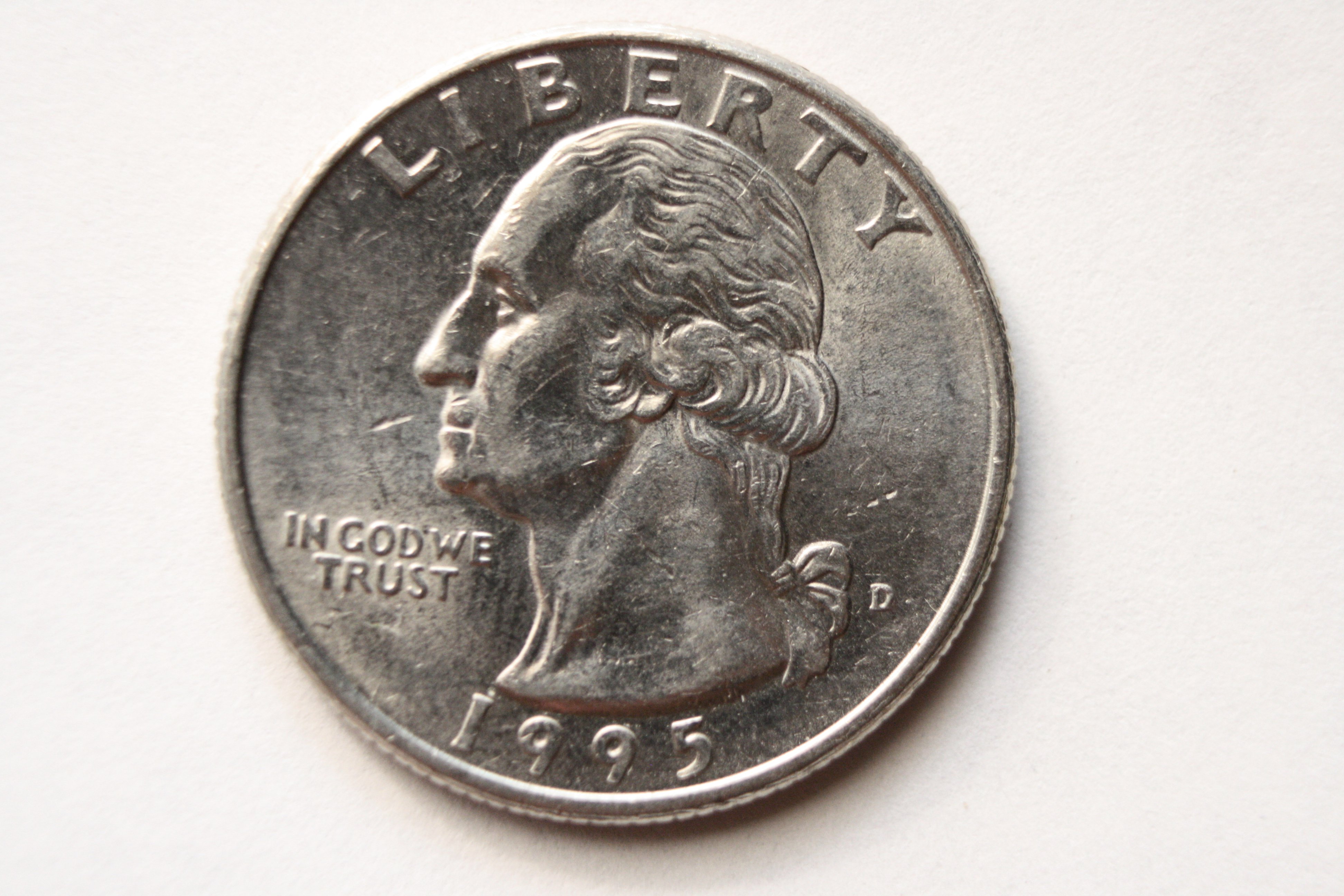
US Quarter Dollar Coin Front – Photos Public Domain
Image: Classic Washington quarter, a daily pocket icon (public domain).
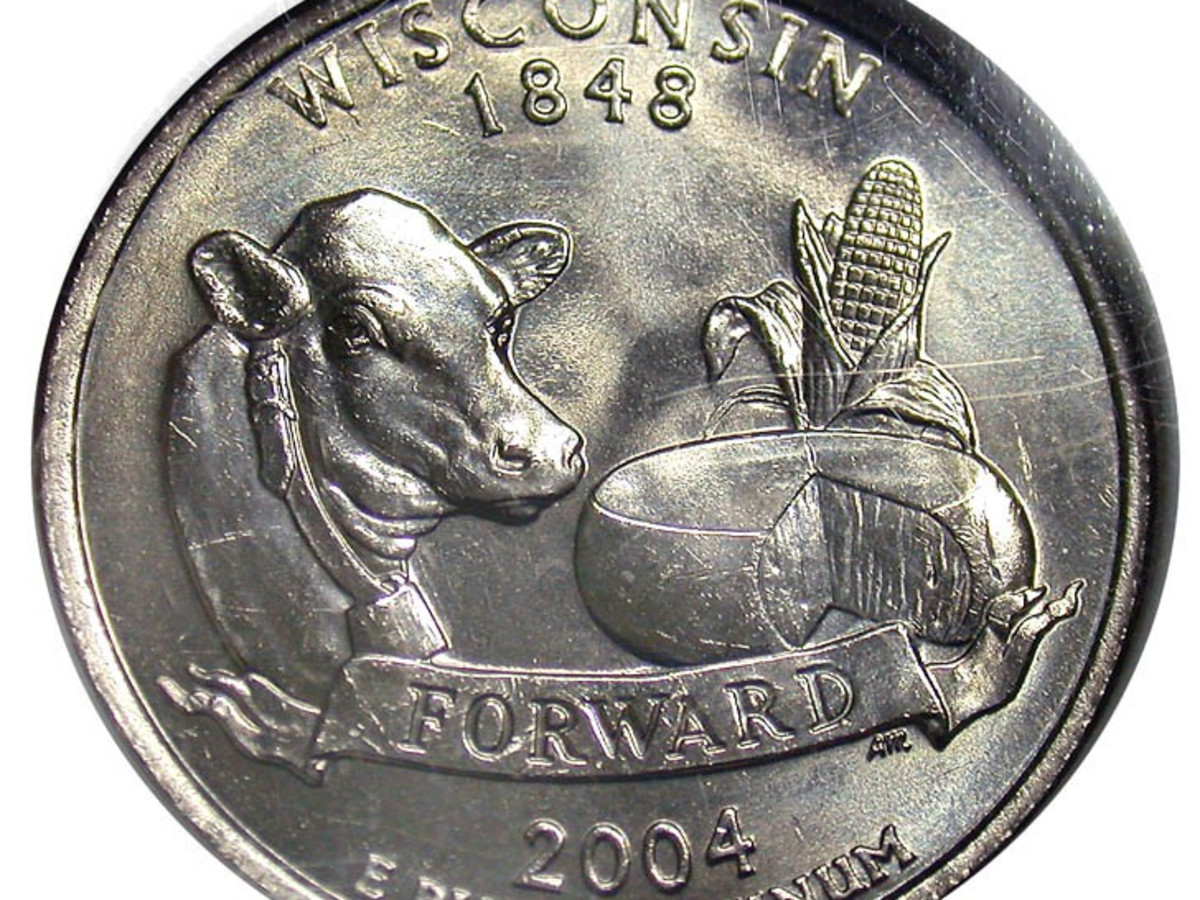
State Quarter Errors List – HobbyLark
Image: Example from the State Quarters series (public domain).
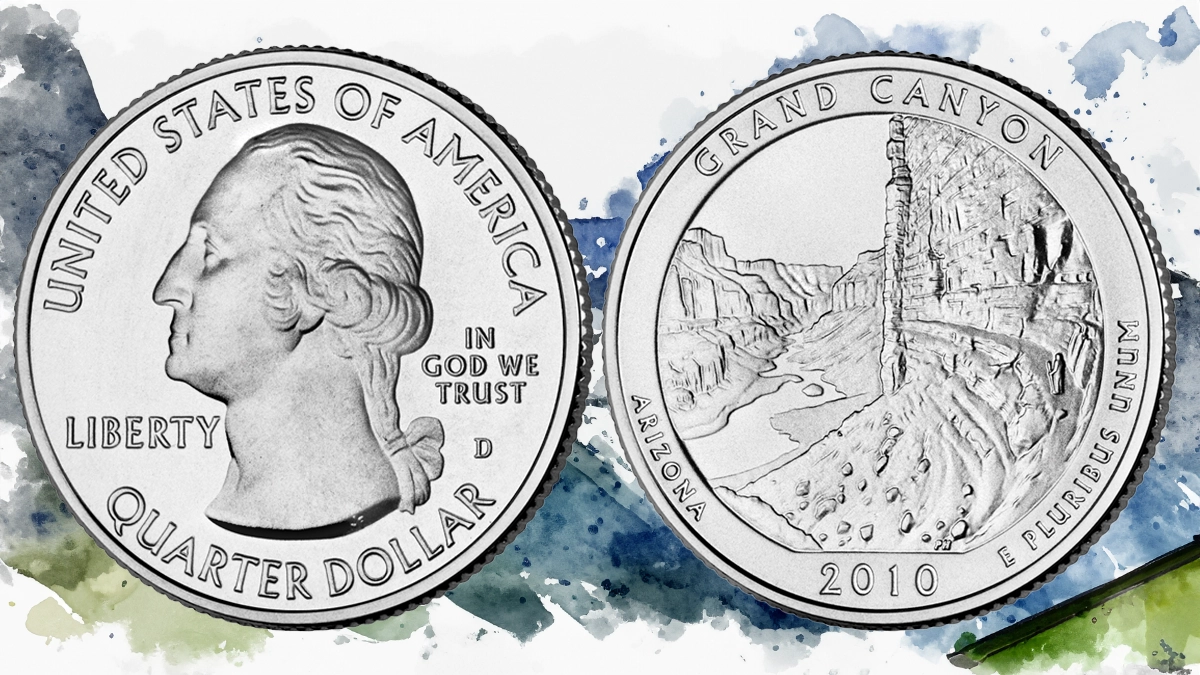
2010-D Grand Canyon National Park Quarter : History & Value
Image: America the Beautiful quarter, celebrating national sites (public domain).
Key Facts and Design Timeline
| Period | Design | Composition | Key Changes |
|---|---|---|---|
| 1796–1807 | Draped Bust | 89.24% Ag, 10.76% Cu | Eagle reverse variations |
| 1815–1838 | Capped Bust | 89.24% Ag, 10.76% Cu (later 90% Ag) | Size reduction in 1831 |
| 1838–1891 | Seated Liberty | 90% Ag, 10% Cu | Arrows for weight changes, motto added |
| 1892–1916 | Barber | 90% Ag, 10% Cu | Uniform with other coins |
| 1916–1930 | Standing Liberty | 90% Ag, 10% Cu | Type 2 redesign for modesty |
| 1932–Present | Washington | 90% Ag (until 1964); Cu-Ni clad after | Commemorative reverses since 1999 |
The quarter’s consistent size (24.26 mm diameter, 5.67 grams post-1965) ensures its familiarity.
Why the Quarter Endures: Cultural and Economic Significance
Beyond its 25-cent value, the quarter symbolizes American innovation—from early frontier days to modern tributes to women like Ida B. Wells. It costs about 12 cents to produce today, sparking debates on its future, but programs like American Women Quarters keep it relevant.