In the chaos of the American Civil War, when coins vanished from circulation, the U.S. government turned to an unlikely solution: tiny paper notes worth just 25 cents. The 25-Cent Fractional Currency became a makeshift “paper quarter” that kept everyday trade alive when metal money was hoarded for its bullion value. Far from ordinary bills, these fragile slips of history are packed with ingenuity, anti-counterfeiting tricks, and even a dash of controversy. Why the 25-Cent Fractional Currency Was Born The Civil War triggered a nationwide coin shortage starting in late 1861. Gold and silver coins were worth more melted down…
-
-
Imagine a time when everyday Americans couldn’t find enough coins for a loaf of bread or a newspaper. During the Civil War, the nation faced a severe shortage of small change—silver and gold coins were hoarded for their metal value, which exceeded their face value amid rampant inflation and distrust in paper money. To keep commerce moving, the U.S. Treasury improvised with something unexpected: tiny paper notes worth fractions of a dollar. Among these “shinplasters” (as they were nicknamed for their resemblance to bandages), one stands out as the rarest and most intriguing—the 15-cent fractional currency note. Issued only between…
-
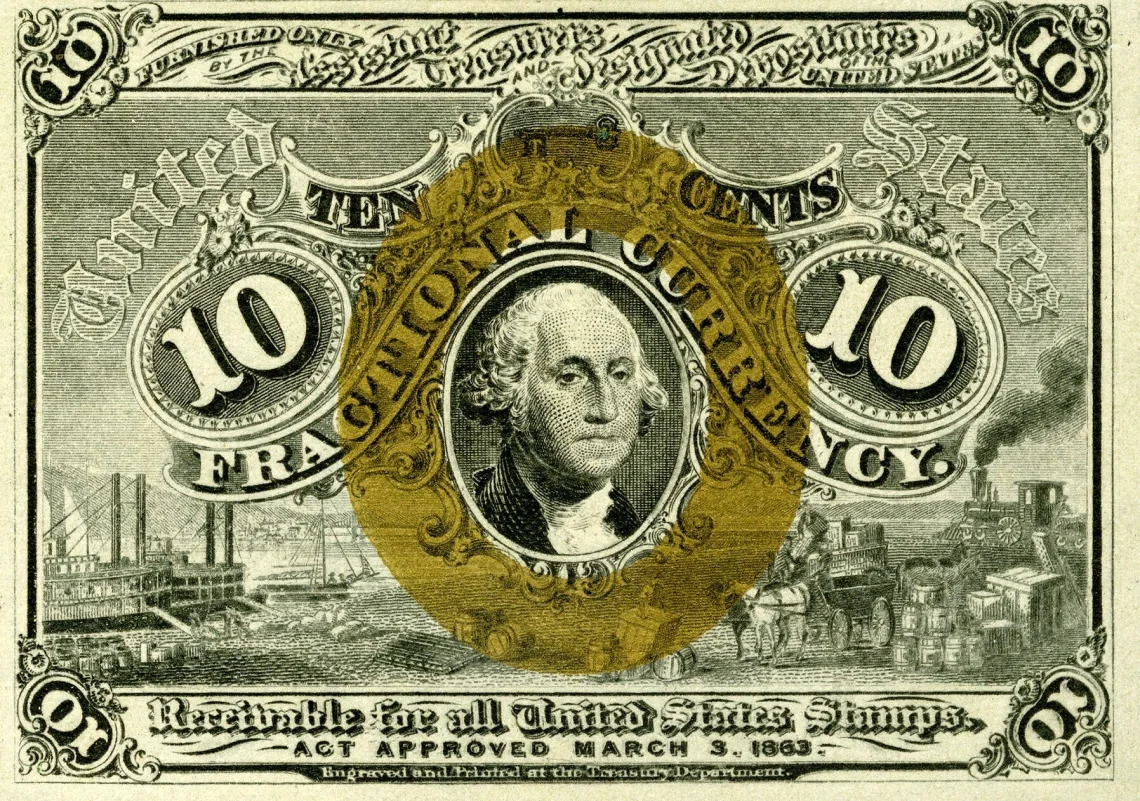
Have you ever wondered what happens when a nation runs out of small change during a massive crisis? Enter the US 10-cent fractional currency – a quirky, pint-sized paper note that stepped in to save the day during the American Civil War. Far from the flashy $100 bills or even the humble dime coin we know today, this little bill (worth just a tenth of a dollar) tells a tale of innovation, desperation, and even a dash of scandal. In this deep dive, we’ll explore its history, designs, and some wild stories that make it more than just old money…
-
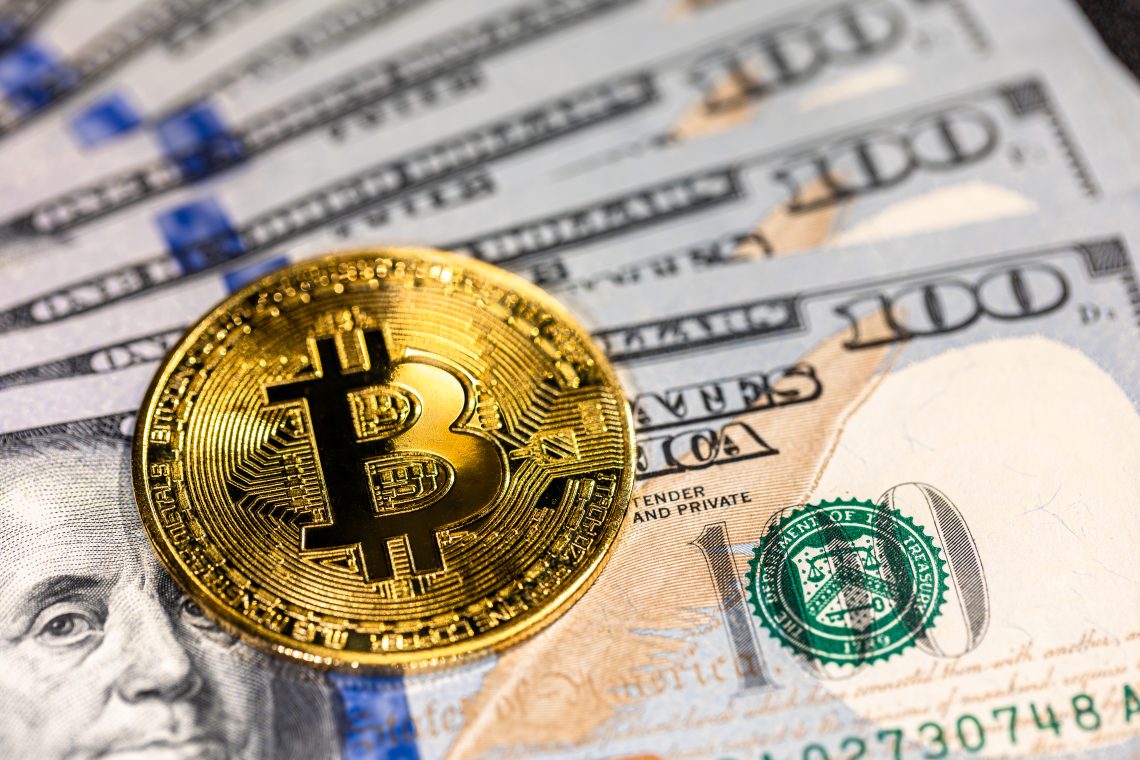
In a bold move that sent shockwaves through global markets, President Donald Trump announced in March 2025 the inclusion of five cryptocurrencies in a U.S. Crypto Strategic Reserve. Posted on his Truth Social platform, the list—Bitcoin (BTC), Ethereum (ETH), XRP, Solana (SOL), and Cardano (ADA)—marked a historic pivot toward treating digital assets like traditional reserves such as gold or oil. This wasn’t just talk; it followed an executive order establishing the Strategic Bitcoin Reserve and a broader U.S. Digital Asset Stockpile, capitalizing on seized assets from criminal forfeitures. But what does this really mean? At its core, it’s a signal…
-
Hello, history fans! Today, let’s dive into the world of the U.S. 5-cent bill. This isn’t your everyday nickel coin—it’s a special paper money from the Civil War era. We’ll keep it exciting with cool stories, but stick to real facts checked from trusted sources. No boring lectures here—just fun facts and surprises. Ready? Let’s go! Why Did the 5-Cent Bill Exist? A Smart Fix for a Coin Crisis Back in 1861, the American Civil War started. People got scared and hid their gold, silver, and copper coins because they had real metal value. Soon, small coins like 3 cents,…