In 2026, exploring America’s iconic national parks comes with a fresh twist in pricing, designed to prioritize U.S. residents while boosting funds for maintenance and enhancements. This “America-first” policy, stemming from an executive order aimed at improving park infrastructure, introduces tiered fees based on residency status. U.S. citizens and permanent residents (often referred to as “residents”) enjoy unchanged standard rates, while international visitors (non-residents) face higher costs at select parks and for annual passes. But don’t worry—this isn’t about exclusion; it’s about sustainable funding for these natural wonders that draw millions annually.
We’ll dive deep into the details without overwhelming you, highlighting the 11 affected parks, their fees, official websites for planning, and even some captivating anecdotes to spark your wanderlust. Whether you’re a local adventurer or a global traveler, understanding these changes ensures a smoother visit. All information here is verified from official sources like the National Park Service (NPS) and Department of the Interior (DOI) announcements as of January 2026.
Understanding the New Fee Structure
Starting January 1, 2026, the America the Beautiful Annual Pass splits into two tiers:
- Residents (U.S. citizens or permanent residents): $80, covering entrance to over 2,000 federal recreation sites for a full year.
- Non-residents: $250, with the same coverage but at a premium to support park upkeep.
For single visits, standard entrance fees remain the same for everyone (typically $20–$35 per vehicle for 7 days), but 11 high-traffic parks add a $100 per-person surcharge for non-residents aged 16 and older without the annual pass. Children under 16 enter free from this surcharge. Proof of residency? Expect to show a U.S. passport, driver’s license, state ID, or green card at entrances.
Fee-free days, now expanded to eight “patriotic” dates in 2026 (like Flag Day on June 14), are exclusive to residents—non-residents pay full fees even then. This policy aims to make parks more accessible for Americans while generating revenue from international tourism, which hit record highs post-pandemic.
Now, let’s explore the 11 parks where these differences apply. For each, I’ll break down the prices, link to the official site, share a fun episode or fact, and include a stunning visual to inspire your trip.
1. Acadia National Park (Maine)
Standard entrance: $35 per vehicle or $20 per person/motorcycle. For residents: No surcharge—just the standard fee or use your $80 annual pass. For non-residents: Add $100 per person (16+) without the $250 pass, making a solo walk-in $120 total. Official website: www.nps.gov/acad
Fun episode: Acadia is where the sun first kisses the U.S. mainland each day—imagine hiking Cadillac Mountain at dawn, as President Woodrow Wilson did in 1916 when he established it as the first national park east of the Mississippi. Legend has it, early risers once spotted whales breaching in the Atlantic while sipping coffee from the summit!
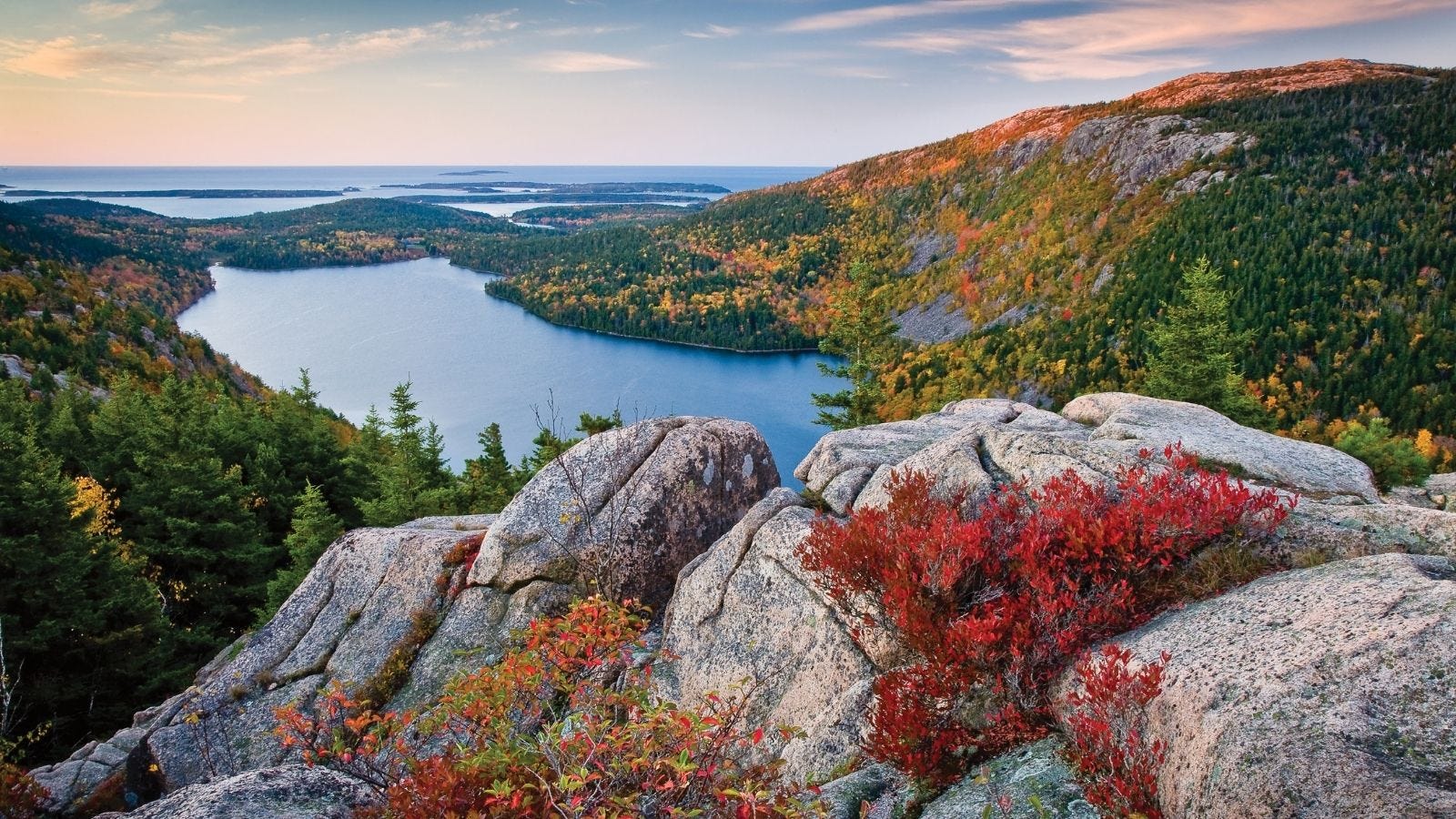
seacoastonline.com (Acadia National Park named one of ‘most beautiful’ spots in US)
2. Bryce Canyon National Park (Utah)
Standard entrance: $35 per vehicle or $20 per person/motorcycle. For residents: Standard rates apply. For non-residents: +$100 per person without pass, e.g., $135 for a vehicle of four adults. Official website: www.nps.gov/brca
Fun episode: Bryce’s eerie hoodoos (towering rock spires) inspired Paiute legends of “Legend People” turned to stone by Coyote for bad behavior. In 1923, a photographer nearly tumbled into the amphitheater while capturing its Martian-like glow at sunset—his shots helped make it a park, drawing stargazers who swear the night sky here rivals the Milky Way’s best shows.
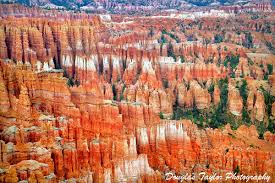
facebook.com (Bryce Canyon’s unique rock formations and colors)
3. Everglades National Park (Florida)
Standard entrance: $30 per vehicle or $15 per person/motorcycle. For residents: Unchanged. For non-residents: Extra $100 per person, potentially $130 for a solo visitor. Official website: www.nps.gov/ever
Fun episode: Dubbed the “River of Grass,” the Everglades once hid bootleggers during Prohibition—rum-runners navigated its mangroves evading patrols. Today, it’s a UNESCO site where you might spot alligators sunbathing like lazy tourists, or join a ranger-led “slough slog” wading through waist-deep water for a thrilling eco-adventure.
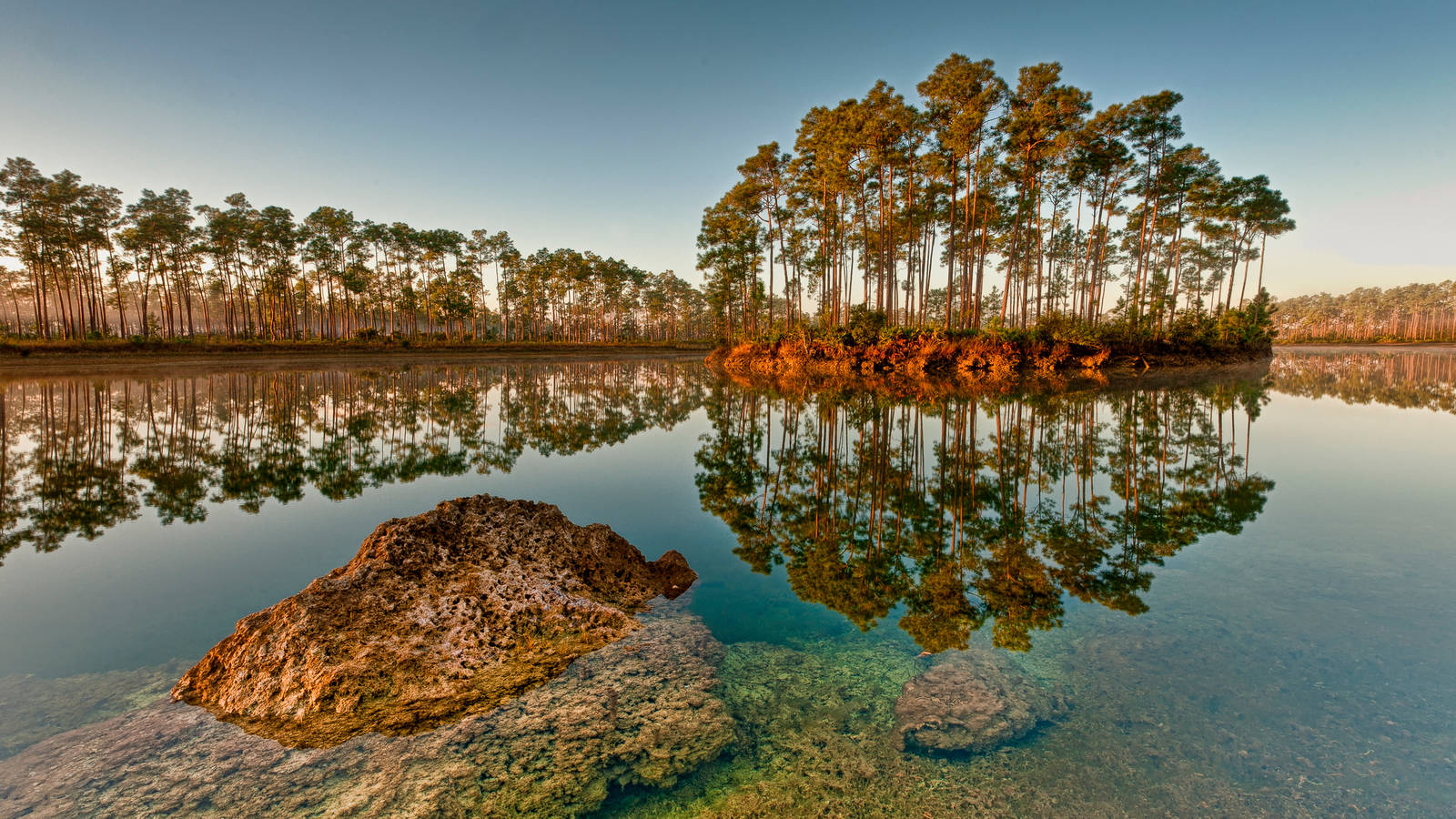
npca.org (An Insider’s Guide to Everglades & Beyond · National Parks)
4. Glacier National Park (Montana)
Standard entrance: $35 per vehicle or $20 per person/motorcycle. For residents: Standard access. For non-residents: +$100 surcharge, e.g., $135 vehicle total for residents’ equivalent. Official website: www.nps.gov/glac
Fun episode: Known as the “Crown of the Continent,” Glacier’s Going-to-the-Sun Road was built in the 1930s with workers dangling from ropes— one engineer famously proposed the route after a horseback mishap. Grizzly bears here have been caught “fishing” for salmon in viral videos, turning the park into nature’s own reality show.

humbo.com (Glacier National Park – Majestic peaks, where even the stones tell…)
5. Grand Canyon National Park (Arizona)
Standard entrance: $35 per vehicle or $20 per person/motorcycle. For residents: No extras. For non-residents: $100 add-on per person. Official website: www.nps.gov/grca
Fun episode: The Canyon’s depths hid a “lost” Egyptian cave rumor in 1909, sparking treasure hunts (spoiler: it was a hoax). Teddy Roosevelt hunted here and declared it a monument, saying, “Leave it as it is.” Modern thrill-seekers tightrope-walk its rims, but most prefer mule rides down trails etched by ancient rivers.
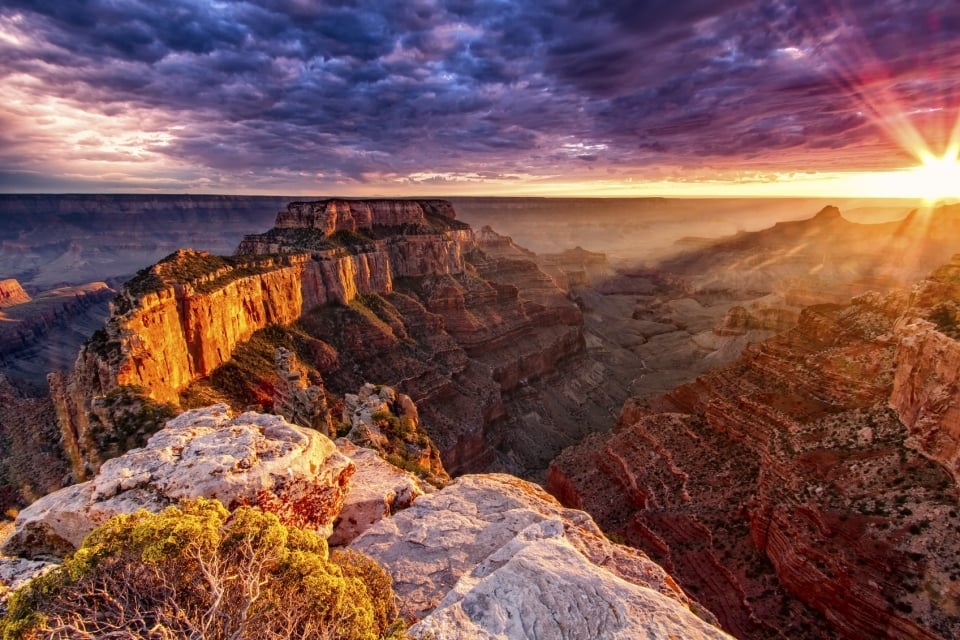
nationalparks.org (8 Facts About the Grand Canyon You Never… | National Park Foundation)
6. Grand Teton National Park (Wyoming)
Standard entrance: $35 per vehicle or $20 per person/motorcycle. For residents: Standard. For non-residents: +$100 per qualifying person. Official website: www.nps.gov/grte
Fun episode: The Tetons’ jagged peaks starred in “Shane” (1953), where cowboys herded cattle amid the drama. John D. Rockefeller Jr. secretly bought land to donate it, outwitting locals—now, moose photobomb hikers, and one famous bull even “adopted” a ranger station as his hangout spot.

jacksonholetraveler.com (Best Places to Photograph in Grand Teton National Park)
7. Rocky Mountain National Park (Colorado)
Standard entrance: $35 per vehicle or $20 per person/motorcycle (timed entry may apply). For residents: As before. For non-residents: Surcharge applies. Official website: www.nps.gov/romo
Fun episode: Elk bugling echoes like a symphony in fall—once, a herd blocked Trail Ridge Road, creating a “wildlife traffic jam” that went viral. Enos Mills, the “father of Rocky,” lobbied for its protection after surviving a grizzly attack, turning his near-death into conservation gold.
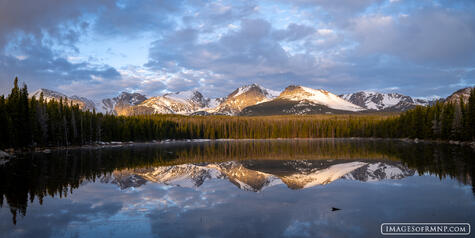
imagesofrmnp.com (Panoramic Photos | Images of Rocky Mountain National Park)
8. Sequoia & Kings Canyon National Parks (California)
Standard entrance: $35 per vehicle or $20 per person/motorcycle. For residents: No change. For non-residents: +$100. Official website: www.nps.gov/seki
Fun episode: Home to General Sherman, the world’s largest tree, these parks inspired John Muir’s writings. In 1891, loggers nearly felled giants until a journalist’s exposé saved them—now, visitors hug trunks wider than cars, feeling like tiny ants in a prehistoric forest.
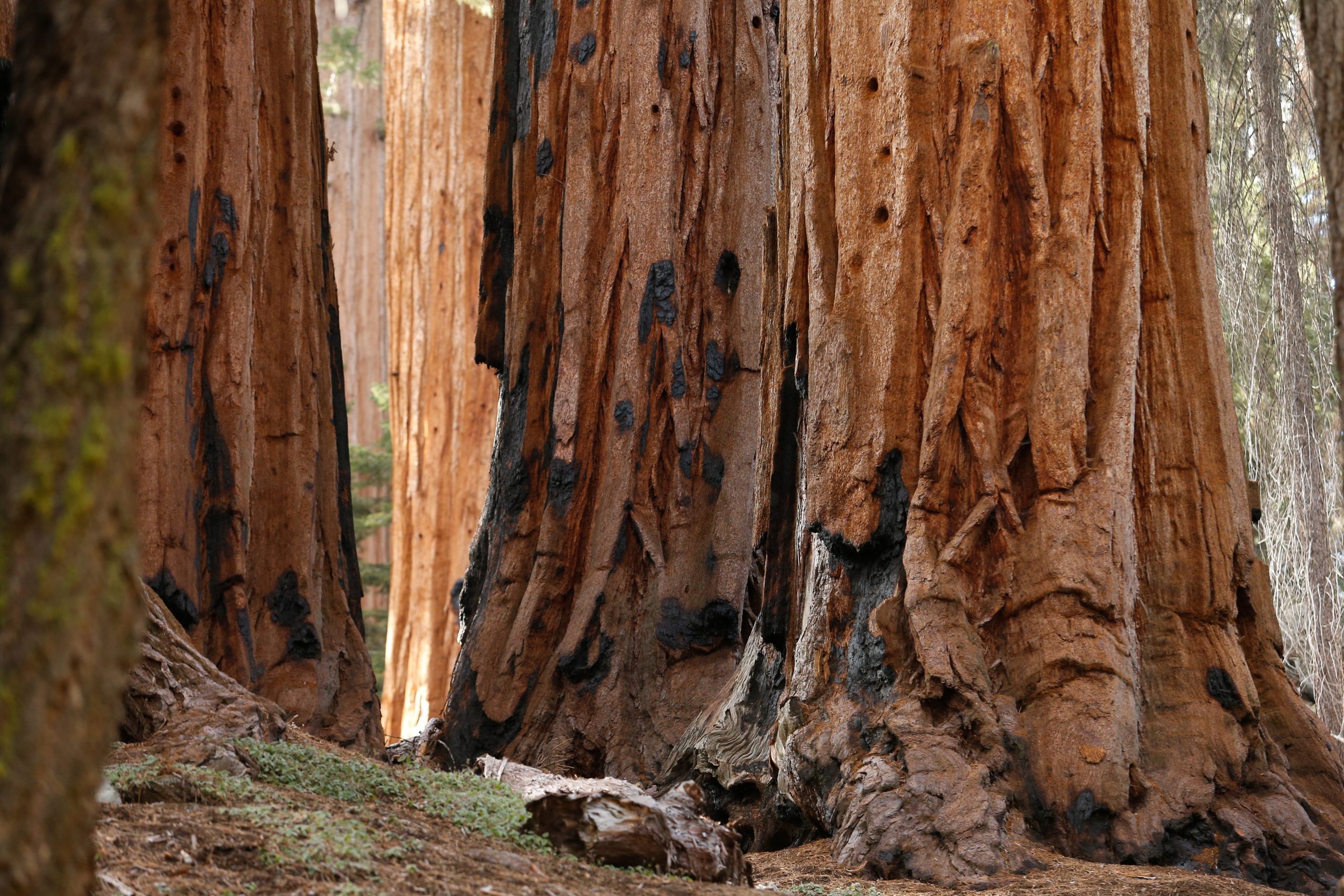
nps.gov (Giant Sequoias – Sequoia & Kings Canyon National Parks)
9. Yellowstone National Park (Wyoming/Montana/Idaho)
Standard entrance: $35 per vehicle or $20 per person/motorcycle. For residents: Standard. For non-residents: Surcharge added. Official website: www.nps.gov/yell
Fun episode: The world’s first national park (1872), Yellowstone’s Old Faithful geyser once “erupted” a tourist’s hat sky-high in a prank gone wrong. Bison selfies turn comical (and dangerous), but the real thrill? Witnessing wolves reintroduced in 1995 reshape the ecosystem like nature’s own drama series.
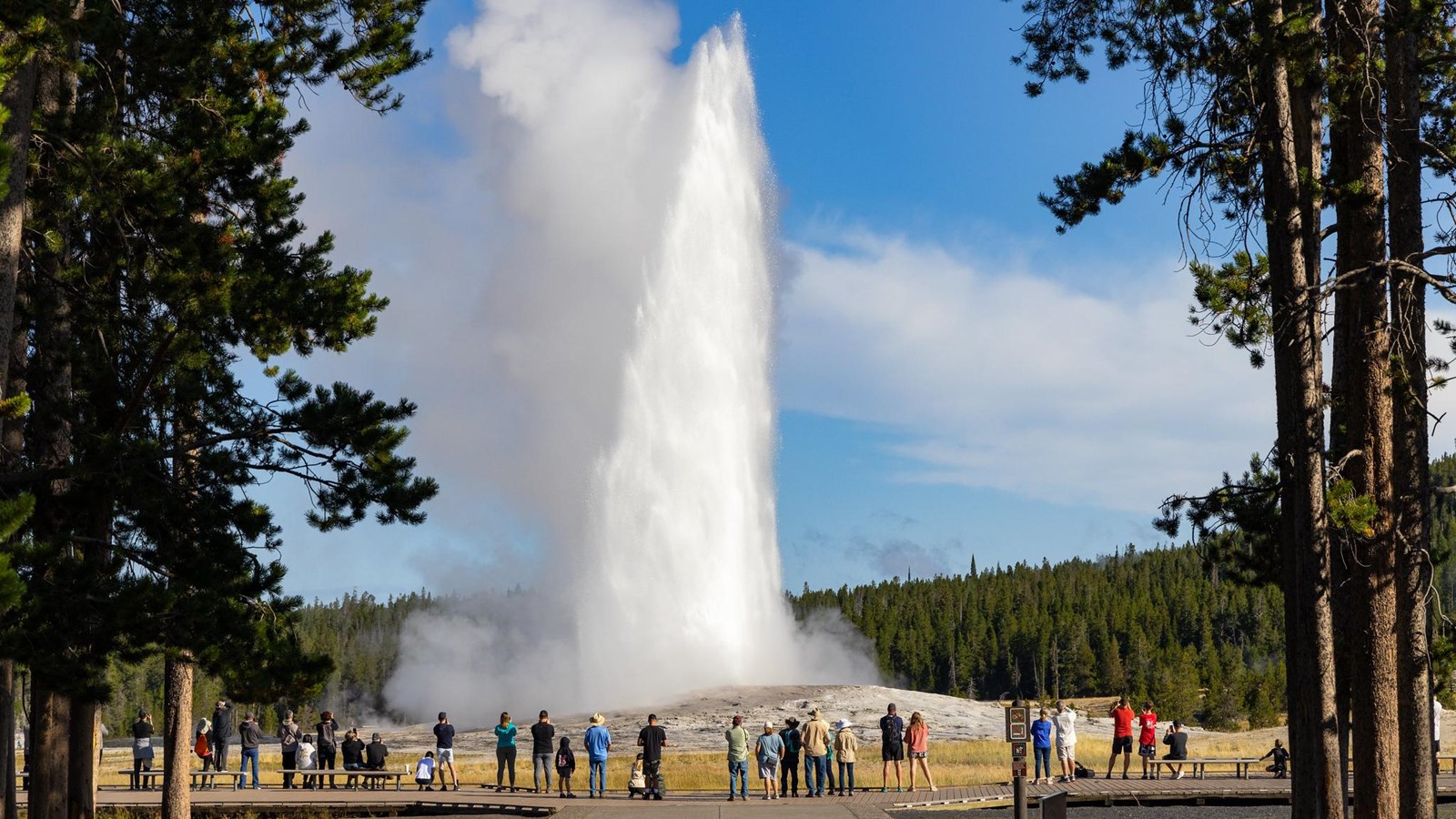
nps.gov (Old Faithful Geyser, U.S. National Park Service)
10. Yosemite National Park (California)
Standard entrance: $35 per vehicle or $20 per person/motorcycle (reservations often required). For residents: Unaltered. For non-residents: +$100 per person. Official website: www.nps.gov/yose
Fun episode: Yosemite’s Half Dome challenged climbers like George Anderson in 1875, who hammered spikes barefoot. Ansel Adams’ photos immortalized its waterfalls, and one foggy day, a bear “stole” a picnic, leading to the park’s famous food-storage rules—now a hilarious rite of passage.
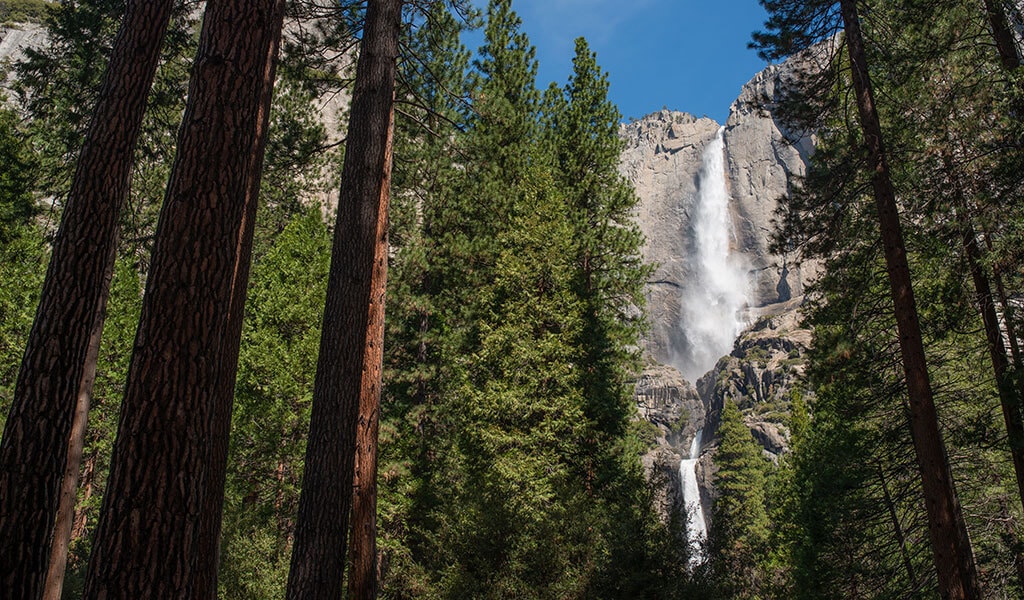
yosemite.com (Yosemite Waterfalls in Spring | Tips for Hiking Safely)
11. Zion National Park (Utah)
Standard entrance: $35 per vehicle or $20 per person/motorcycle. For residents: Standard fees. For non-residents: Surcharge in effect. Official website: www.nps.gov/zion
Fun episode: Zion’s slot canyons hid Mormon settlers in the 1800s, naming it after a biblical sanctuary. The Angels Landing hike, with its chain-assisted cliffs, once saw a proposal mid-trail—heart-pounding views make every step an adventure, especially when bighorn sheep photobomb your summit selfie.
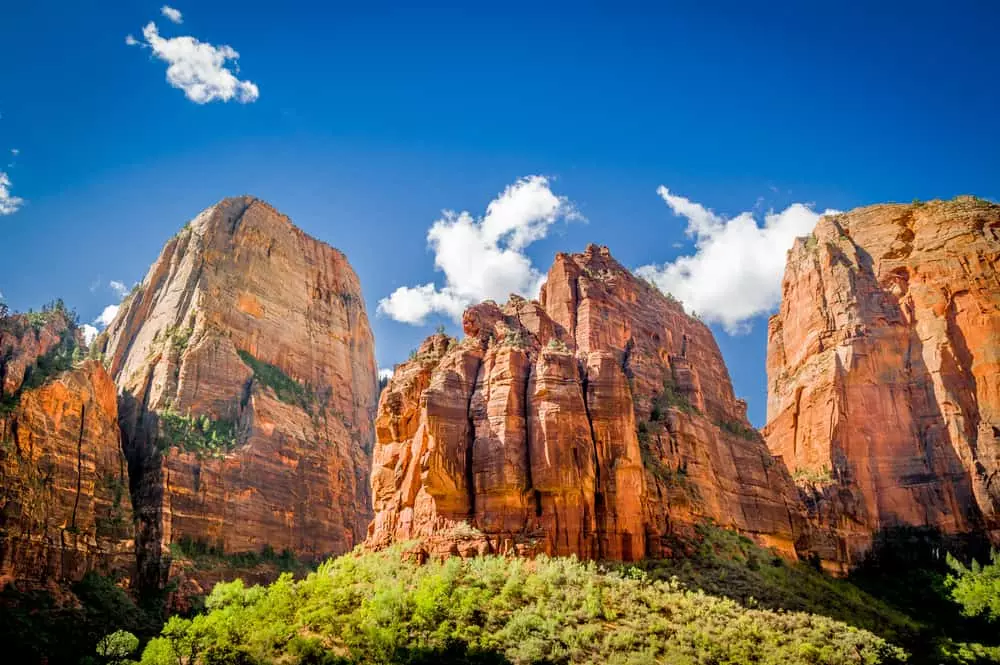
stgeorgeutahvacationrentals.com (4 Best Ways to Explore the Beauty of Zion National Park)
Tips for a Seamless Visit
Plan ahead via Recreation.gov for passes and reservations. Non-residents: Consider the $250 annual pass if visiting multiple sites—it’s a steal compared to per-park surcharges. Residents: Renew early to avoid lines. These changes fund trail repairs and wildlife protection, ensuring these treasures last for generations.