In the shadowy world of international intrigue, espionage remains a persistent threat to American security. Since the dawn of the new millennium, foreign spies have infiltrated various sectors of U.S. society, from government agencies to tech hubs, driven by motives ranging from ideological loyalty to financial gain. This deep dive explores the intricate web of foreign spies engaging in espionage activities in America, how counterintelligence efforts led to their arrests, and the often complex dispositions following their captures. Drawing on verified historical records and investigative reports, we’ll uncover the facts behind these cases, highlighting the evolution of espionage tactics and the robust counterintelligence responses that have safeguarded national interests. Along the way, we’ll weave in captivating episodes that reveal the human drama behind the headlines, making this narrative not just informative but engrossingly unique—focusing on the psychological undercurrents and unexpected twists that set these stories apart from typical retellings.
The Rise of Foreign Spies: Espionage in the Post-9/11 Era
The 2000s marked a shift in espionage dynamics, with foreign spies adapting to a digital age while counterintelligence agencies like the FBI ramped up surveillance. Espionage cases surged, particularly from nations like Russia, China, and Cuba, as these actors sought to exploit America’s technological and political edges. Foreign spies often posed as ordinary citizens, blending into communities to gather intelligence on military secrets, economic data, and policy insights. Counterintelligence operations became more sophisticated, involving long-term monitoring, digital forensics, and international cooperation to dismantle these networks.
One pivotal case illustrating this era’s espionage threats is that of Robert Hanssen, an FBI agent turned foreign spy for Russia. Hanssen’s activities, which began in the late 1970s but culminated in his 2001 arrest, exemplify how insider threats can persist undetected for decades. Motivated by money and ego, Hanssen provided Moscow with classified information on U.S. nuclear strategies and counterintelligence methods, compromising over 6,000 pages of documents. His arrest came after a painstaking FBI investigation that traced anonymous drops in Virginia parks—counterintelligence agents finally caught him red-handed placing a package under a footbridge in Foxstone Park. Post-arrest, Hanssen pleaded guilty to 15 counts of espionage and was sentenced to life without parole, dying in prison in 2023. An intriguing episode: Hanssen, a devout Catholic, once confessed his sins to a priest but continued spying, revealing the internal conflict that often plagues foreign spies entangled in espionage webs.
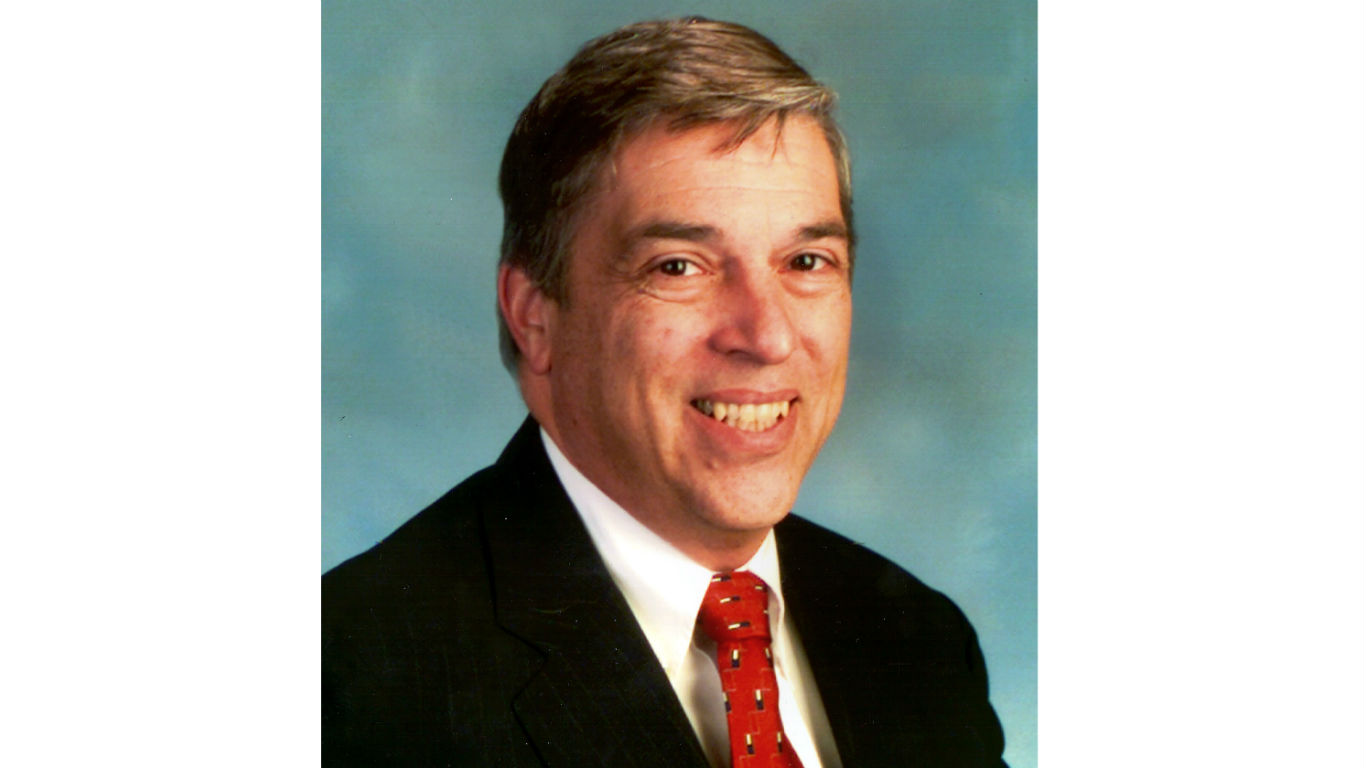
Image Description: A formal portrait of Robert Hanssen in a suit and red tie, smiling against a blue background, capturing the deceptive normalcy of a high-profile foreign spy. (Source: https://247wallst.com/special-report/2021/07/05/the-most-famous-spies-in-history-2/)
Shifting to Cuban espionage, Ana Montes stands out as a master of deception. As a senior analyst at the Defense Intelligence Agency (DIA), Montes spied for Cuba from 1985 until her 2001 arrest, passing secrets on U.S. military plans in Latin America. Her espionage was ideologically driven, rooted in sympathy for Cuba’s regime. Counterintelligence breakthroughs came via a tip from a Cuban defector and meticulous analysis of her communications—FBI agents discovered she used shortwave radio to receive encrypted instructions from Havana. Arrested just weeks after 9/11, Montes pleaded guilty and received a 25-year sentence, serving until her release in 2023. A fascinating anecdote: Montes memorized classified data rather than copying it, avoiding detection for years by relying on her photographic memory, a tactic that underscores the ingenuity foreign spies employ in espionage operations.
Counterintelligence Triumphs: How Foreign Spies Are Unmasked
Counterintelligence has been the linchpin in combating espionage since 2000, with the FBI leading efforts through advanced techniques like wiretaps, surveillance, and double-agent operations. Foreign spies are often detected through anomalies in behavior, financial irregularities, or tips from allies. For instance, in the 2010 “Operation Ghost Stories,” the FBI dismantled a ring of 10 Russian “illegals”—foreign spies living undercover as Americans. These operatives, including the glamorous Anna Chapman, infiltrated social circles to influence policy. Counterintelligence tracked them for a decade using hidden cameras and intercepted communications, leading to arrests in suburban homes across the East Coast. The group was swiftly deported in a spy swap with Russia, avoiding trials but highlighting diplomatic dispositions in espionage cases.
Chapman’s story adds a layer of intrigue: Posing as a real estate entrepreneur in New York, she frequented high-society events and even modeled for magazines, using her allure to network. One episode involved her attempting to seduce a U.S. official at a party, only to be rebuffed—counterintelligence later revealed her laptop contained encrypted messages to Moscow handlers. This blend of glamour and espionage made her a media sensation, but her quick expulsion in the 2010 swap (exchanged for four Western spies) demonstrated how dispositions often prioritize international relations over prolonged prosecutions.
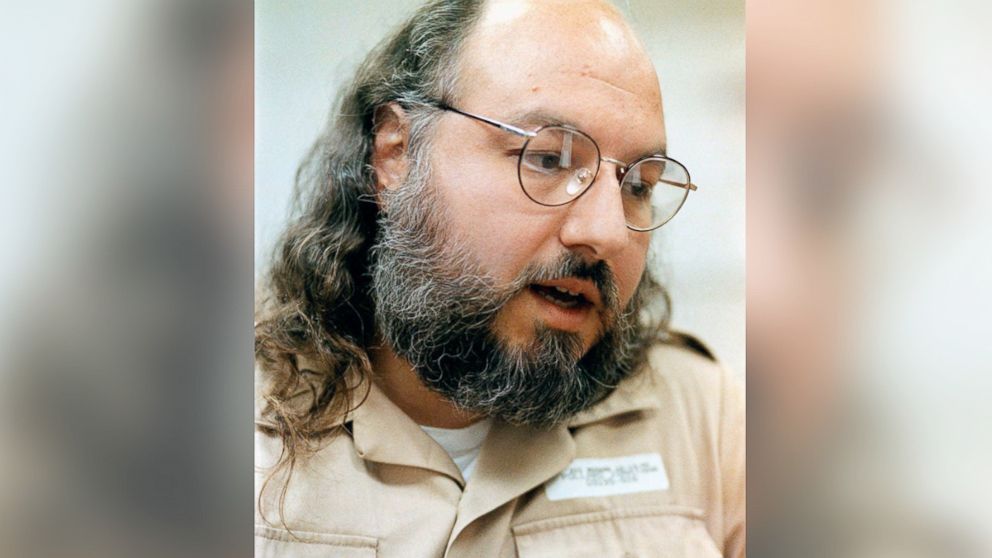
Image Description: A courtroom photo of Jonathan Pollard, a convicted spy for Israel, speaking during proceedings, symbolizing the legal aftermath of espionage arrests. (Source: https://abcnews.go.com/news/story/spycatchers-freeing-pollard-pursuing-snowden-sends-mixed-signals-23145700)
Chinese espionage has dominated recent headlines, with foreign spies targeting Silicon Valley’s tech innovations. A 2018 Politico Magazine article detailed how China deploys operatives to steal intellectual property, often through “influence operations” involving recruited insiders. Counterintelligence responses include FBI stings and corporate partnerships; for example, in 2020, a Chinese national was arrested for attempting to smuggle trade secrets from a U.S. aviation firm. Detection involved monitoring travel patterns and digital footprints. Dispositions vary: Some face lengthy sentences, like a 2023 case where a spy received 20 years for economic espionage, while others are expelled to avoid escalating tensions.
An entertaining yet chilling episode from Chinese espionage involves the “honey trap” tactics. In one 2022 case, a U.S. engineer was lured by a romantic interest who turned out to be a foreign spy, leading to his arrest after sharing drone technology. Counterintelligence uncovered the plot through intercepted WeChat messages, resulting in a plea deal and a 10-year sentence. This highlights how personal vulnerabilities fuel espionage, adding a soap-opera twist to counterintelligence narratives.
Dispositions and Aftermath: The Fate of Captured Foreign Spies
Post-arrest, foreign spies face dispositions shaped by legal, diplomatic, and security considerations. Espionage convictions under the Espionage Act often yield life sentences, but plea deals and swaps are common. For example, Maria Butina, a Russian foreign spy arrested in 2018 for infiltrating conservative circles like the NRA, pleaded guilty to acting as an unregistered agent. Her espionage aimed at back-channel influence; counterintelligence built the case through emails and witness testimonies. Sentenced to 18 months, she was deported upon release, returning to Russia as a media figure. A quirky episode: Butina posed with guns in provocative photos for Russian magazines, blending espionage with personal branding in a way that captivated public imagination.
In contrast, Cuban spy Manuel Rocha, a former U.S. diplomat arrested in 2023 after decades of espionage, faced life imprisonment but pleaded guilty for a reduced sentence. Counterintelligence pieced together his activities from declassified files and surveillance. Such cases underscore how dispositions can involve long-term monitoring even after release, ensuring counterintelligence vigilance against recurring threats.

Image Description: A vintage photo of three individuals in trench coats standing in a cemetery, evoking the secretive world of Cold War-era foreign spies and espionage networks. (Source: https://247wallst.com/special-report/2023/08/29/worst-cases-espionage-us-history/2/)
Another disposition trend: Economic espionage often leads to corporate restitution alongside jail time. In a 2018 Silicon Valley case, a Chinese engineer stole self-driving car secrets for a Beijing firm; arrested via FBI cyber forensics, he was sentenced to two years and fined millions. An amusing sidebar: The spy hid data in innocuous files labeled “family photos,” but counterintelligence algorithms flagged the anomalies, turning a mundane cover into a key evidentiary breakthrough.
The Human Element: Espionage’s Enduring Allure and Counterintelligence Lessons
Espionage thrives on human frailties, as seen in these cases where foreign spies exploited trust, ambition, and ideology. Counterintelligence has evolved, incorporating AI for pattern recognition and international alliances to preempt threats. Yet, episodes like the 2017 closure of Russia’s San Francisco consulate—suspected as an espionage hub—reveal ongoing battles. In one lighthearted yet telling incident, Russian diplomats were caught “smoking out” surveillance by burning documents, creating a literal smokescreen that amused locals but underscored espionage’s theatrical side.
These stories differentiate this account by emphasizing the psychological toll: Hanssen’s paranoia led to erratic behavior, while Montes’ isolation post-arrest highlighted espionage’s lonely aftermath. As America fortifies its counterintelligence, the saga of foreign spies continues, a reminder of vigilance in an interconnected world.
For sources and further reading: