In the evolving landscape of online communities, Discord Age Verification has emerged as a pivotal shift, sparking widespread User Migration and sparking interest in Platform Alternatives. This policy, aimed at enhancing safety, has reshaped how millions interact, prompting a deeper look into Discord’s roots, the motivations behind it, where users are heading, and what lies ahead.
Unveiling Discord: From Gaming Roots to Global Phenomenon Amid Discord Age Verification
Discord, founded in 2015 by Jason Citron and Stanislav Vishnevskiy, started as a humble voice chat tool for gamers frustrated with existing options like TeamSpeak. Citron, fresh from selling his mobile gaming platform OpenFeint for $104 million, pivoted his studio Hammer & Chisel from a failed MOBA game called Fates Forever to focus on communication. The in-game chat feature was the breakout hit, leading to Discord’s launch as a free, low-latency app that blended voice, video, and text.
By 2023, Discord boasted over 140 million monthly active users, generating $220 million in revenue, though it remained unprofitable. Valued at $15 billion, it expanded beyond gaming into education, music, and social clubs. An amusing early episode: during the pandemic, Discord’s servers crashed under the weight of users hosting virtual trivia nights and study groups, turning it into an unintended lifeline for remote connections. One viral story involved a group of elderly book club members accidentally joining a Minecraft server, leading to wholesome intergenerational chats that went viral on X (formerly Twitter).
Today, amid Discord Age Verification, the platform serves as a hub for over 200 million people, with features like servers, channels, and bots. Its mascot, the friendly blue alien Clyde, symbolizes its playful ethos, but recent changes have tested user loyalty, fueling User Migration to Platform Alternatives.
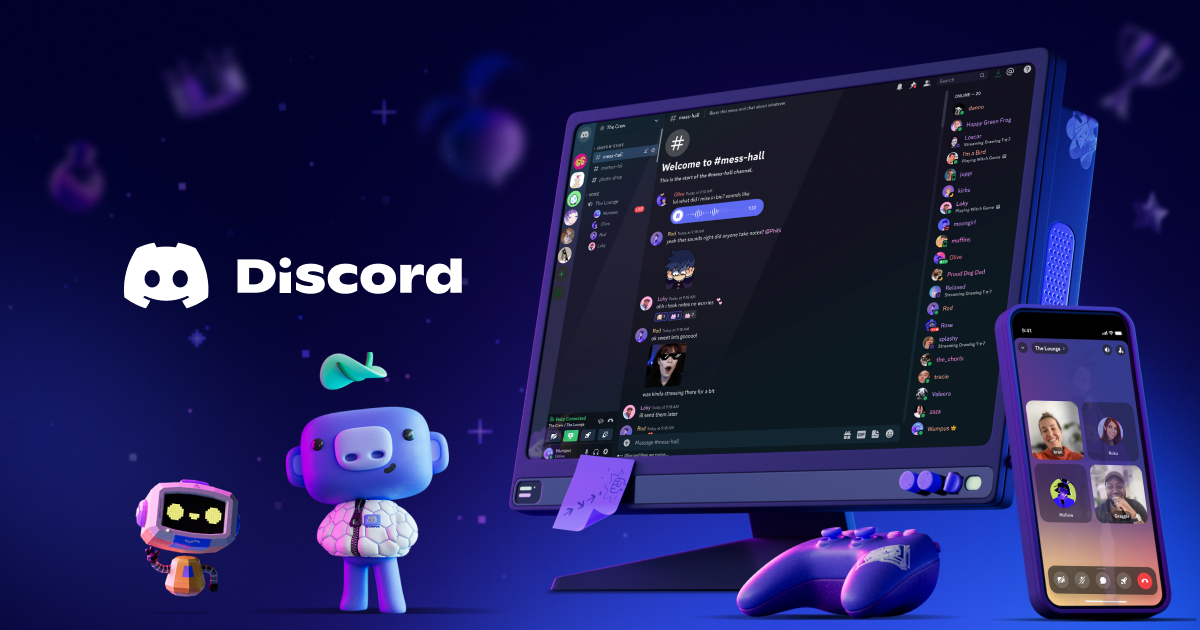
(Image Description: A vibrant illustration of Discord’s logo alongside its desktop and mobile interfaces, showcasing chat channels and user interactions in a cosmic-themed background, highlighting the platform’s fun, community-driven design.)
The Drive Behind Discord Age Verification: Regulations, Safety, and a Data Breach Backstory
Discord Age Verification stems from global pressures to protect minors, amplified by laws like the UK’s Online Safety Act and Australia’s similar mandates. Starting in the UK and Australia in 2025, Discord rolled out requirements for users to submit video selfies or government IDs to access adult content. By early 2026, this expanded globally, defaulting all accounts to “teen-by-default” settings unless verified as adults. Unverified users face restrictions: blurred sensitive images, blocked age-gated servers, filtered DMs, and no participation in stage channels.
The background? Rising concerns over child safety online, with lawmakers pushing for age checks to comply with COPPA in the US and equivalent EU regulations. Discord’s move aligns with a wave of platforms adopting similar measures, driven by breaches and scrutiny. A chilling episode: in October 2025, a third-party vendor breach exposed 70,000 users’ IDs and selfies, just months before the global rollout announcement. Hackers posted samples online, underscoring privacy risks. Ironically, users in early tests bypassed checks using creative hacks, like Death Stranding’s photo mode to fake IDs—Discord patched it quickly, but it highlighted the cat-and-mouse game of enforcement.
Discord emphasizes privacy: facial scans process on-device, IDs are deleted post-verification, and an “age inference model” uses behavior data to auto-verify some adults without prompts. Yet, backlash on X reveals fears of surveillance and data leaks, with posts like one user joking, “Discord’s turning into Big Brother with a side of Clyde.” This has accelerated User Migration, as communities seek Platform Alternatives free from such mandates.
User Migration Trends: Where Discord Refugees Are Flocking Amid Discord Age Verification
As Discord Age Verification rolls out in March 2026, User Migration is rampant, with communities citing privacy concerns and restrictions. X posts show gamers and creators leaving in droves, one humorous anecdote: a UK user got banned after the AI mistook their selfie for under-13, despite being 30—they quipped, “Discord thinks I’m a time traveler!” Popular destinations include Guilded, Telegram, and Matrix, based on 2024-2026 trends.
Guilded tops the list for gamers, offering Discord-like servers with extras like calendars and tournaments—completely free, no nitro needed. Acquired by Roblox in 2021, it’s seen a 30% user spike post-Discord announcements. Telegram appeals for its privacy focus, with channels supporting millions and end-to-end encryption. A fun episode: during the 2025 crypto boom, Telegram groups ballooned as Discord users migrated for bot-heavy trading chats.
Open-source options like Matrix and Element attract privacy enthusiasts, allowing self-hosted servers without central control. TeamSpeak, a veteran VoIP tool, remains lag-free for pros, used in esports. Other mentions: Revolt for its Discord clone interface, and Signal for secure messaging. Reddit threads highlight hybrid migrations, like combining Steam Chat for gaming with Slack for work. Overall, User Migration favors Platform Alternatives emphasizing decentralization and no ID checks, potentially fragmenting communities but fostering innovation.
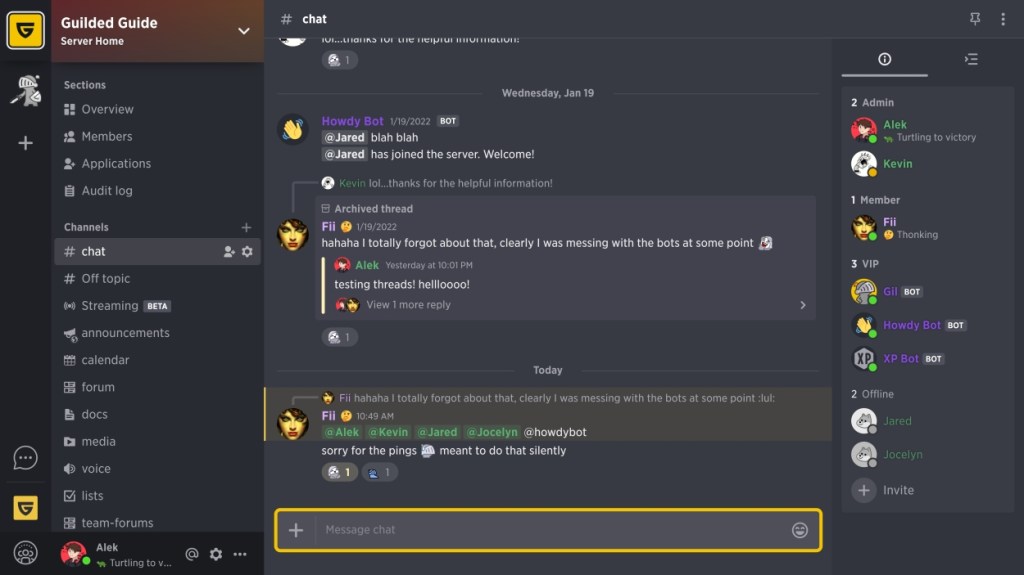
(Image Description: Screenshot of Guilded’s interface showing chat channels, user lists, and bots, resembling Discord but with added features like calendars, illustrating a seamless alternative for migrating users.)
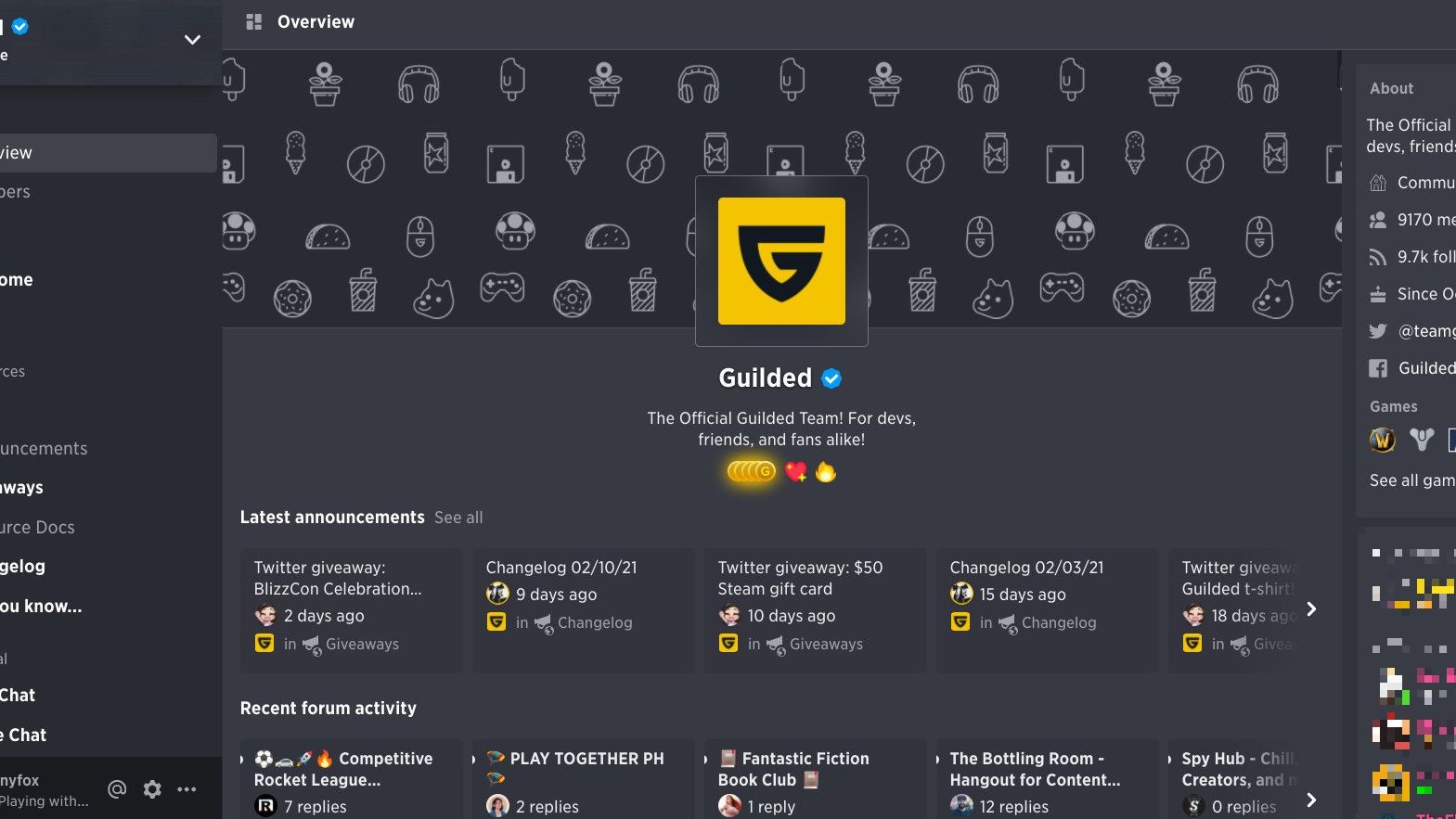
(Image Description: Guilded’s overview page with announcements, forums, and giveaways, capturing its community-focused design as a strong contender in User Migration from Discord.)
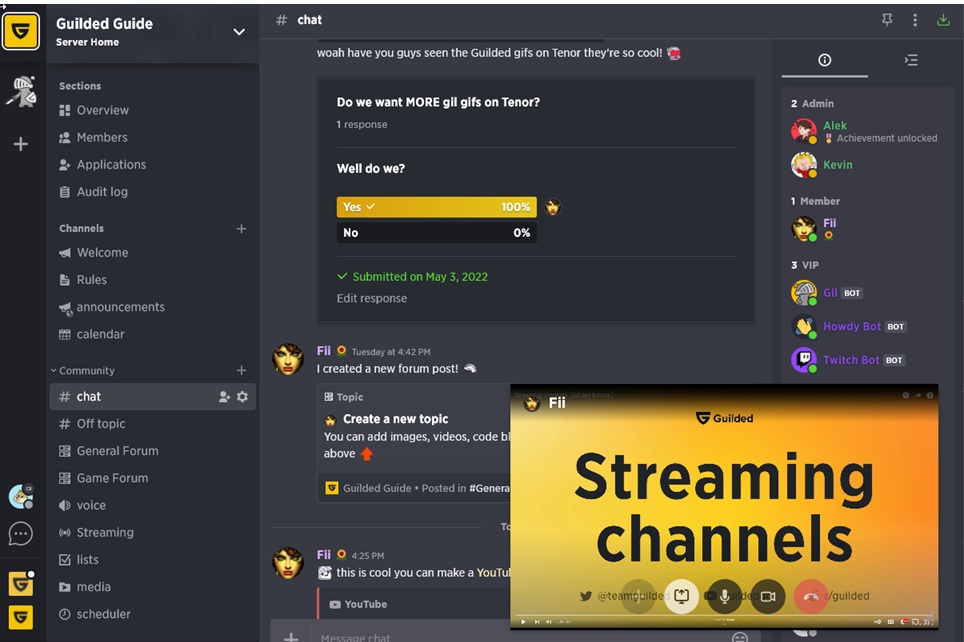
(Image Description: Guilded chat with polls, streams, and forums integrated, demonstrating enhanced tools that draw users seeking Platform Alternatives amid Discord Age Verification.)
Envisioning the Horizon: Discord’s Future Post-Discord Age Verification and User Migration
Looking ahead, Discord Age Verification could solidify its safety credentials, potentially regaining trust through features like enhanced moderation and teen protections. However, User Migration risks eroding its user base—analysts predict a 10-15% drop if privacy fears persist, echoing Pornhub’s state exits over similar laws. A lighter episode: Discord’s 2025 April Fools’ “Clyde AI Overlord” prank, where the bot “took over” servers, foreshadowed AI’s role in age inference, now a real feature.
Platform Alternatives may thrive, with Guilded positioning as a “Discord 2.0” and Telegram expanding bots. Discord might pivot to monetization via premium bots or ads, aiming for profitability by 2027. Yet, if breaches continue—like the 1.6TB hack in 2025—User Migration could accelerate, forcing Discord to innovate or face decline. Ultimately, the future hinges on balancing safety with freedom, as communities adapt to this new era.

(Image Description: Humorous meme depicting the Grim Reaper approaching “My Singing Monsters” after “killing” Roblox and Minecraft via age verification, satirizing the policy’s potential impact on platforms.)

(Image Description: Cartoon robot with a red eye in a surveillance-themed space background, symbolizing the “Big Brother” fears tied to Discord Age Verification and User Migration.)
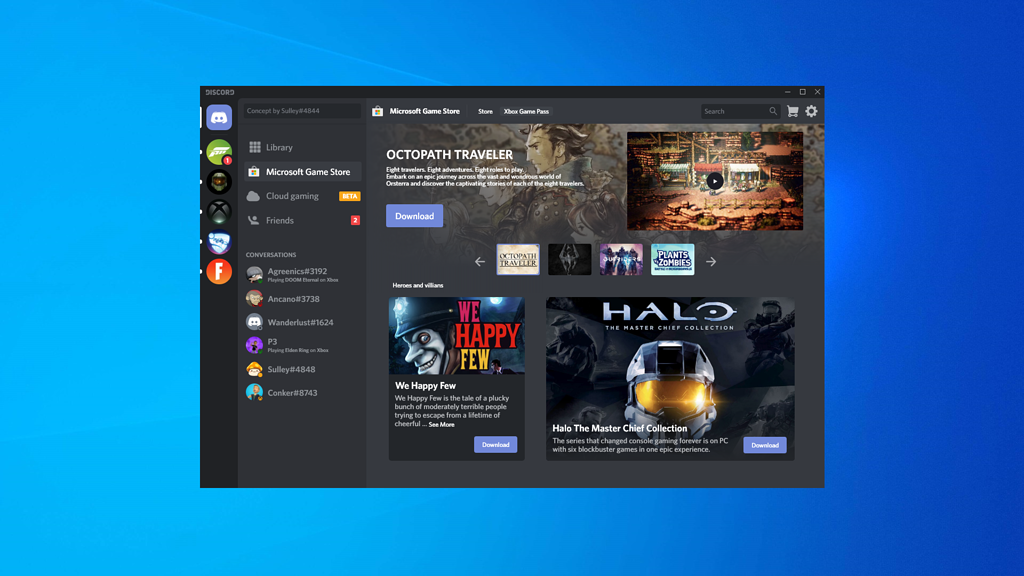
(Image Description: Concept art integrating Microsoft Game Store into Discord’s interface, envisioning a unified gaming hub as a potential future evolution amid Platform Alternatives.)
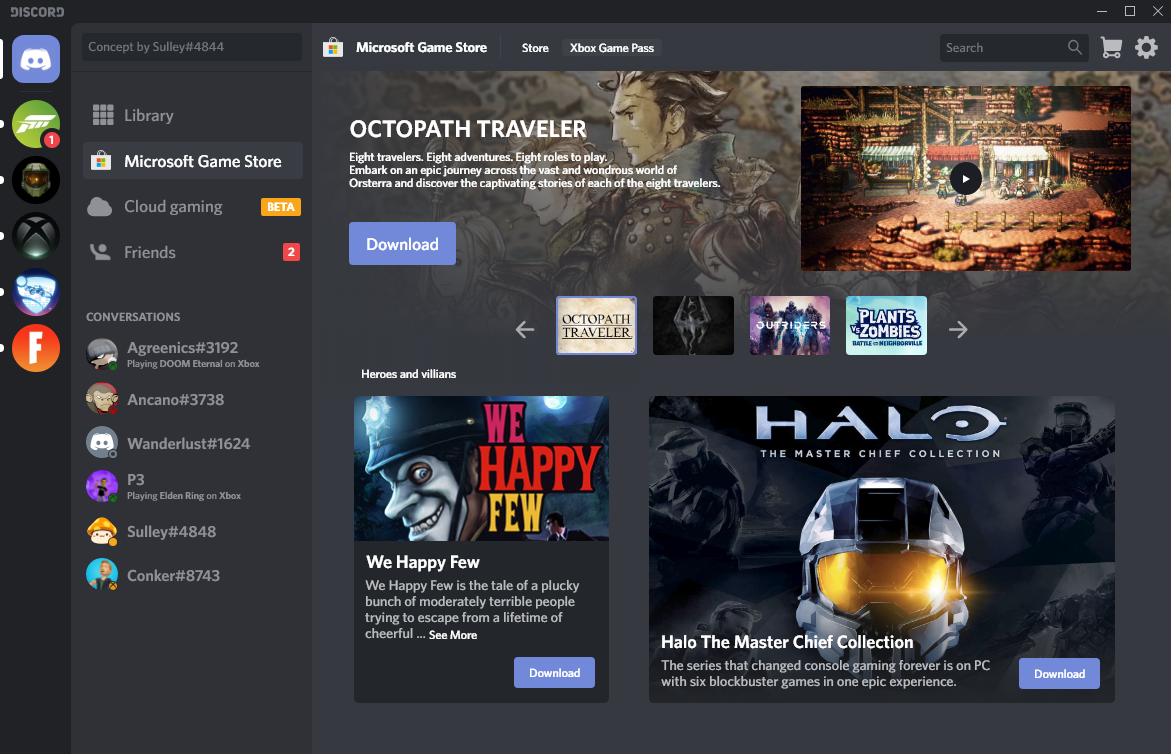
(Image Description: Another mockup of Discord fused with Microsoft services, showing game downloads and chats, pondering the platform’s trajectory post-Discord Age Verification.)
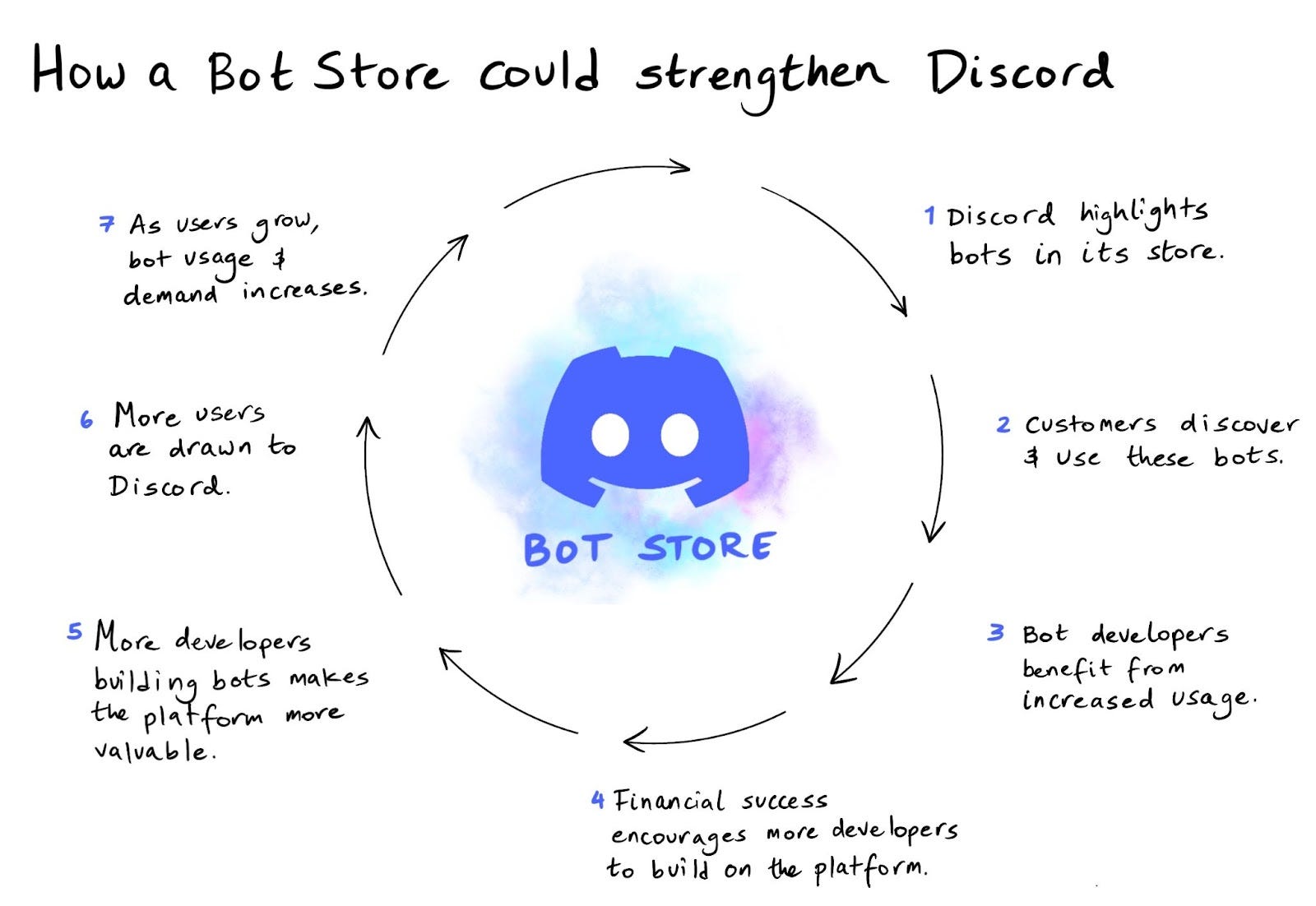
(Image Description: Diagram illustrating how a Bot Store could enhance Discord’s ecosystem, with cycles of user growth and developer incentives, offering a forward-looking strategy.)